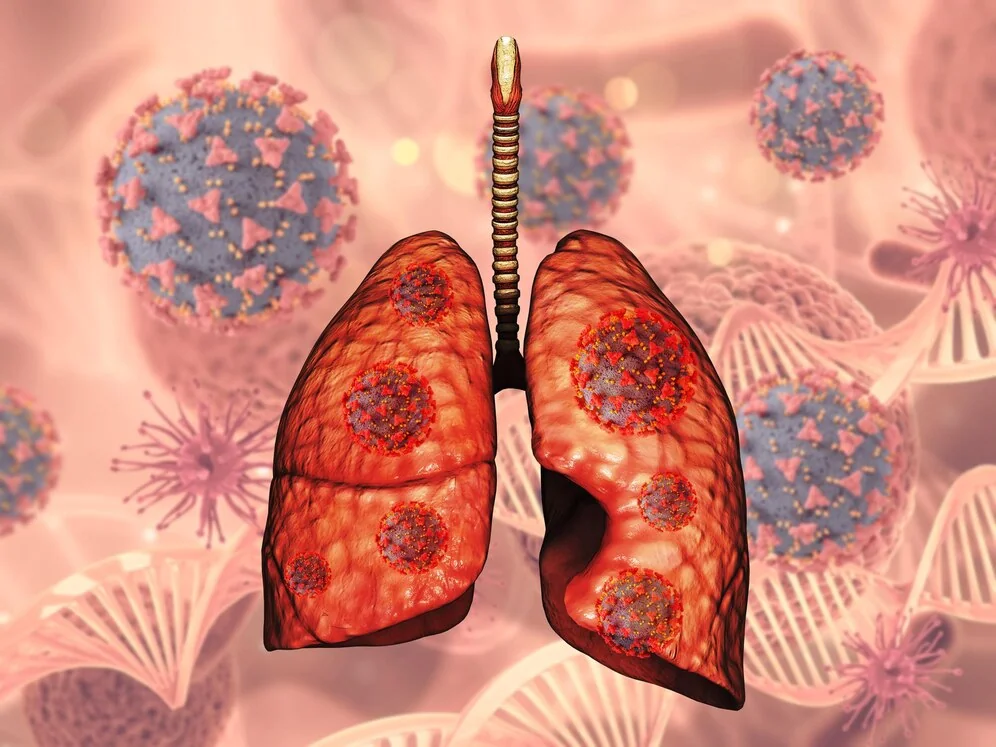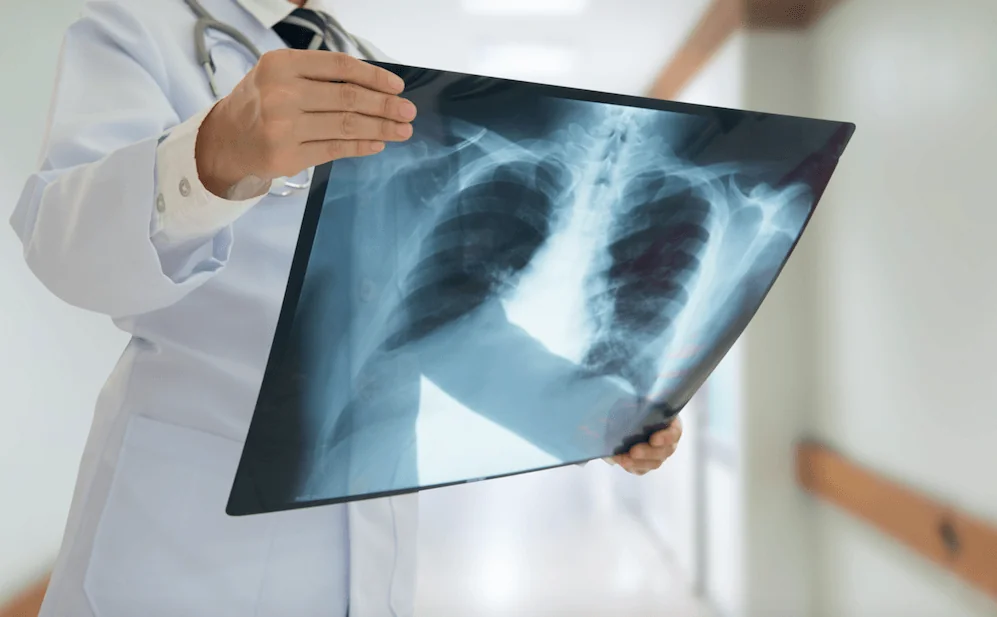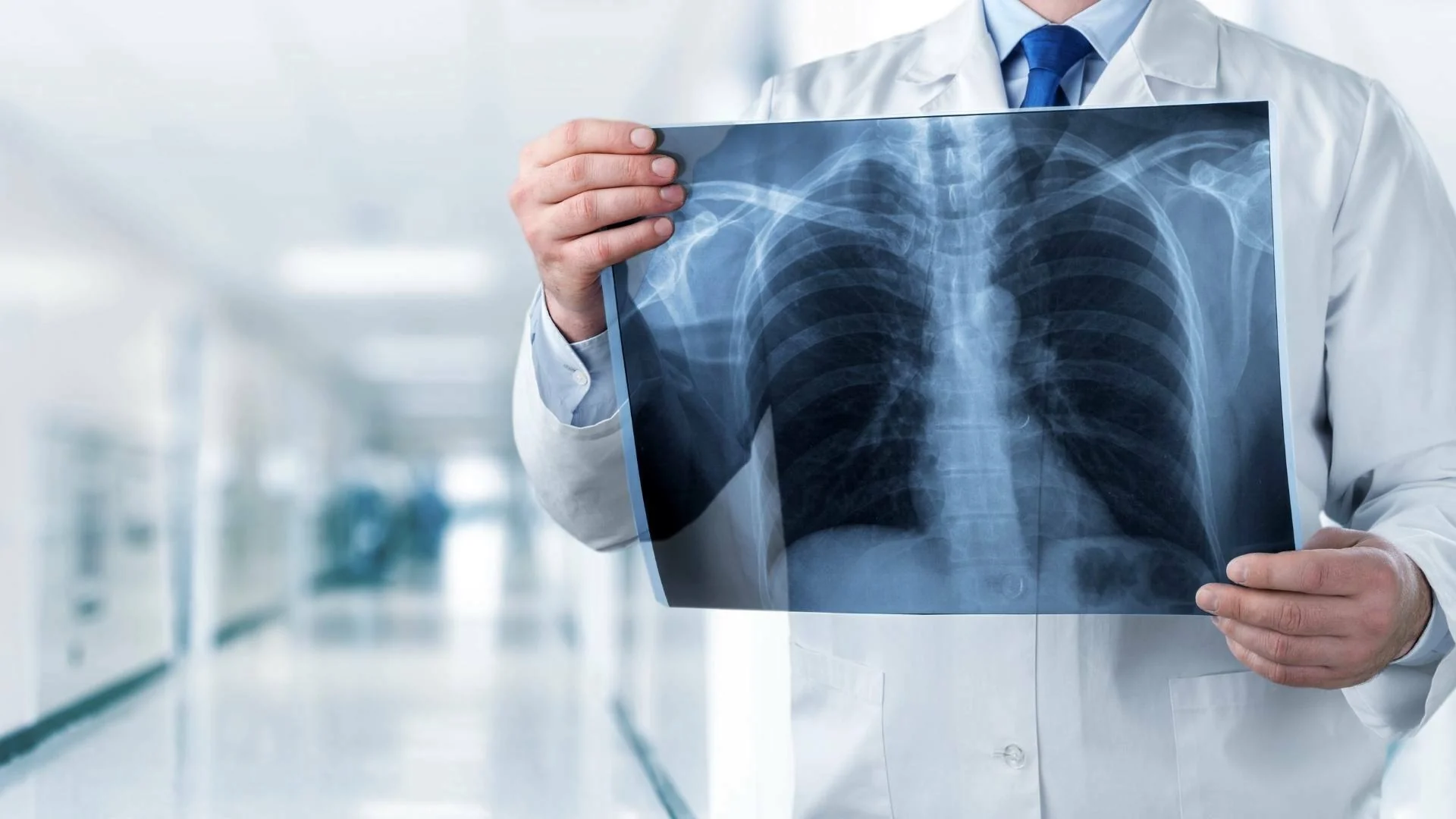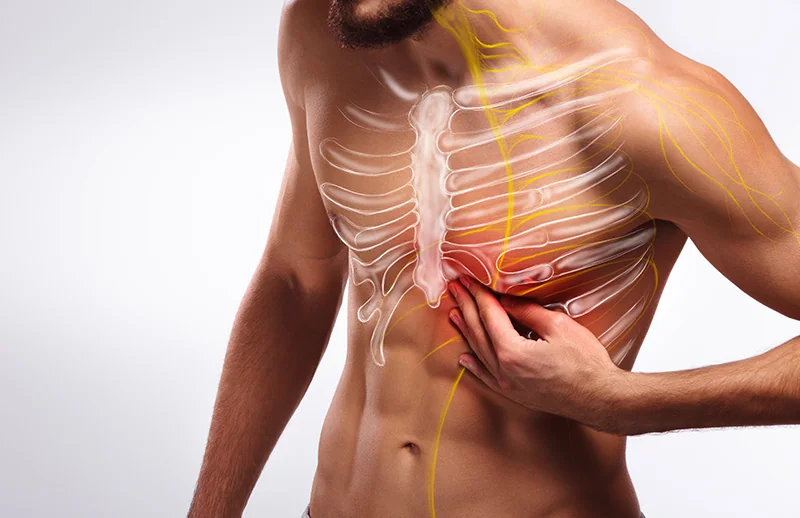
Can Lung Cancer Be Treated When You Have Lung Fibrosis?
How does lung fibrosis affect cancer treatment? Understanding assessment, tumour board discussion and individual treatment options.

How does lung fibrosis affect cancer treatment? Understanding assessment, tumour board discussion and individual treatment options.
A study I co-authored explores what pathology findings after early-stage lung cancer surgery may mean.
Our study of 480 patients explores what STAS in a pathology report may mean for assessment, treatment discussions and follow-up after lung cancer surgery.
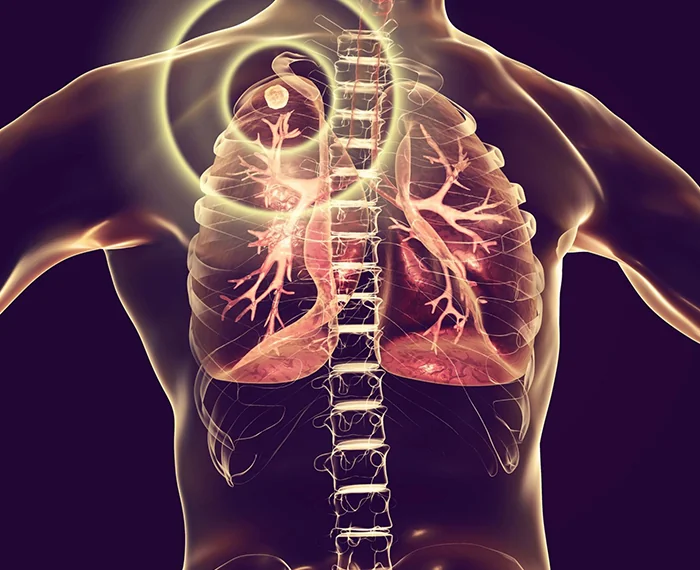
What does a ground-glass lung nodule mean? Understand follow-up, growth, solid components and when a biopsy or surgery may be considered.
A biopsy may be needed to investigate a suspicious lung mass, nodule or lesion. Image-guided needle biopsy takes tissue without a surgical incision. Here is what happens while the sample is examined and what the results may mean.
A lung needle biopsy can help diagnose an abnormal lung mass or nodule. Although less invasive than surgery, it carries risks, particularly an air leak around the lung and bleeding. Understanding these risks helps patients prepare and recognise symptoms that need medical attention.
Mediastinal Masses: 7 Questions About Symptoms, Diagnosis and Treatment — Information about assessment, treatment and individual follow-up.
After Mediastinal Mass Surgery: 6 Steps for Recovery and Home Care — Information about assessment, treatment and individual follow-up.
Mediastinal masses develop between the lungs, near vital structures such as the heart, major vessels, windpipe and oesophagus. They may be benign or malignant. Preparation for surgery involves identifying the mass and assessing the patient's individual risks.
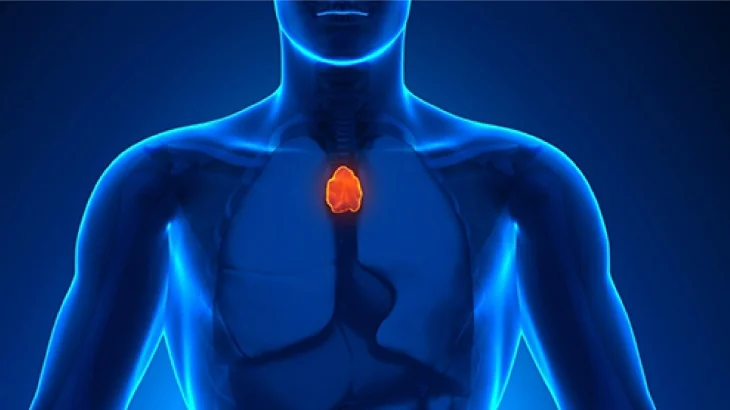
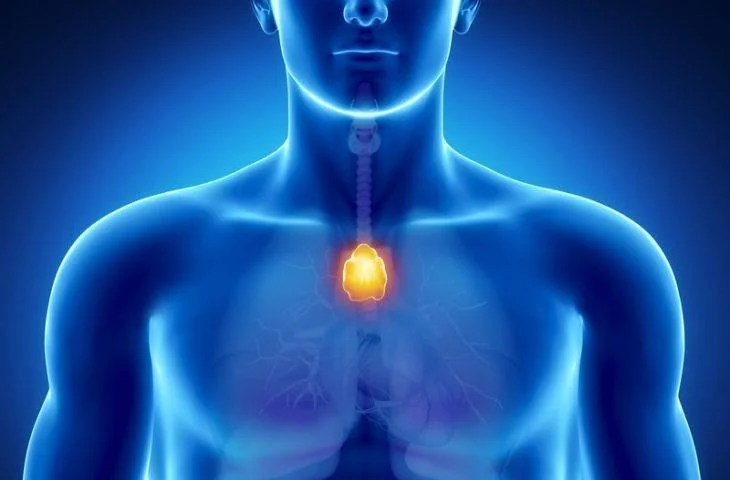
The thymus lies behind the breastbone and helps immune cells called T cells develop. Removing it may be considered for selected patients with myasthenia gravis or a thymic tumour. This guide explains how age, disease duration and the underlying diagnosis influence the decision.
The thymus is a small organ behind the breastbone that helps the immune system develop early in life. Surgery to remove it, called thymectomy, may be used for thymoma or selected people with myasthenia gravis. Its benefits can develop gradually.
Myasthenia gravis (MG) is an autoimmune disease that causes muscle weakness and fatigue and can substantially affect quality of life. The immune system attacks healthy structures involved in communication between nerves and muscles. Medicines are important, but for selected patients thymectomy can be a major step towards lasting improvement…
Compensatory sweating can affect the back, chest or abdomen after ETS. Learn why this risk, alternatives and informed decisions matter.
Recurrence risk and surgical decisions after a collapsed lung depend on symptoms, air leakage, previous episodes and the individual patient’s priorities.
Pneumothorax occurs when air enters the space between the lung and chest wall and can cause sudden pain and breathlessness. Learn about its causes, treatment and practical precautions, including stopping smoking. General healthy habits do not all have a proven direct effect on pneumothorax risk.
Pneumothorax, often called a collapsed lung, can unexpectedly affect otherwise healthy young people. Air collects around the lung and may cause sudden chest pain or breathlessness. Understanding risk factors and symptoms helps people seek appropriate care.
The pleura is the thin lining around the lungs and inside the chest wall. Infection can inflame it or cause fluid to collect. This guide explains eight related conditions, including where an infection link is uncommon or unproven.
Pleural Disorders: 10 Risk Factors, Prevention and Treatment — Information about assessment, treatment and individual follow-up.
Lung hydatid disease is a parasitic infection that may grow quietly before causing symptoms. This guide explains how it develops, how it is investigated and how treatment is planned individually.
Surgery may be considered alongside appropriate medicines for selected patients with drug-resistant tuberculosis or complications. These 11 suggestions explain practical ways to prepare for an operation and support recovery.
Tuberculosis is an infection caused by Mycobacterium tuberculosis. Medicines are the main treatment, but surgery may help selected patients with drug-resistant disease, permanent lung damage or serious complications.
Chest injuries can follow unexpected accidents and may be serious. Recognising symptoms helps people seek timely medical care. This article explains seven groups of warning signs, along with causes, investigations and treatment options.
Chest injuries can damage the ribs, lungs, heart or major blood vessels and may be life-threatening. Road accidents, falls, sport and violence are possible causes. Prompt assessment using examination and appropriate imaging helps identify breathing problems, bleeding and other complications.
Road accidents, falls, sport or workplace injuries can damage the chest wall, lungs, heart or major vessels. Recovery involves more than treating the initial injury. An individual rehabilitation plan can help restore breathing, manage pain and support a return to everyday life.
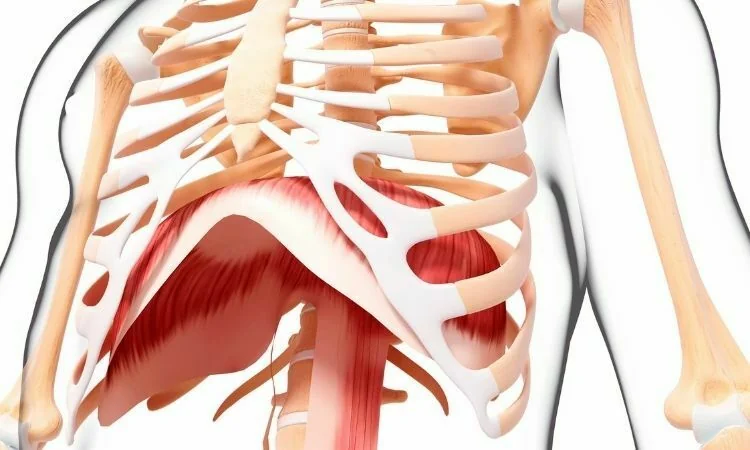
Difficulty breathing, chest discomfort or symptoms after meals may have several causes, including a diaphragmatic hernia. This guide explains assessment, surgical options and recovery, and why treatment needs to be tailored to the type of hernia and the individual patient.
A chest wall tumour is an abnormal growth affecting the rib cage and surrounding structures. It may arise from bone, muscle, connective tissue or fat. Breast lumps can occur close to the chest wall but are assessed according to their tissue of origin. Tumours may be benign or malignant.
Understand hospital stay, pain, chest drains and returning to work after VATS. Recovery depends on the operation and your general health.
Thoracic surgery includes operations for lung cancer, pneumothorax and other chest conditions. Recovery can be demanding, but an individual plan for nutrition, movement, pain control and follow-up can make it more manageable. These ten tips provide general information and do not promise a particular recovery speed.
Thoracic surgery may be lifesaving, but preparing for an operation can be physically and emotionally demanding. Information, emotional support and practical coping techniques can make the process more manageable. This guide explains five ways to prepare psychologically.