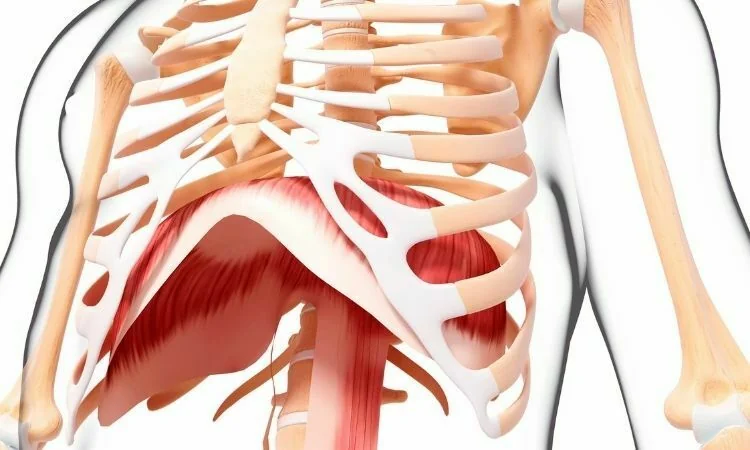
A diaphragmatic hernia occurs when an opening or weakness in the diaphragm allows organs from the abdomen to move into the thoracic (chest) cavity. The diaphragm is the large muscle separating the chest from the abdomen. It plays a major role in breathing and helps separate the abdominal organs from the chest. A defect in this muscle can allow abdominal organs to pass upwards, producing a diaphragmatic hernia.
Related videos and posts
The linked Instagram content is in Turkish.
For the broader clinical context, see Diaphragm Disorders.
Surgery repairs the anatomical defect when treatment is indicated. The operation depends on the size and type of hernia and the person's general health. This article explains diaphragmatic hernia surgery, the available approaches and recovery.
What Is a Diaphragmatic Hernia?
A diaphragmatic hernia allows abdominal organs, particularly the stomach, bowel or liver, to move through an opening in the diaphragm into the chest. It may result from a congenital defect, trauma or weakening around a natural opening. Raised abdominal pressure and age-related changes can contribute to some types, particularly hiatal hernias. There are two broad groups:
Congenital diaphragmatic hernia:
- A defect in the diaphragm is present at birth. It results from an abnormality during development.
Acquired diaphragmatic hernia:
- This develops later in life. Trauma may tear the diaphragm. For some other types, including hiatal hernia, factors such as chronic coughing, excess weight, physical strain and ageing may contribute. Conditions affecting the strength of the diaphragm can also be relevant.
Symptoms of a Diaphragmatic Hernia
Symptoms vary according to the size, location and organs involved. They may include:
- Chest pain: Displaced organs can cause pressure or discomfort in the chest.
- Difficulty breathing: Impaired diaphragm function or pressure on the lung can make breathing difficult.
- Nausea and vomiting: Displacement of the stomach or bowel may affect digestion.
- Abdominal fullness and bloating: Some patients experience a sensation of fullness.
- Gastro-oesophageal reflux disease (GORD): In hiatal hernia, stomach contents may flow back into the oesophagus, causing heartburn and reflux.
What Does Diaphragmatic Hernia Surgery Involve?
The operation returns the displaced organs to the abdomen and closes the opening in the diaphragm. Whether and when to operate depends on the type and size of hernia and the patient's health. The aim is to restore normal anatomy and prevent abdominal organs from entering the chest.
Surgical Approaches
The main approaches are:
1. Open Surgery
Open surgery may be selected for large or complex hernias. The surgeon makes an incision in the abdomen or, in selected cases, the chest. The organs are returned to their normal position and the defect is usually closed with sutures, with reinforcement when required.
Advantages:
- It can be suitable for large or complex defects.
- It provides direct surgical access.
Disadvantages:
- A larger incision can mean a longer recovery.
- Wound infection risk may be greater than with a small-incision approach.
2. Laparoscopic Surgery (Minimally Invasive Surgery)
Laparoscopic repair is widely used for appropriate hernias. The surgeon operates through small abdominal incisions using a camera called a laparoscope. Smaller incisions may help recovery and reduce some complications.
Advantages:
- Recovery is often shorter because the incisions are smaller.
- Pain and bleeding may be reduced.
- Scars are generally smaller.
Disadvantages:
- Some large or complex defects may require a different approach.
- The operation can be technically demanding and requires experience.
3. Thoracoscopic Surgery
Thoracoscopic repair is a minimally invasive approach through the chest. A camera and instruments are introduced through small chest incisions to close the diaphragmatic defect.
Advantages:
- It provides access from the chest side of the diaphragm, close to the lung and other chest structures.
- The small-incision approach can help recovery.
Disadvantages:
- It requires specific expertise and is not appropriate for every hernia or every patient.
Risks and Complications
As with any operation, complications can occur:
- Infection: A surgical infection may need antibiotics and sometimes further treatment.
- Bleeding: Bleeding can occur during repair and is treated by the surgical team.
- Wound-healing problems: Larger open incisions can take longer to heal and leave more noticeable scars.
- Recurrence: A hernia may return, particularly with large or difficult defects; the strength of the repair is one of several factors.
- Breathing problems: Temporary respiratory difficulties may occur after surgery.
Recovery
Recovery depends on the operation and general health. It is often shorter after laparoscopic repair. Light activities may be resumed relatively early if the surgical team agrees, but a return to full activity takes longer. Open surgery may require a longer recovery.
Patients usually spend a few days in hospital for observation. Pain relief, temporary activity restrictions and breathing exercises may form part of recovery.
Sources and further reading
These resources provide general background on this topic; they do not replace an individual medical assessment.