Mesothelioma is a rare but serious cancer, usually affecting the pleura around the lungs or the peritoneum in the abdomen. It is often linked to asbestos exposure. Early symptoms may be vague, so diagnosis frequently occurs after the disease has progressed. The role of surgery depends on the cancer type and stage, the person’s health, other treatment options and current evidence. This article explains the procedures, patient selection and possible complications.
Related videos and posts
The linked Instagram content is in Turkish.
For the broader clinical context, see Pleural Disorders.
What Is Mesothelioma?
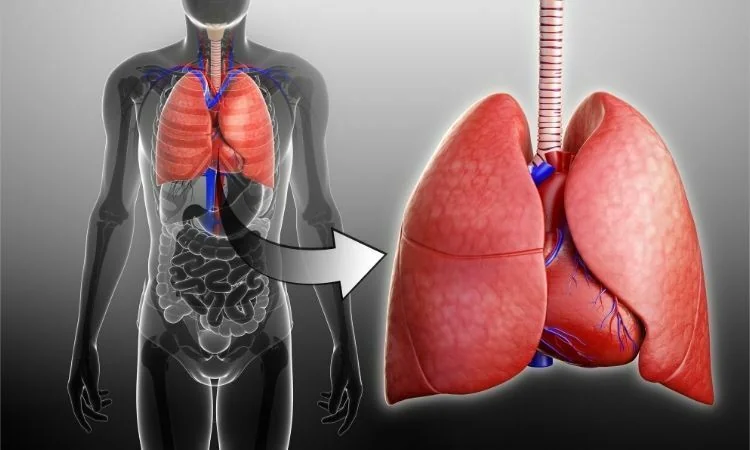
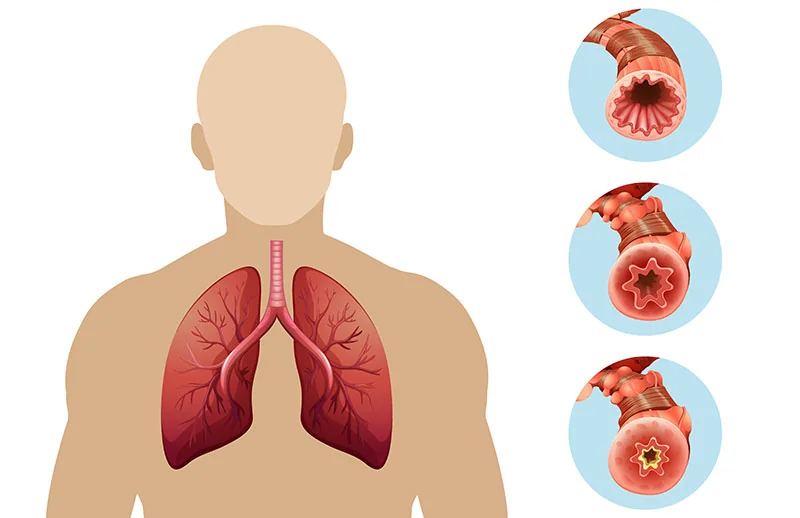
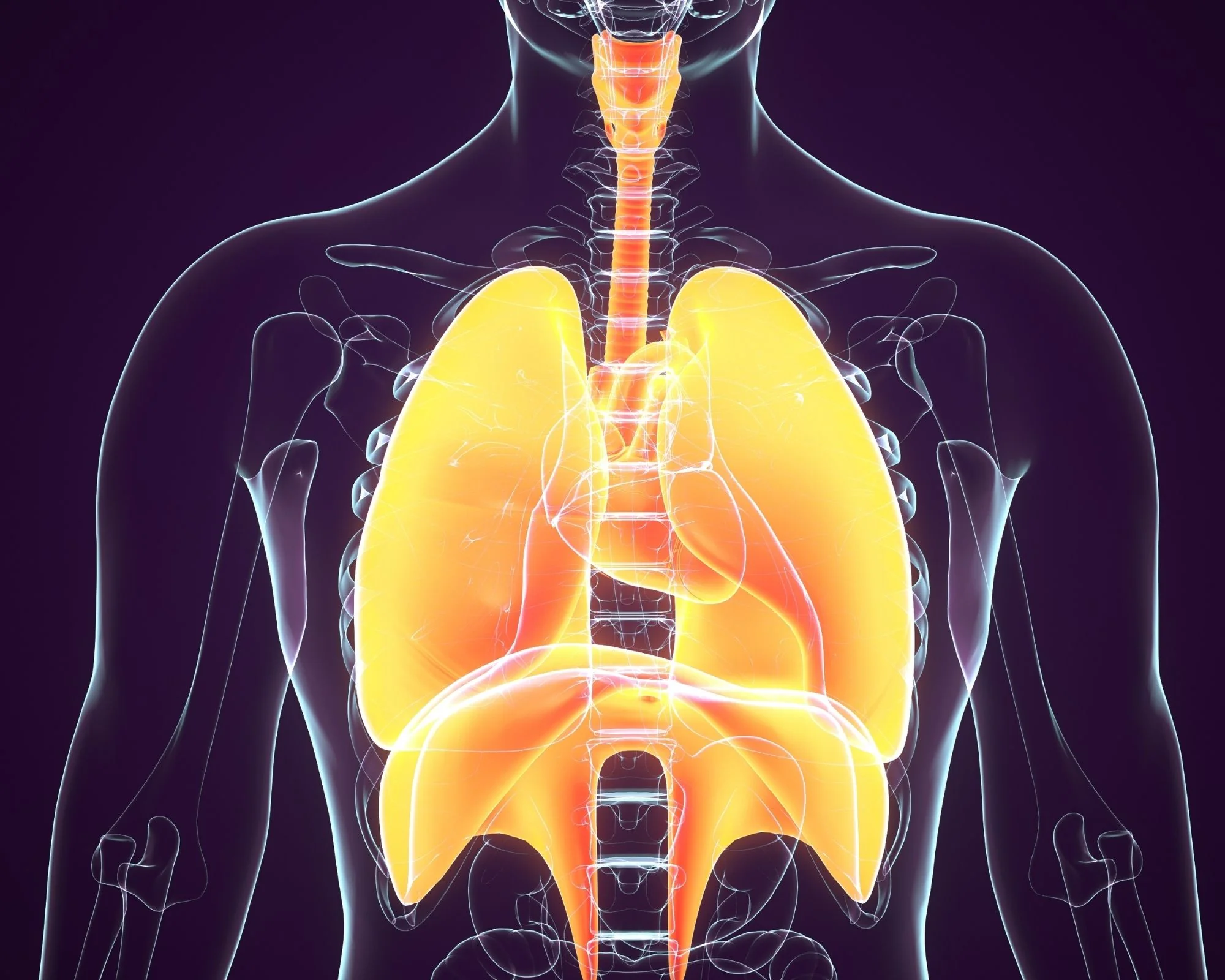
Mesothelioma develops from the mesothelium, the thin tissue lining structures such as the pleura, peritoneum and pericardium (the sac around the heart). It is associated with exposure to carcinogens, especially asbestos. The most common form is pleural mesothelioma, which affects the lining around the lungs.
Mesothelioma can progress and threaten life if untreated. Treatment often combines different methods. The place of major surgery is debated and requires individual specialist assessment; it should not be presented as routinely curative or automatically the most effective option.
What Is Mesothelioma Surgery?
Surgery may aim to remove visible tumour or relieve symptoms. These are different goals and may involve very different procedures. The potential benefit depends on the stage, tumour features, site and the person’s fitness.
Major tumour-removing operations are considered only in selected circumstances. Chemotherapy, immunotherapy, selected radiotherapy and supportive care are also important. Some patients are best treated without major surgery. Surgery does not guarantee prevention of spread or a longer life.
When Might Mesothelioma Surgery Be Considered?
Specialist teams may discuss an operation in circumstances including:
Limited-stage disease:
- An operation may be discussed when disease is limited and the person is fit enough. Apparent operability does not by itself establish that surgery will help. Current evidence, alternatives and clinical trials should be considered.
Symptoms from mesothelioma:
- Pain, breathlessness or fluid around the lung may need treatment. Less invasive procedures such as pleural drainage or pleurodesis may relieve symptoms without attempting major tumour removal.
Disease confined to a limited area:
- Absence of distant spread is one factor in assessment, but does not alone justify surgery or guarantee disease control.
Sufficient general fitness:
- Age, lung and heart function, other illnesses and the expected effect on quality of life are considered. The person’s preferences and understanding of risks are central to the decision.
Surgical Procedures for Mesothelioma
The procedure depends on the site and extent of disease, treatment goal and individual circumstances.
Procedures for pleural mesothelioma:
Pleurectomy and decortication: Involved pleura and visible tumour are removed while preserving the lung. Extended surgery may also remove involved diaphragm or pericardium. This is a major operation, and benefits must be weighed carefully against harms.
Surgical access through one side of the chest: A thoracotomy is an incision used to access the chest; it is not itself a tumour-removing operation. The actual procedure performed through that incision must be specified, such as P/D or, rarely, EPP.
Radical surgery:
- En bloc removal: Structures involved by tumour may sometimes be removed together. EPP removes the lung as well as pleura and usually parts of the diaphragm and pericardium. It carries substantial risks and has a limited role. More extensive surgery is not automatically more effective.
Laparoscopic and video-assisted procedures:
- VATS may be used for pleural biopsy, drainage or selected symptom-relieving procedures. Laparoscopy relates to disease within the abdomen, including peritoneal mesothelioma; it is not a chest operation. Smaller incisions may aid recovery, but do not remove the need for appropriate patient selection.
Potential Benefits and Limitations of Mesothelioma Surgery
Possible goals should be discussed alongside uncertainty:
Removal of visible tumour:
- Surgery may reduce visible tumour in selected patients, but mesothelioma can remain microscopically. Complete cure or prevention of further spread cannot be promised.
Symptom relief:
- Selected procedures may reduce breathlessness, fluid accumulation or discomfort and improve quality of life. The least burdensome effective treatment is considered.
Survival:
- A longer life cannot be assumed from major surgery. Randomised evidence has raised concerns about outcomes and complications with extended P/D. Decisions require an informed discussion of current evidence in a specialist multidisciplinary team.
Complications of Mesothelioma Surgery
Possible complications include:
Infection:
- Infection may delay recovery and require additional treatment.
Bleeding:
- Blood vessels may bleed during or after removal of pleura, lung or other structures.
Breathing difficulty:
- Lung function may be reduced and respiratory complications can occur.
Pneumothorax or air leakage:
- After a lung-preserving procedure, an air leak or incomplete lung expansion may require treatment. These complications differ from the expected changes after removal of an entire lung.
Prolonged recovery:
- Major surgery or complications may lead to a long recovery and a greater need for support. Other serious risks, including death, must be discussed before deciding on treatment.
Sources and further reading
These resources provide general background on this topic; they do not replace an individual medical assessment.