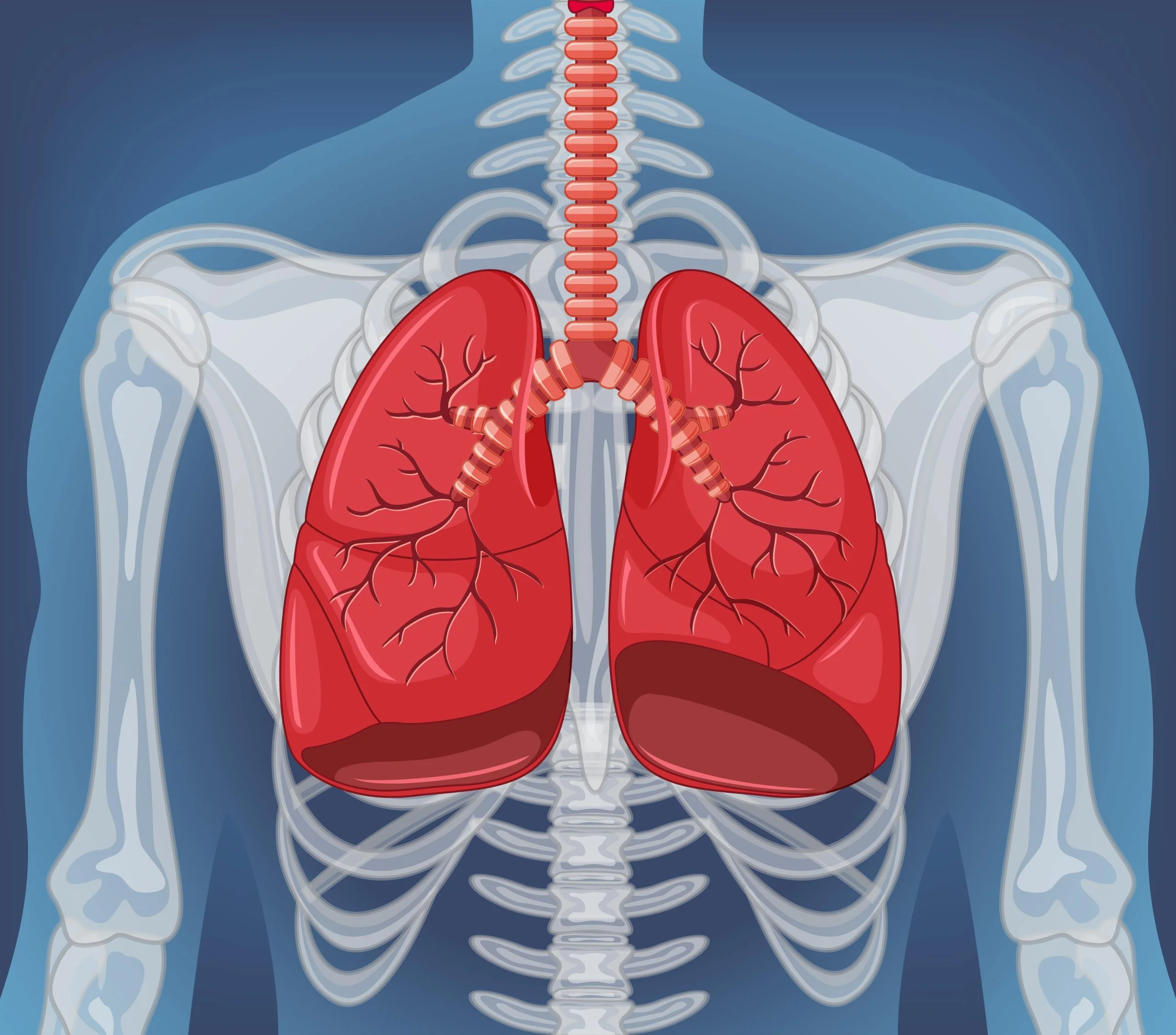
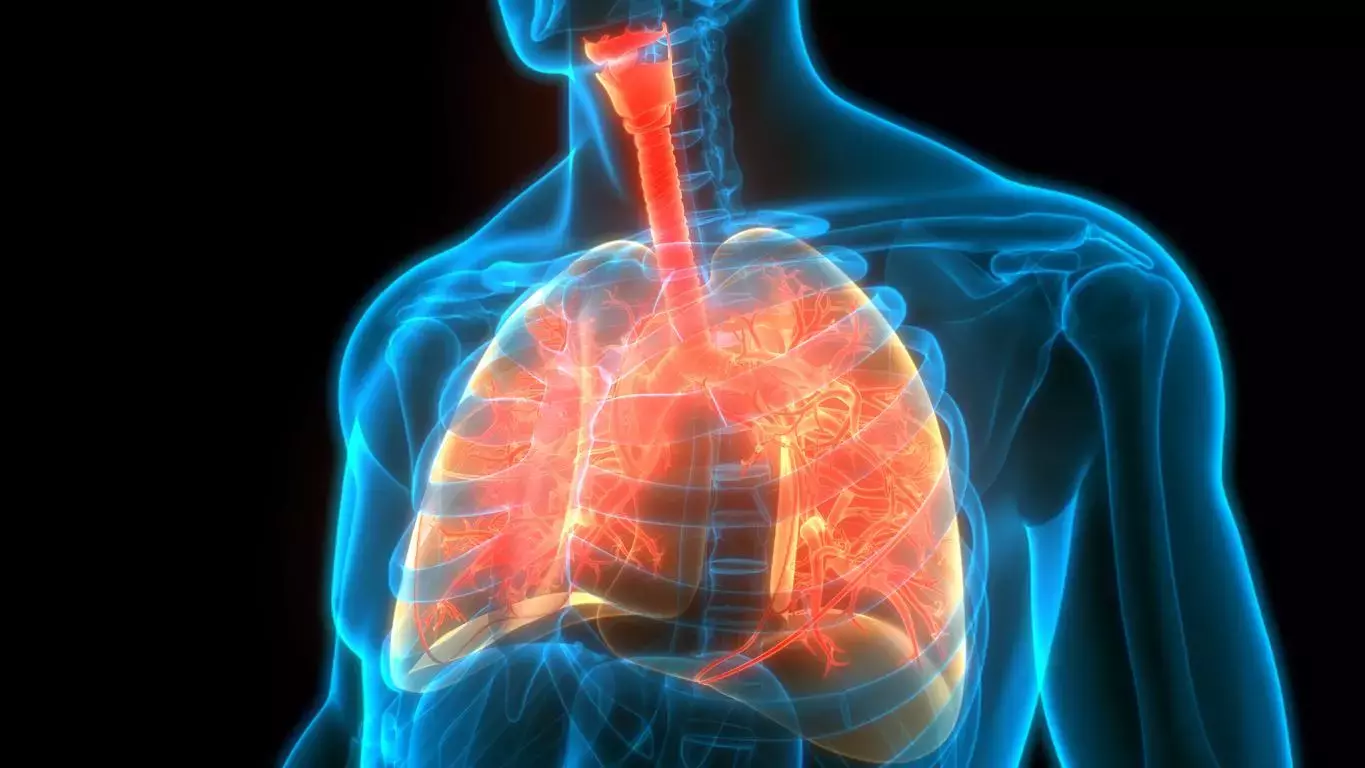
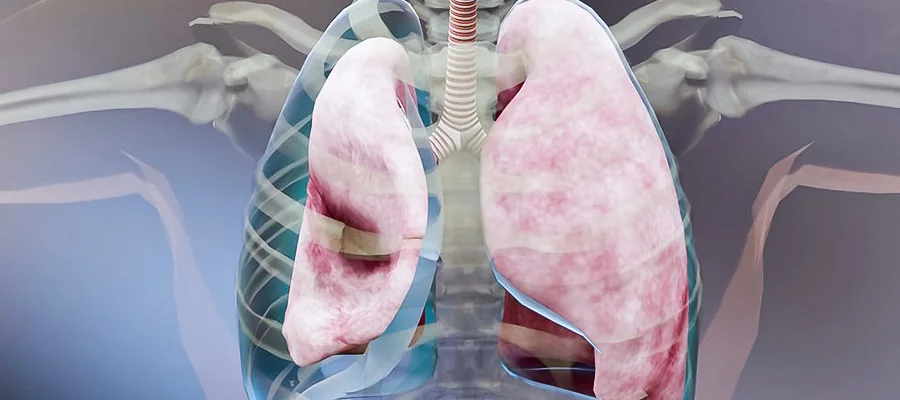
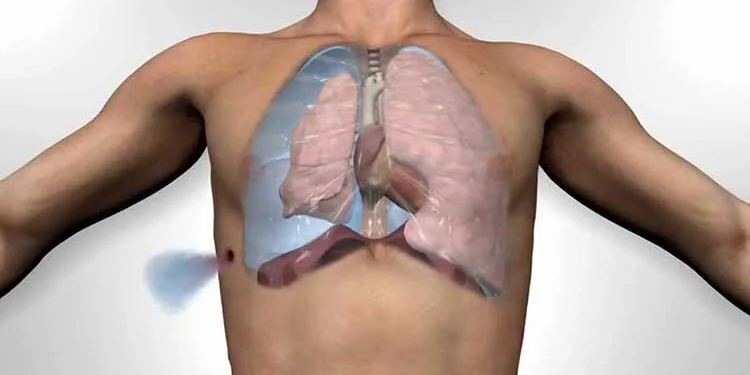
Pneumothorax, often called a collapsed lung, occurs when air collects in the pleural space between the lung and chest wall. This guide brings together causes, treatment options and the circumstances in which surgery may be considered. Not every pneumothorax needs an operation.
Related videos and posts
The linked Instagram content is in Turkish.
Sudden chest pain or new or increasing breathlessness needs urgent assessment. For severe breathlessness, collapse or bluish skin in Türkiye, call 112. Do not wait for a routine consultation.
What is pneumothorax and what causes it?
Air escapes into the pleural space outside the lung and may prevent normal expansion. An air leak can be associated with small air pockets on the lung surface, underlying lung disease, injury or a medical procedure.
Types of pneumothorax
- Primary spontaneous pneumothorax: Occurs without previously recognised lung disease, more often in young, tall, slim people.
- Secondary spontaneous pneumothorax: Occurs with existing lung disease such as COPD. It may have greater consequences when lung function is already limited.
- Traumatic or procedure-related pneumothorax: May follow a chest injury, biopsy or another procedure.
- Tension pneumothorax: Increasing pressure may impair breathing and circulation. It requires emergency treatment rather than a planned appointment.
Symptoms and diagnosis
Sudden one-sided chest pain and breathlessness are important symptoms. Rapid breathing, palpitations and weakness may occur. Mild symptoms alone do not rule out a serious problem.
Assessment includes breathing and circulation, chest X-ray and, when needed, ultrasound or CT. Pressing the chest cannot measure the extent of collapse. Emergency treatment for suspected tension pneumothorax must not be delayed for imaging.
Treatment options
Treatment is not selected from the X-ray appearance alone. Symptoms, general condition, underlying disease and the air leak all matter.
- Observation: Selected stable patients with few symptoms may have planned close follow-up without an intervention. This does not mean waiting at home without assessment.
- Needle aspiration or chest drainage: Air is removed when needed. Needle aspiration and placing a chest tube are different procedures.
- Oxygen: Used for low oxygen levels or other clinical indications, rather than routinely at high doses for everyone.
- Surgery or pleural treatments: Considered according to ongoing leakage and recurrence risk.
When is pneumothorax surgery considered?
Recurrent episodes, an ongoing leak despite a chest drain or failure of lung expansion are reasons for surgical assessment. Some bilateral cases, a previous tension presentation or particular circumstances such as flying professionally or diving may justify discussion after a first episode. Decisions are individual.
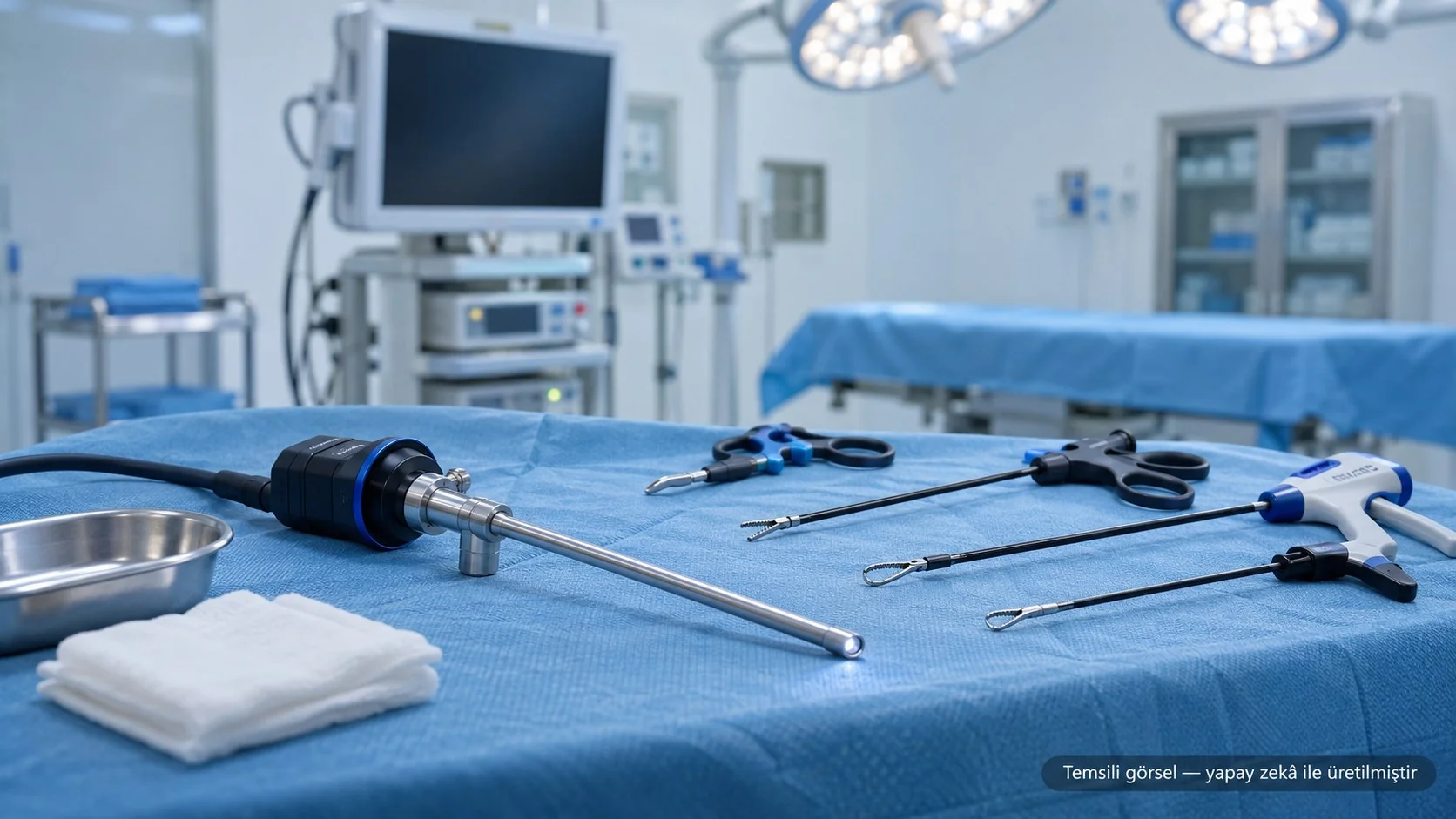
Suitable patients may have minimally invasive VATS surgery. Leaking blebs or bullae can be removed, sometimes with a small amount of surrounding lung. Pleurodesis or pleurectomy may be used to reduce recurrence. An open operation is needed in some circumstances.
Surgery aims to reduce recurrence; it cannot guarantee that it will never happen again. Bleeding, infection, pain and prolonged air leakage are among the risks discussed beforehand.
Recovery, exercise and travel
Drain removal, discharge and return to daily activities depend on lung expansion, air leakage and the treatment performed. Follow the team's wound-care, pain-relief, walking and breathing-exercise advice. Stopping smoking is important.
Ask for individual advice on flying, diving, strenuous exercise and work after reassessment. New pain or breathlessness needs assessment. See recovery after pneumothorax and exercise questions.
What can a consultation clarify?
Bring previous imaging, discharge summaries and any drain-treatment records. Your episodes and personal circumstances can help clarify the role of observation and surgery. See my background and contact options. Do not wait for a consultation when emergency symptoms occur.
Further reading on this topic
- Can a collapsed lung happen again? When is surgery considered?
- Nine Ways to Prepare for Pneumothorax Surgery
- 10 Habits for Lung Health and Reducing Pneumothorax Risk
- Six Recovery Strategies After Pneumothorax
- Six Breathing Exercises after Pneumothorax
- Five Minimally Invasive Approaches to Pneumothorax Treatment
- 4 Methods Used to Diagnose Pneumothorax
- Pneumothorax in Young People: 8 Risk Factors
- Pneumothorax and Sport: 8 Important Precautions