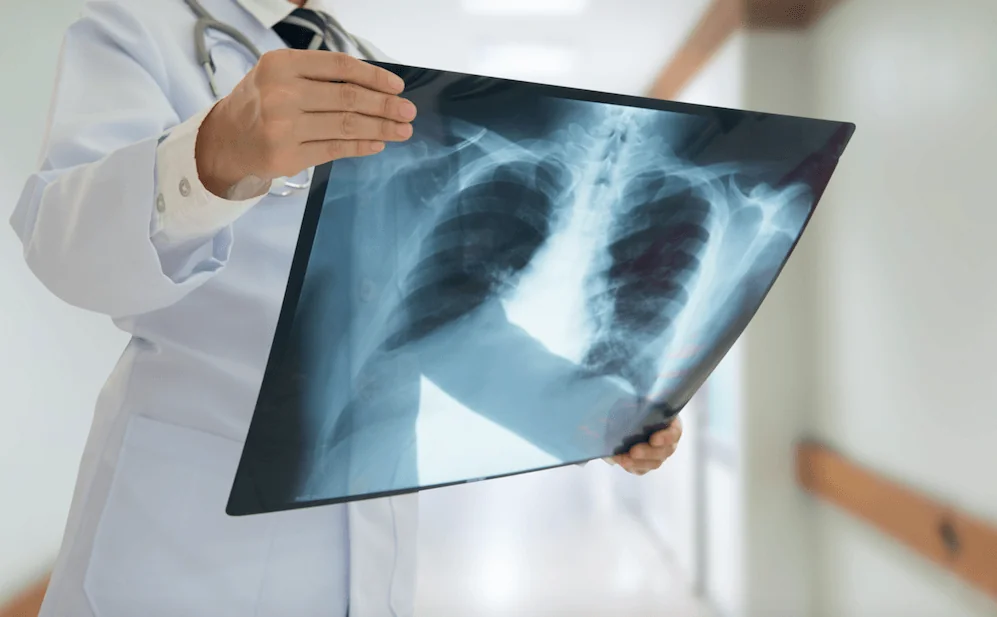
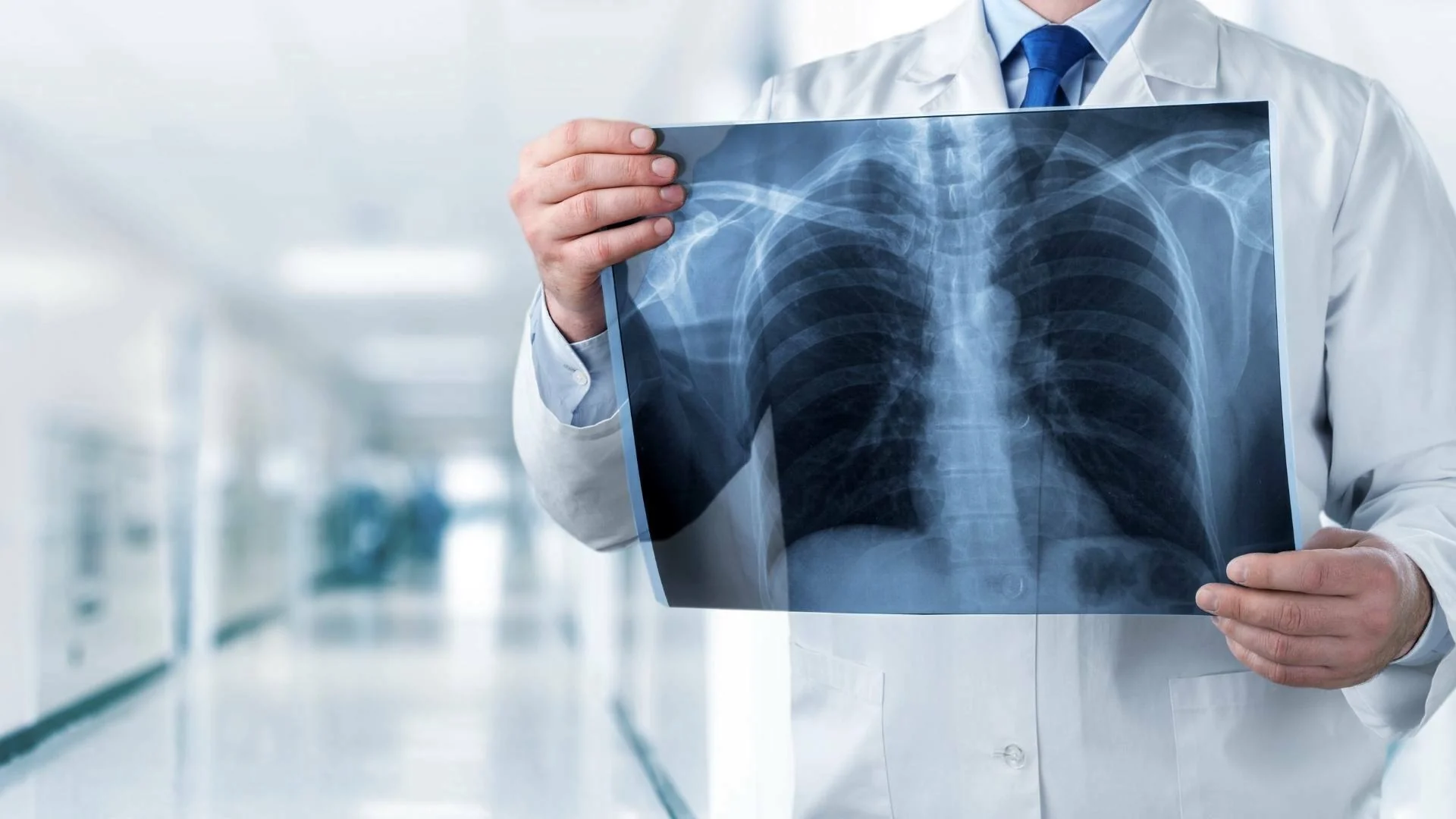
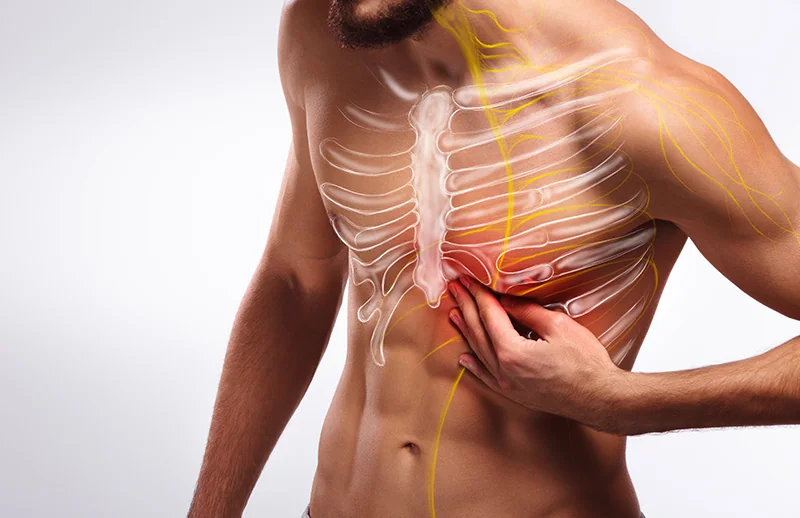
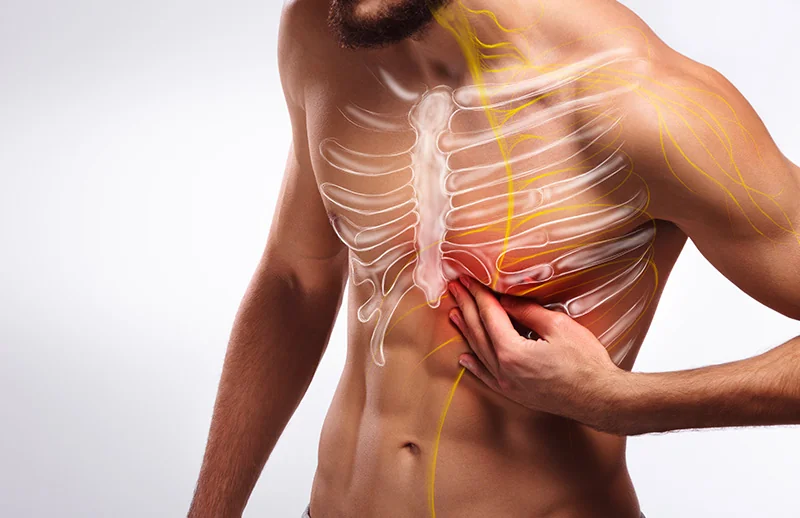
Chest trauma can damage organs within the rib cage and impair their function. Because the chest protects the heart, lungs, major vessels and other vital structures, some injuries are life-threatening. Causes include road traffic collisions, falls, penetrating injuries, sports accidents and workplace incidents.
Related videos and posts
The linked Instagram content is in Turkish.
For the broader clinical context, see Chest Injuries.
Chest trauma surgery includes operations used to treat these injuries. This page explains when surgery may be necessary and the main techniques used.
What is chest trauma?
Chest trauma is an injury affecting structures such as the lungs, heart, major vessels, pleura, ribs or sternum. Injuries are often classified as blunt or penetrating.
Blunt injury: An external force damages the chest without necessarily breaking the skin, for example in a collision or fall.
Penetrating injury: A wound enters through the skin and may reach the chest cavity, for example a stab or gunshot wound.
Types of injury
The effects depend on the force, location and structures involved. Common injuries include:
- Rib fractures: Often follow blunt trauma. They can cause severe pain and may be associated with lung injury.
- Pneumothorax: Air in the pleural space can cause the lung to collapse.
- Haemothorax: Blood collects in the pleural space and can impair breathing and circulation.
- Pulmonary haematoma or contusion: Bleeding or bruising within the lung, often after a high-energy impact.
- Injury to chest organs: The heart, major vessels, lungs or pleura may be affected.
- Sternal fractures: The breastbone may fracture after a substantial impact.
When might surgery be needed?
The required intervention depends on the type and severity of injury. Serious chest trauma needs prompt emergency assessment. Surgery may be necessary for:
- Persistent air leakage or bleeding: A large lung tear, uncontrolled air leak or significant haemothorax may require an operation in addition to drainage.
- Vascular injury: Damage to a major vessel can cause haemorrhagic shock and may require urgent repair or an appropriate endovascular procedure.
- Cardiac injury: Penetrating or other severe injuries to the heart or coronary vessels may need emergency intervention.
- Severe lung injury: Extensive tears or bleeding may need repair or removal of damaged tissue. Removing an entire lung is reserved for exceptional situations because of its substantial risks.
Surgical methods
The choice of technique reflects the location and severity of injury and the patient's clinical stability.
1. Tube thoracostomy — chest drain insertion
A small incision is made in the chest wall and a drain is inserted to remove air or blood from the pleural space.
Pneumothorax: Drainage allows pleural air to escape. A major persistent leak may need additional surgical repair.
Haemothorax: A drain removes blood and helps the team assess ongoing bleeding.
2. Pleural decortication
Decortication removes an organised fibrous covering that restricts lung expansion. After trauma, it may be considered for an organised retained haemothorax or related infection when simpler treatment is insufficient. It is not the routine treatment for an acute air leak or active bleeding.
3. Chest wall repair
Selected rib fractures or sternal injuries may need surgical stabilisation. Restoring chest wall stability can help breathing and pain control when the injury pattern warrants it.
4. Lung repair and resection
Large tears, uncontrolled bleeding or severely damaged tissue may require surgery. Small tears can sometimes be sutured, while more substantial injury may require a limited resection or lobectomy. Pneumonectomy means removal of an entire lung, not merely the damaged portion, and is uncommon in trauma.
5. Cardiac and major vessel surgery
Injuries to the heart, aorta or other major vessels can cause life-threatening bleeding. Appropriate specialist teams may repair cardiac wounds, vessels or associated pericardial injuries. Not every chest injury affects these structures, but suspected involvement needs urgent assessment.
Follow-up and recovery
Major trauma patients may need intensive care after surgery; others can be monitored on a surgical ward. Care includes breathing assessment, pain relief and antibiotics when indicated. Breathing therapy, physiotherapy and rehabilitation may be needed, especially after substantial chest injuries.
Sources and further reading
These resources provide general background on this topic; they do not replace an individual medical assessment.