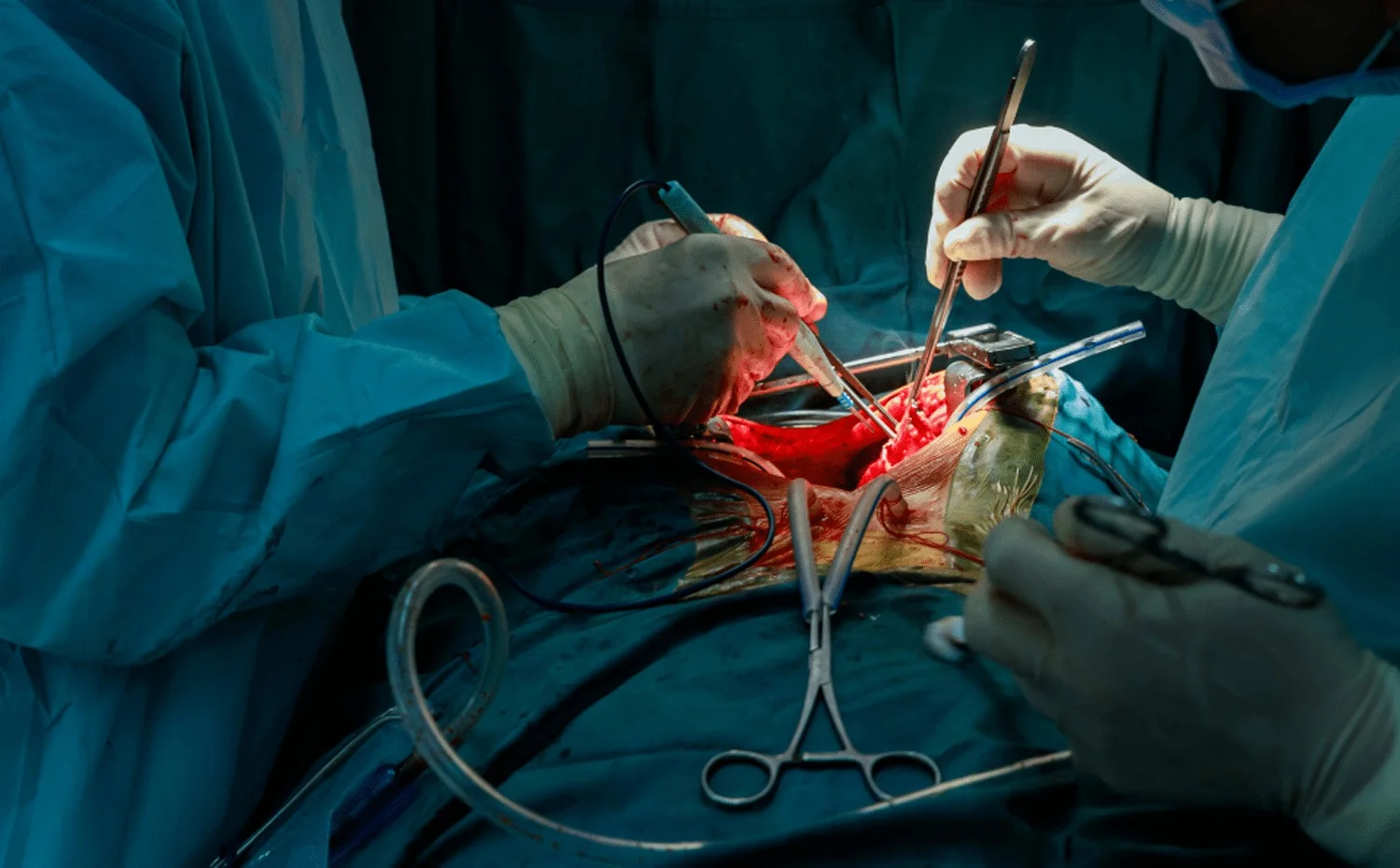
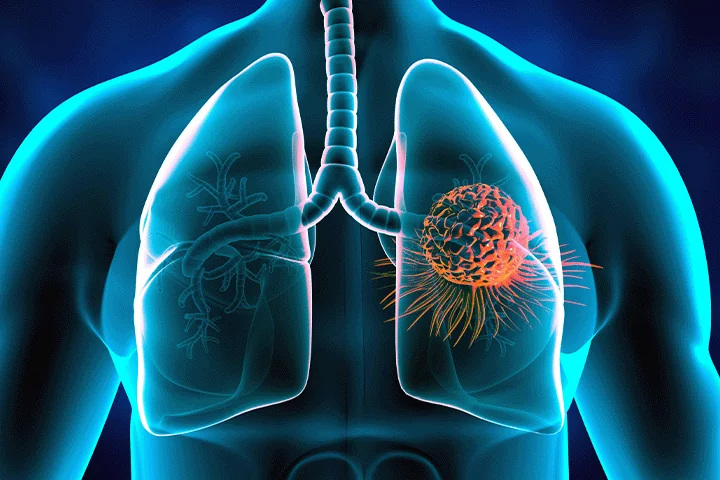
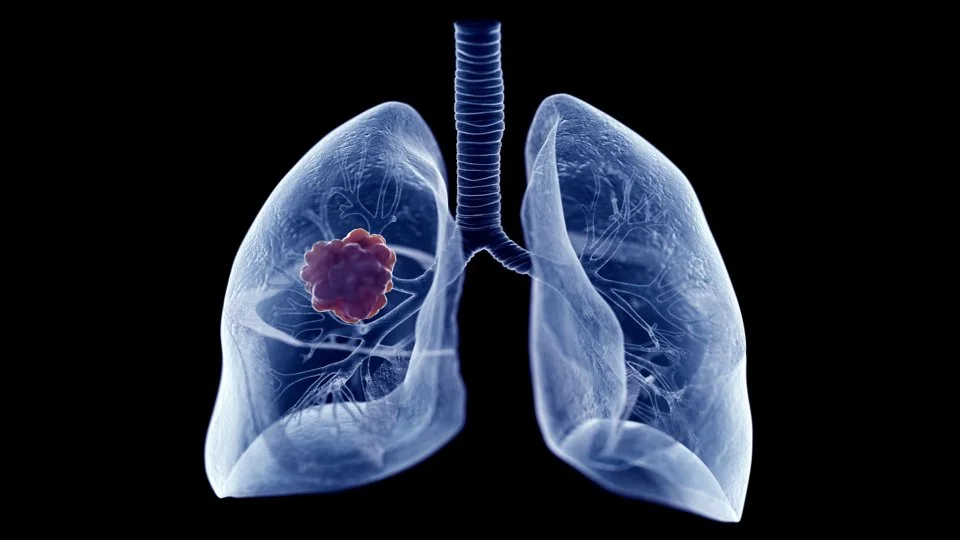
Early-stage lung cancer means that the cancer is confined to a limited part of the lung and has generally not spread to surrounding tissues. This is a stage at which treatment can be particularly effective and surgery can provide substantial benefit. Surgery aims to remove the tumour and has a central role in improving survival and preserving quality of life.
Related videos and posts
The linked Instagram content is in Turkish.
For the broader clinical context, see Lung Cancer: Symptoms, Treatment and Surgery.
The main approaches used in early-stage lung cancer surgery are VATS (video-assisted thoracoscopic surgery) and thoracotomy. The main types of lung resection—the amount of lung removed—include segmentectomy and lobectomy. This article explains each technique and its role in treating early-stage lung cancer.
Early-Stage Lung Cancer and Surgery
Early-stage lung cancer generally refers to cancer confined to a particular part of the lung, without distant spread and, in many cases, without lymph node involvement. Treatment with curative intent is often possible, and surgery is a principal treatment option for suitable patients.
The aim is to remove the whole tumour while preserving lung function. Operations commonly include lobectomy (removal of a lobe) or segmentectomy (removal of a segment). These may be performed through VATS, a minimally invasive approach, or thoracotomy, an open approach.
VATS (Video-Assisted Thoracoscopic Surgery)
VATS is a minimally invasive surgical approach often used for thoracic conditions such as lung cancer. Also known as thoracoscopic surgery, it allows the surgeon to operate inside the chest using a video camera introduced through a small incision. Potential benefits include a shorter recovery, less pain and a faster return to activity after surgery.
Advantages of VATS:
- Minimally invasive surgery: It uses small incisions rather than one large incision.
- Faster recovery: Patients generally spend less time in hospital and may return to normal activities sooner.
- Less pain: Postoperative pain is often less than with traditional open surgery.
- Lower risk of some complications: In suitable patients, minimally invasive surgery may reduce certain complications, including wound infection and bleeding.
VATS can be used for operations such as lobectomy or segmentectomy. A small camera and specialised instruments allow the surgeon to reach the affected lung area and remove the tumour.
VATS may be preferred:
- For early-stage lung cancer;
- When the tumour is limited to a lobe or segment;
- When the patient's general health and ability to tolerate surgery are appropriate.
Thoracotomy
Thoracotomy is an open approach in which a larger incision through the chest wall provides access to the lungs. It may be preferred for larger tumours or when a minimally invasive approach such as VATS is unsuitable. Open surgery can be used in selected patients with more advanced cancer or large lesions.
Advantages of thoracotomy:
- Access for large tumours: Open surgery can provide the access needed to remove large tumours or operate on a larger area of the lung.
- A wider surgical field: The surgeon can examine surrounding tissues directly and remove them if necessary.
A larger incision may mean more postoperative pain and a longer recovery. Thoracotomy is therefore selected when it offers advantages that a less invasive approach such as VATS cannot provide for the individual case.
Segmentectomy
Segmentectomy removes a single anatomical segment of the lung. It removes less lung tissue than lobectomy. It can be suitable for selected patients whose tumour is confined to a small part of the lung, whose general health allows surgery and in whom preserving lung function is important.
Segmentectomy has an important role in early-stage lung cancer treatment. For selected small tumours, the cancer-bearing area can be removed while preserving the rest of the lung.
Advantages of segmentectomy:
- Preservation of lung function: Removing only the affected segment retains more functioning lung tissue.
- Less tissue removed: Compared with lobectomy, a smaller amount of lung is removed, and recovery may be shorter.
- An option for selected patients: It may be valuable for people with limited breathing capacity, including carefully selected patients with only one lung.
Segmentectomy may be preferred:
- For small, localised cancers;
- When the tumour is confined to a single lung segment;
- When the remaining parts of the lung are healthy.
Lobectomy
Lobectomy removes one lobe of the lung. The right lung has three lobes and the left has two. Lobectomy is often selected when a tumour lies within one lobe; it is used in early-stage disease and in selected more advanced cases.
Lobectomy is one of the most frequently used operations for lung cancer. It removes the tumour-bearing lobe, including the surrounding lung tissue within that lobe. Lobectomy is an effective treatment for many patients with early-stage lung cancer while leaving the remaining lobes in place.
Advantages of lobectomy:
- Complete tumour removal: Removing the affected lobe can allow the tumour to be removed completely.
- Preservation of remaining lung function: The other lobes remain to support breathing.
- Effective treatment: Lobectomy can provide good outcomes, particularly in early-stage lung cancer.
Lobectomy may be preferred:
- When the tumour is in one lobe and cancer is not present elsewhere;
- When the patient's general health permits surgery;
- When the cancer's characteristics, including its growth potential, support surgical treatment.
In my article on the pathology report after early-stage lung cancer surgery, I explain microscopic findings using a 402-patient study I co-authored.
Sources and further reading
These resources provide general background on this topic; they do not replace an individual medical assessment.