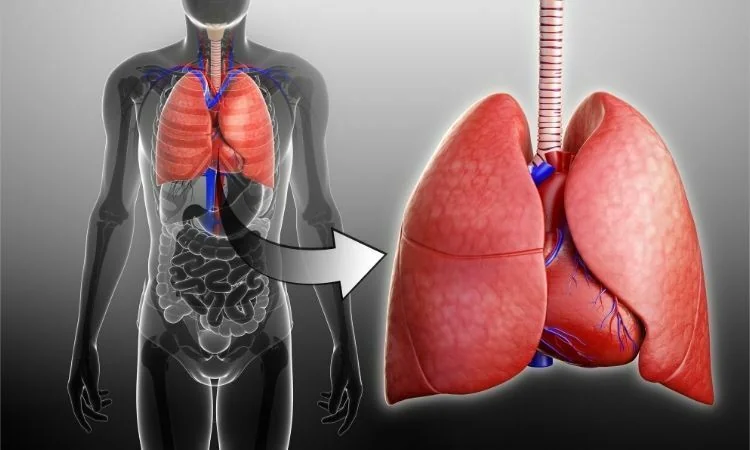
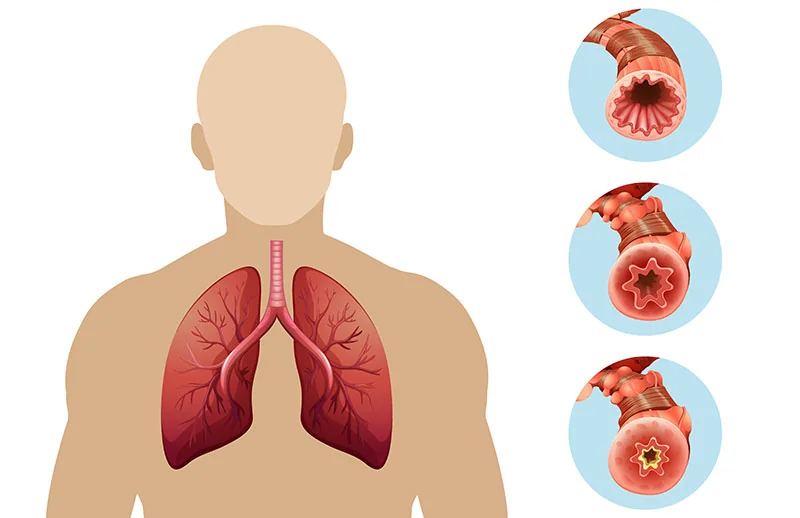
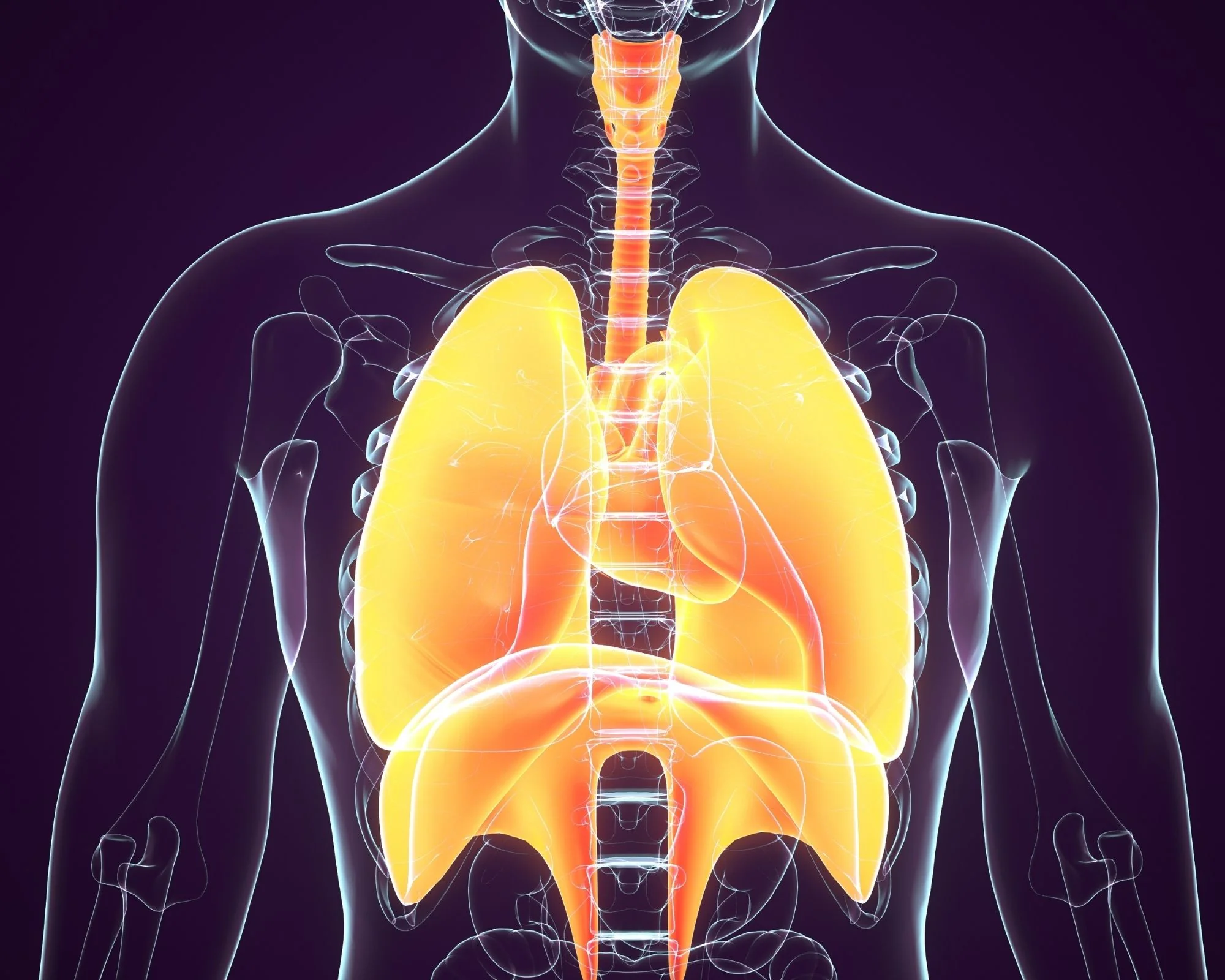
Talc pleurodesis is a procedure commonly used to control fluid that repeatedly collects in the pleural space around a lung. Sterile medical-grade talc, a mineral preparation, is introduced into that space. It encourages the pleural layers to adhere, reducing the space in which fluid can accumulate. It is widely used in the management of selected pleural effusions.
Related videos and posts
The linked Instagram content is in Turkish.
For the broader clinical context, see Pleural Disorders.
The aim is to relieve symptoms caused by fluid and reduce the need for repeated drainage. This article explains what the procedure involves, when it may be offered and the possible complications.
What Is Talc Pleurodesis?
Talc pleurodesis introduces talc, a magnesium silicate mineral preparation, into the pleural space. The resulting adhesion between the pleural layers aims to prevent recurrent fluid. The lung usually needs to expand sufficiently for these layers to come into contact. Reducing fluid accumulation can relieve breathlessness, discomfort and other symptoms.
It is used particularly for recurrent malignant pleural effusion and in some other carefully selected situations. It is not a treatment for an active pleural infection. Preventing repeated fluid accumulation can improve quality of life, although the result varies.
How Is Talc Pleurodesis Performed?
The procedure is performed in hospital using sterile technique. It combines drainage of fluid with treatment to encourage pleural adhesion. The usual steps are:
- Preparation and anaesthesia:
- Local anaesthetic and pain relief, sometimes with sedation, are used for chest-tube treatment; VATS may require general anaesthesia. You may lie on your back or side.
- The skin is cleaned, and imaging such as ultrasound or chest X-ray helps the team assess the correct site and lung expansion.
- Placing a chest tube:
- Fluid is usually drained through a chest tube first. This reduces the collection and helps the team assess whether talc pleurodesis is suitable.
- Introducing the talc:
- Talc is introduced into the pleural space through the tube or applied during thoracoscopy. It triggers an inflammatory reaction that encourages the pleural surfaces to adhere and reduces the likelihood of fluid returning.
- Removing the tube:
- The chest tube is commonly left in place for several days. Drainage, any air leak and your clinical condition determine when it can be removed.
- Monitoring afterwards:
- You may remain in hospital for several days while the team monitors the drain, breathing and possible complications.
When Is Talc Pleurodesis Used?
The following situations are considered during assessment:
- Pleural effusion:
- Fluid around a lung can restrict its expansion and make breathing difficult. Pleurodesis may help control recurrent fluid in selected patients after its cause and available treatments have been assessed.
- Malignant pleural effusion:
- Cancer affecting the pleura may cause recurrent fluid. Lung, breast and stomach cancers are among the possible causes. Talc pleurodesis is an established option for suitable patients with malignant pleural effusion.
- Infection:
- Infection can cause fluid or pus in the pleural space, but an active infection is not treated by talc pleurodesis. Antibiotics, drainage and, when necessary, surgery directed at the infection are used instead.
- An effusion likely to recur:
- When fluid repeatedly returns, pleurodesis aims to reduce further accumulation. Alternatives may include an indwelling pleural catheter, depending on lung expansion, the underlying condition and the patient's preferences.
Potential Benefits
Talc pleurodesis offers several potential benefits:
- Controlling fluid accumulation:
- Reducing fluid around the lung can make breathing easier and lessen the likelihood of another collection.
- Relieving symptoms:
- Pleural fluid can cause breathlessness, pain and other symptoms. Controlling it can improve comfort and quality of life.
- A less invasive option:
- Treatment through a chest tube avoids a larger operation and may allow a quicker recovery in suitable patients.
- Reducing recurrence:
- Pleurodesis can provide effective control of recurrent fluid, although success is not guaranteed and depends on the individual situation.
Possible Complications
Although commonly performed, talc pleurodesis can cause complications, including:
- Infection:
- As with other procedures involving the pleural space, infection can occur and may require treatment.
- Pain and discomfort:
- Chest pain or discomfort can follow the inflammatory reaction. Pain relief is planned and adjusted as needed.
- Respiratory reactions:
- Inflammation related to talc can occasionally cause breathing problems, rarely severe ones.
- Persistent or recurrent fluid:
- Pleurodesis may not control the fluid adequately. Further drainage or another treatment may then be needed.
- Talc-related pneumonitis:
- Rarely, significant inflammation of the lungs can occur. Severe reactions may be related to the inflammatory response to talc and cannot be explained simply by accidental injection into the lung. Appropriately graded, sterile medical talc is used for pleurodesis.
Sources and further reading
These resources provide general background on this topic; they do not replace an individual medical assessment.