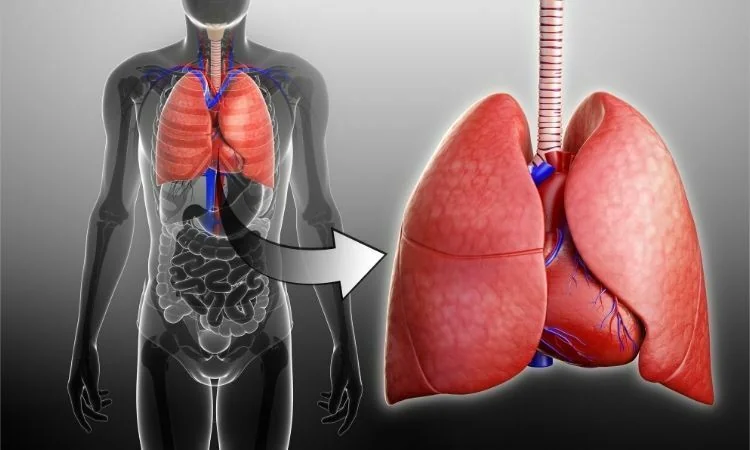
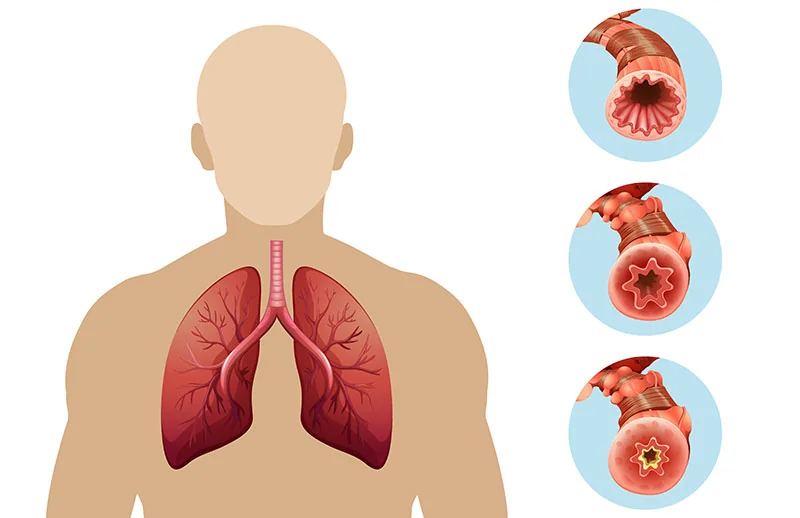
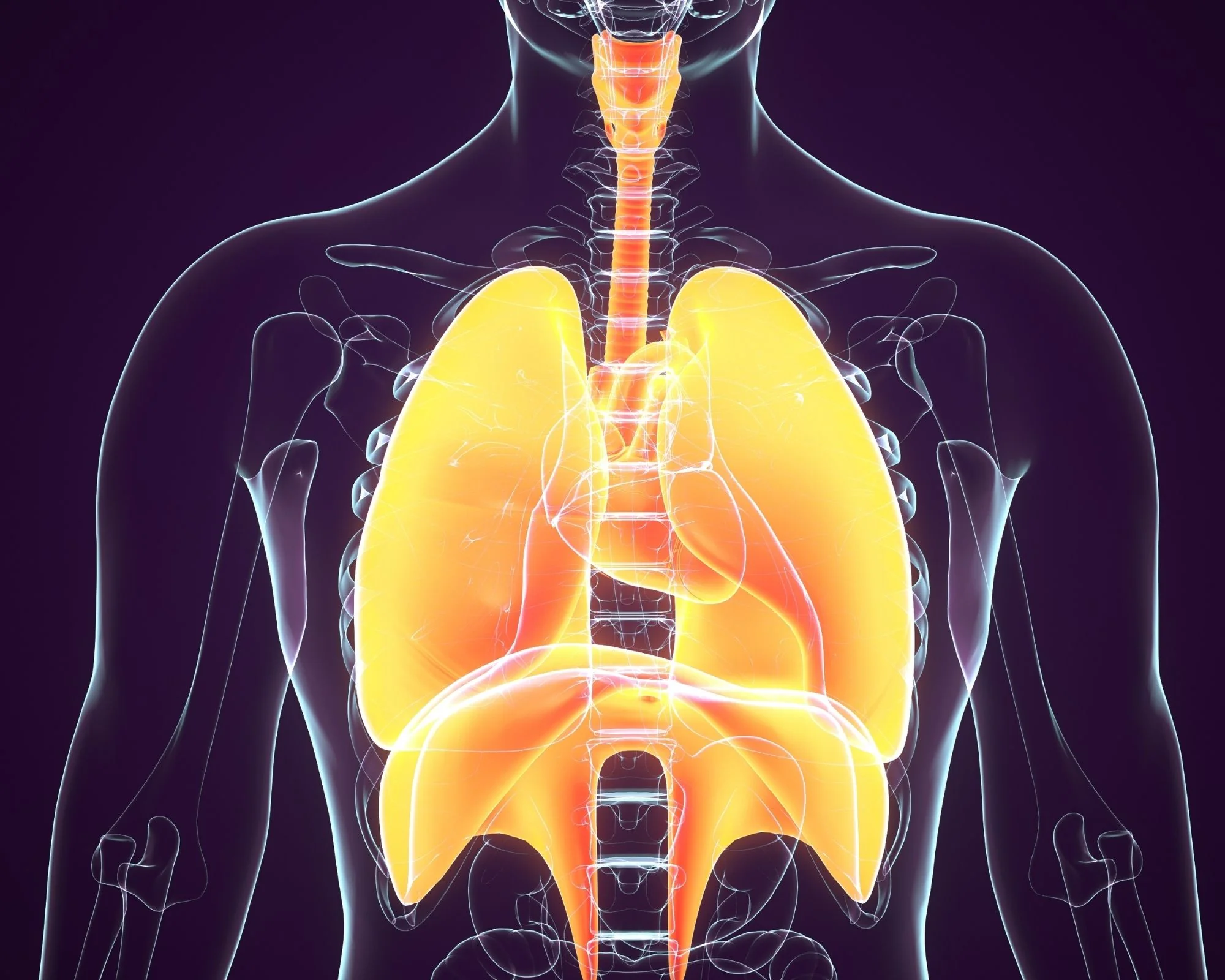
The pleura is a thin, two-layered lining around the lungs. The visceral pleura covers the lung surface, while the parietal pleura lines the inside of the chest wall. A small amount of fluid between these layers allows them to slide smoothly during breathing. Pleural disorders include inflammation, infection, fluid or air collections and tumours. Some can cause serious problems, making prompt assessment and appropriate treatment important.
Related videos and posts
The linked Instagram content is in Turkish.
1. Pleurisy (Inflammation of the Pleura)
Pleurisy means inflammation of the pleural layers. It can result from infection, injury, inflammatory disease or other causes. The inflamed layers may rub during breathing, causing sharp chest pain.
Causes:
- Viral Infections: Some respiratory viral infections can cause pleuritic inflammation. Conditions such as HIV can affect the risk of other infections, while shingles may cause chest pain that can mimic pleurisy rather than directly proving pleural inflammation.
- Bacterial Infections: Pneumonia and other bacterial chest infections can involve the pleura.
- Injury: Chest trauma or surgery may irritate or damage the pleural lining.
- Autoimmune Conditions: Inflammatory conditions such as rheumatoid arthritis or lupus can cause pleurisy.
Symptoms:
- Chest pain that worsens with breathing or coughing.
- Sharp pain on taking a breath.
- Tiredness or weakness.
- Fever or chills when an infection or another inflammatory illness is present.
- A cough, often dry.
Treatment:
- Medicines: Pain relief or anti-inflammatory medicines, such as ibuprofen when suitable, may help. Antibiotics are used for a bacterial cause rather than for every case.
- Antivirals: Most uncomplicated viral pleurisy does not require an antiviral. These medicines are used only for specific infections when clinically indicated.
- Corticosteroids: Selected autoimmune causes may need corticosteroids or other treatment directed at the underlying disease. They are not routine treatment for all pleurisy.
2. Pleural Effusion (Fluid Around the Lung)
A pleural effusion is an abnormal increase in fluid within the pleural space. Normally there is only a thin film of fluid between the layers. Various conditions can cause a larger collection, which may restrict lung expansion and make breathing difficult.
Causes:
- Heart Failure: Changes in fluid balance and pressure can lead to fluid collecting around the lungs.
- Cancer: Lung cancer, breast cancer and other cancers can cause a pleural effusion.
- Infection: Pneumonia or tuberculosis may cause pleural fluid.
- Liver or Kidney Disease: Cirrhosis or kidney disease can also lead to fluid accumulation.
- Injury: Chest trauma may produce pleural fluid or blood, depending on the injury.
Symptoms:
- Breathlessness.
- Chest discomfort or pain.
- Cough.
- Tiredness.
- Loss of appetite, sometimes reflecting the underlying illness.
Treatment:
- Drainage: Fluid may be removed through a needle or catheter in a procedure called thoracentesis. Some patients need a chest drain.
- Treatment of the Cause: The underlying condition, such as infection, heart failure or cancer, is treated when possible.
- Further Pleural Procedures: Persistent or recurrent fluid may require an indwelling pleural catheter, pleurodesis or, in selected circumstances, surgery. The choice depends on the cause, symptoms and whether the lung can expand.
3. Pleural Cysts and Tumours
Cystic lesions near the pleura are fluid-filled structures. Many are benign and may cause no symptoms, although a large lesion can press on nearby structures. Pleural tumours can be benign or malignant; cancer may begin in the pleura or spread there from elsewhere.
Causes:
- Benign Cysts: Some are developmental lesions. Ordinary pleural fluid should not be described as routinely turning into a true cyst; an enclosed fluid collection can instead be loculated fluid.
- Cancer: A pleural malignancy may arise from the pleura itself or represent spread from lung, breast, stomach or another cancer.
Symptoms:
- Chest pain.
- Breathlessness.
- Occasionally noisy breathing if a lesion affects nearby airways.
- Cough.
Treatment:
- Surgery: Selected cysts or tumours can be removed, depending on the diagnosis, extent and patient's fitness. Not every pleural cancer is suitable for resection.
- Systemic Treatment and Radiotherapy: Chemotherapy, immunotherapy or other medicines, and sometimes radiotherapy, may be used according to the tumour type and treatment plan.
- Drainage: A symptomatic fluid collection may be drained. Drainage alone does not establish a lasting cure for every true cyst or tumour, so specialist evaluation is needed.
4. Pleural Mesothelioma
Pleural mesothelioma is a cancer arising from cells in the pleural lining. It is most often associated with previous asbestos exposure. Many years may pass between exposure and the onset of disease, which can make recognising the cause difficult.
Causes and Risk Factors:
- Asbestos Exposure: Past exposure increases the risk of mesothelioma.
- Inherited Susceptibility: Rare inherited predispositions can contribute in some families. A family history does not mean that everyone in that family will develop the disease.
Symptoms:
- Chest pain.
- Breathlessness.
- Unexplained weight loss.
- Tiredness.
- Occasionally noisy breathing, depending on the effects of the disease; this is not a defining symptom.
Treatment:
- Surgery: Surgery is not a routine treatment for every patient with mesothelioma. Any possible role requires careful specialist multidisciplinary assessment, taking account of current evidence and the risks.
- Systemic Treatment and Radiotherapy: Immunotherapy or chemotherapy can be important treatment options. Radiotherapy is used in selected situations, including symptom relief, rather than being an automatic component of every treatment plan.
- Palliative Care: Supportive and palliative care can relieve symptoms and improve quality of life alongside disease-directed treatment at any stage when needed.
Related conditions and procedures
Further reading on this topic
The following articles cover diagnosis, treatment planning and recovery in more detail.
- What Is a Closed Pleural Biopsy? What to Know Before and After the Procedure
- Pleural Disorders: 10 Risk Factors, Prevention and Treatment
- Pleural Disease and Infection: Eight Connections Explained
- Closed Biopsy for Pleural Effusion: When Is It Needed and How Is It Performed?
Sources and further reading
These resources provide general background on this topic; they do not replace an individual medical assessment.