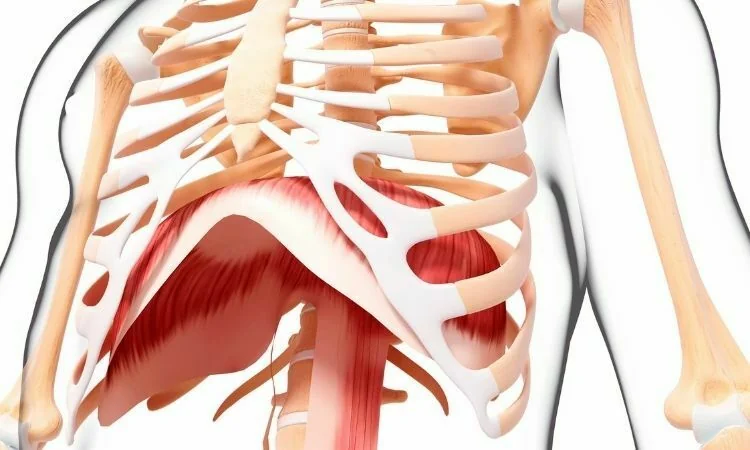
Diaphragm plication is a surgical technique used in selected patients whose diaphragm is weak or does not function normally. The diaphragm is a major breathing muscle and separates the chest from the abdomen. Paralysis or eventration can leave it abnormally elevated and disturb breathing mechanics. Plication secures the elevated diaphragm in a tighter, more stable position; it does not restore nerve function to a paralysed muscle.
Related videos and posts
The linked Instagram content is in Turkish.
For the broader clinical context, see Diaphragm Disorders.
The aim is to improve breathing mechanics by adjusting the position of the loose, elevated diaphragm. Closing a hole caused by a diaphragmatic hernia or repairing a traumatic tear are different operations. This article explains what plication involves, who may benefit and what recovery can involve.
What Is Diaphragm Plication?
Plication folds the elevated diaphragm and secures it with stitches. It aims to create more room for the lung and reduce abnormal upward, or paradoxical, movement during breathing. The following situations are assessed:
- Diaphragm eventration or paralysis:
- The diaphragm sits abnormally high. Unlike a hernia, eventration retains an intact diaphragm; paralysis reflects reduced nerve or muscle function.
- Breathing impairment and diaphragm weakness:
- A poorly functioning diaphragm can contribute to breathing difficulties. Causes include nerve injury, previous surgery and other conditions; age alone is not a reason for surgery.
- Diaphragm injury:
- Trauma or a previous operation can injure the diaphragm or its nerve. A tear may need direct repair. Plication may be considered separately when persistent paralysis causes symptoms.
How Is Diaphragm Plication Performed?
The operation is usually performed under general anaesthesia. The main stages are:
1. Preparation and Anaesthesia:
- You receive general anaesthesia and are asleep during the procedure. The surgical area is prepared using sterile technique.
- Small incisions may be made through the chest or abdomen. The approach is chosen according to the individual condition.
2. Surgical Access:
- The surgeon reaches the diaphragm through the selected incision or minimally invasive ports.
- An abdominal approach may be laparoscopic. A chest approach can use thoracoscopy (VATS); an open approach is appropriate in some situations.
3. Securing the Diaphragm:
- The loose, elevated diaphragm is folded and tightened with stitches. The goal is to adjust its height and abnormal movement, rather than close a hole.
- A separate hernia or tear may require a patch repair; this is not the definition of routine plication.
- The diaphragm is stabilised with the aim of improving breathing mechanics.
4. Monitoring and Closure:
- The incisions are closed, and your breathing and general condition are monitored.
- A minimally invasive approach may allow a quicker recovery than an open operation, although recovery varies.
Indications: Who May Be Offered Plication?
The following clinical situations may be considered:
- Diaphragm eventration or paralysis:
- Plication may help when an elevated diaphragm causes symptoms and compresses the lung, after other causes of breathlessness have also been assessed.
- Diaphragm muscle weakness:
- Symptoms, imaging, diaphragm movement and lung function tests are reviewed together. Not every person with diaphragm weakness needs surgery.
- Diaphragm injury:
- Repairing a tear and plicating a paralysed diaphragm are different operations. The appropriate procedure depends on the injury and its effects.
- Patients with respiratory impairment:
- Plication may be considered when an elevated, poorly functioning diaphragm is shown to contribute to breathing symptoms and the patient is suitable for surgery. It is not used for every cause of respiratory failure.
Risks and Possible Complications
As with any operation, there are risks, including:
- Infection:
- Wound or other infection may occur and require treatment, including antibiotics when indicated.
- Bleeding:
- Bleeding can occur during or after surgery and is managed according to its severity.
- Wound-healing difficulties:
- Some patients have delayed wound healing or other wound problems, particularly after a larger incision.
- Injury to nearby structures:
- Structures close to the diaphragm, including the lung, heart or liver, can be injured during an operation.
- Recurrent elevation or suture failure:
- If the stitches fail or the diaphragm rises again, symptoms may recur. Follow-up assesses this possibility.
- Breathing problems:
- Temporary breathing difficulties can occur after surgery and may require additional support.
Recovery After Diaphragm Plication
Recovery depends on the approach used and your overall health. It generally includes:
- Hospital monitoring:
- Patients usually remain in hospital for several days. Pain relief and breathing are assessed during this period.
- Pain control:
- Mild to moderate pain is common and is managed with appropriate medicines and other pain relief methods.
- Limits on physical activity:
- Avoid strenuous activity for the first few weeks or as advised, particularly movements that put pressure on the abdomen and healing tissues.
- A gradual return to usual activities:
- Recovery may be quicker after minimally invasive surgery than after an open operation. The team will advise how to increase activity safely.
- Follow-up appointments:
- Your surgeon monitors recovery, diaphragm position and breathing, and checks for new complications.
Sources and further reading
These resources provide general background on this topic; they do not replace an individual medical assessment.