
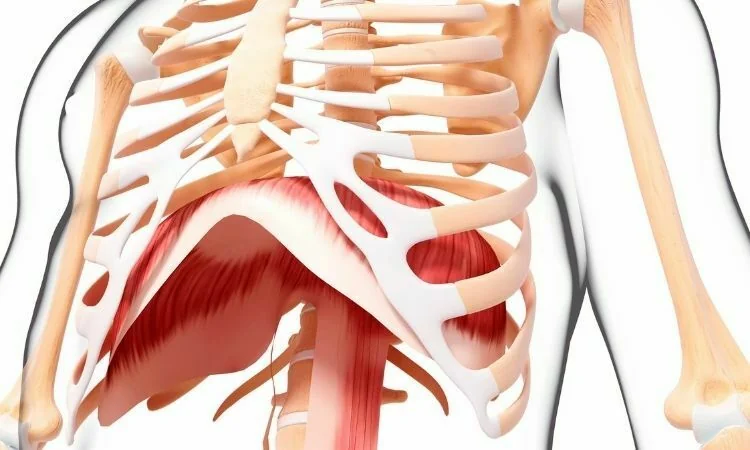
Difficulty breathing, chest pain or discomfort after meals can be symptoms of a diaphragmatic hernia, although they also have other causes. This condition can often be treated surgically when an operation is indicated. This guide explains the stages from diagnosis to treatment.
Related videos and posts
The linked Instagram content is in Turkish.
For the broader clinical context, see Diaphragm Disorders.
Diaphragmatic hernia surgery can improve symptoms in appropriately selected patients, but every operation has risks. Thoracic surgeons, including Prof. Dr. Kemal Karapınar, assess the individual case and select appropriate techniques. The following sections explain the main aspects of surgery and recovery.
What Is a Diaphragmatic Hernia, and How Does It Develop?
A diaphragmatic hernia occurs when an opening, tear or weakness in the diaphragm—the muscle separating the chest from the abdomen—allows abdominal organs to enter the chest. This changes their normal position and can lead to complications.
The diaphragm is a major breathing muscle and moves continuously with breathing. Defects may be present from birth or develop after trauma. Age-related changes and increased abdominal pressure contribute particularly to some types, such as hiatal hernia.
The main types include:
- Hiatal hernia: part of the stomach moves through the natural opening for the oesophagus into the chest.
- Traumatic diaphragmatic hernia: a tear caused by an accident or injury.
- Congenital diaphragmatic hernia: a defect formed during development.
Each type has different features and may require a different treatment approach. Appropriate diagnosis and treatment can improve symptoms and quality of life.
Symptoms and Diagnosis
Symptoms depend on the type and size of the hernia and the organs involved. Some patients have no symptoms, while others experience significant problems.
Main Symptoms
Breathing-related symptoms:
- Shortness of breath, especially during physical activity;
- Chest pain or tightness;
- Cough or a congested feeling in the chest;
- Difficulty breathing when lying down.
Digestive symptoms:
- Bloating and discomfort after meals;
- Heartburn and reflux;
- Difficulty swallowing;
- Nausea and vomiting;
- Abdominal pain.
General symptoms:
- Tiredness and weakness;
- Palpitations;
- Unusual sounds in the chest.
Diagnostic Tests
Diagnosis begins with a detailed history and examination, followed by imaging selected for the suspected condition. A comprehensive assessment helps the treating doctor, including Prof. Dr. Kemal Karapınar, establish the diagnosis.
Imaging options:
- Chest X-ray: A common initial investigation;
- Computed tomography (CT): Detailed anatomical assessment;
- Magnetic resonance imaging (MRI): Assessment of soft tissues in selected cases;
- Barium study: Imaging the position and passage of material through the upper digestive tract;
- Ultrasound: A non-invasive examination that may be useful in particular circumstances.
Functional tests, when appropriate:
- Lung function tests;
- Oesophageal manometry;
- 24-hour pH monitoring.
The medical history, relevant family history and previous injuries are also considered. Accurate diagnosis is essential for planning appropriate treatment.
Modern Surgical Treatment Options
Several approaches can be used. Selection depends on age, general health, the type and size of the hernia and its complexity.
Open Surgery
Transthoracic approach: Surgery through the chest.
- Provides a wide view;
- May be selected for complex cases;
- Allows anatomical repair;
- Can provide appropriate access when performed by a suitably experienced team.
Transabdominal approach: Surgery through the abdomen.
- Allows assessment of abdominal organs;
- Can address associated abdominal problems;
- Can provide effective repair in suitable cases.
Minimally Invasive Surgery
Laparoscopic surgery: This approach uses small abdominal incisions and is widely used for appropriate hernias. In suitable patients, minimally invasive surgery performed by experienced surgeons can reduce the hospital stay and support recovery.
Potential advantages include:
- Smaller incisions and scars;
- Less pain and discomfort;
- Quicker recovery;
- Lower risk of some wound infections;
- Earlier mobilisation.
Thoracoscopic surgery: Video-assisted thoracoscopic surgery (VATS) is performed through small chest incisions. It may be selected for certain diaphragmatic hernias. For traumatic injuries, the choice between chest and abdominal access depends on timing, associated injuries and the clinical situation.
Robotic Surgery
Robotic techniques can also be used for selected diaphragmatic hernia repairs. The surgeon controls the instruments from a console; the robot does not operate independently. The system may help with precise movements in confined spaces.
Features include:
- Three-dimensional vision;
- Tremor filtering;
- Precise instrument control;
- Assistance with complex suturing.
The Operation and Hospital Care
Patients undergo assessment and preparation before surgery, monitoring during the operation, and organised postoperative care. Each stage contributes to safety and recovery.
Preparing for Surgery
Preoperative assessment: Assessment aims to identify and reduce risk. It may include:
- A detailed history and physical examination;
- Laboratory tests and imaging;
- Anaesthetic assessment;
- Cardiology or respiratory review when indicated;
- Lung function tests;
- Nutritional assessment.
Patient information: Patients are given details of the procedure, realistic expectations and the postoperative plan.
During the Operation
Repair is usually performed under general anaesthesia. An operation may take around 2–4 hours, although the duration varies with type and complexity.
Main stages:
- Exposure: Identifying the defect in the diaphragm;
- Reduction: Returning displaced organs from the chest to the abdomen;
- Repair: Closing the diaphragmatic defect;
- Reinforcement: Using mesh when appropriate;
- Closure: Closing the incisions.
Prof. Dr. Kemal Karapınar assesses each patient individually and selects an approach according to the surgical findings and treatment plan.
After Surgery
In hospital:
- Monitoring in a ward or intensive care setting during the first 24 hours, according to need;
- Pain relief and medical support;
- Early mobilisation;
- A feeding plan;
- Monitoring for complications.
After discharge:
- An initial review, often around one week after discharge, as arranged by the team;
- Wound-care instructions;
- Temporary activity restrictions;
- A long-term follow-up plan.
Complications and Risk Management
As with any operation, diaphragmatic hernia surgery carries risks. Experience, careful selection and appropriate care can reduce some risks but cannot eliminate them.
Early Complications
Respiratory complications:
- Pneumothorax (air around the lung causing collapse);
- Pleural effusion (fluid around the lung);
- Respiratory failure;
- Pneumonia.
Wound and surgical complications:
- Wound infection;
- Bleeding;
- Seroma, a collection of clear fluid;
- Wound separation.
Later Complications
Recurrence: The hernia can return. Factors include:
- Age and general health;
- Hernia size;
- The repair technique;
- Healing and postoperative care.
Functional problems:
- Difficulty swallowing;
- Reflux;
- Breathing limitations.
Reducing Risk
Risk reduction involves:
- Appropriate patient selection;
- A suitable surgical technique;
- Careful postoperative treatment;
- Following the agreed care and follow-up plan.
An experienced surgical team uses these measures to reduce avoidable risks while explaining those that remain.
Recovery and Rehabilitation
Recovery depends on age, general health and the type of surgery. Working with the clinical team and following the individual plan are important.
Stages of Recovery
First week:
- Pain management;
- Wound care;
- Limited activity;
- Breathing exercises;
- Dietary adjustments.
Weeks 2–4:
- Gradually increasing activity;
- Planning a return to work;
- Physiotherapy when appropriate;
- Follow-up appointments.
Months 1–3:
- Returning towards normal activities;
- Lifting sports restrictions when cleared;
- Assessing recovery.
Rehabilitation
Respiratory rehabilitation, if prescribed:
- Diaphragmatic breathing exercises;
- Chest physiotherapy;
- Gradual aerobic conditioning;
- Posture advice.
Nutritional support:
- Gradually advancing the diet;
- Small meals;
- Dietary measures to reduce reflux;
- Weight management.
Long-Term Outcomes and Quality of Life
Successful repair can improve symptoms and quality of life. Outcomes depend on the condition, surgical technique and postoperative course.
Treatment Outcomes
Results should be discussed for the specific type of hernia rather than quoted as one universal success percentage. Relevant outcomes include:
- Relief of symptoms and a durable repair;
- Complications and their severity;
- Recovery time;
- Patient satisfaction.
Quality of Life
Possible physical improvements:
- Better breathing capacity;
- Improved tolerance of activity;
- Less pain and discomfort;
- Increased energy.
Possible psychological benefits:
- Improved quality of life;
- Greater confidence;
- Increased social participation;
- Less anxiety about symptoms.
Long-Term Follow-Up
Ongoing care may include:
- Regular reviews;
- Suitable lifestyle changes;
- Monitoring for complications;
- Further treatment when needed.
Long-term follow-up is part of the care plan offered by Prof. Dr. Kemal Karapınar.
Frequently Asked Questions
1. How long does diaphragmatic hernia surgery take?
Duration depends on the type and size of hernia and the selected approach. Straightforward cases may take 2–3 hours, while complex cases can take 4–5 hours or longer. A minimally invasive approach is not always faster. The surgeon explains the expected procedure for the individual case.
2. When can I return to normal life?
Recovery varies. Some patients resume usual light activities after 2–3 weeks and fuller activity after 6–8 weeks, with the team's approval. Minimally invasive surgery may support earlier recovery. Following the prescribed plan helps, but recovery cannot be guaranteed within a fixed time.
3. Is diaphragmatic hernia surgery risky?
All surgery carries risk. Modern techniques and experienced care can reduce avoidable complications. The likelihood of problems depends on the hernia, urgency of treatment, other illnesses and the operation required. Your surgeon should explain your personal risk.
4. Can a diaphragmatic hernia improve without surgery?
The anatomical defect usually does not close by itself. Non-surgical treatment can control symptoms in some types, especially uncomplicated hiatal hernia. Surgery is used when repair is indicated; not every asymptomatic hernia automatically requires immediate surgery.
5. At what age can surgery be performed?
Repair may be performed at any age when appropriate. Babies with congenital defects and adults with traumatic or other hernias require different assessments. Age alone is not the only consideration; overall health and the expected benefits and risks are important.
6. Is laparoscopic or open surgery better?
Both have advantages. Laparoscopy uses smaller incisions and can allow quicker recovery, while open surgery can provide necessary access for some complex cases. The most appropriate method is selected individually.
7. What should I eat after surgery?
A gradual return from liquids or soft foods to a normal diet may be advised, particularly after hiatal hernia repair. Small, frequent meals can help. Avoid eating for 2–3 hours before lying down if reflux is an issue. Avoid smoking and follow advice about alcohol and diet from your team.
8. Can the hernia recur?
Yes. Recurrence varies considerably by hernia type, size, technique and duration of follow-up. A single 5–10% figure does not apply to all diaphragmatic hernias. Factors such as obesity, chronic cough and heavy straining may contribute. Following postoperative advice and attending reviews help identify and manage problems.
9. How long do activity restrictions last?
Heavy lifting and strenuous activity are often restricted for 4–6 weeks. Gentle walking can usually begin early. Full activity may be possible after 6–8 weeks, but return to sport should be agreed with the surgical team.
10. Which symptoms need medical attention after surgery?
Seek prompt medical advice for a high fever, shortness of breath, severe chest pain, wound redness or discharge, or persistent nausea and vomiting. Severe breathing difficulty or severe sudden pain needs emergency assessment.
Conclusion
A diaphragmatic hernia can affect quality of life, but appropriate treatment can improve symptoms and reduce complications. Diagnosis and treatment should be matched to the type of hernia and the individual patient's circumstances.
The topics in this guide show why care may require several specialties and careful planning. Each patient needs an individual assessment rather than a standard operation based on symptoms alone.
Prof. Dr. Kemal Karapınar's approach includes assessment, appropriate surgical planning, hospital care and follow-up. These steps support care but do not guarantee an outcome.
People experiencing possible symptoms should seek assessment from an appropriate specialist, including Respiratory Medicine and Thoracic Surgery where relevant. Timely assessment helps determine whether treatment or monitoring is needed.
With reliable information and an appropriate care plan, patients can make informed choices about treatment and recovery.
Sources and further reading
These resources provide general background on this topic; they do not replace an individual medical assessment.