Myasthenia gravis (MG) is a neuromuscular condition in which communication between nerves and muscles is impaired, causing weakness. Symptoms may include double vision, difficulty swallowing and breathing problems. Medicines and immune-modifying treatments are central to care, and selected patients may benefit from surgery. This page explains when an operation is considered and how it fits into treatment.
Related videos and posts
The linked Instagram content is in Turkish.
What is myasthenia gravis?
MG is an autoimmune condition. In many patients, antibodies target acetylcholine receptors at the neuromuscular junction, the point where a nerve signals a muscle. Other immune targets can also be involved. Acetylcholine is the chemical messenger that carries the signal; interference with this process causes muscle weakness.
Weakness commonly affects the eye, face, throat, swallowing or breathing muscles. Severity varies and can sometimes worsen suddenly.
Symptoms
Common symptoms include:
- Muscle weakness: Often affects the eyelids, face, jaw, swallowing or breathing muscles and may worsen with repeated use.
- Double vision: Weak eye muscles may not move the eyes together normally.
- Difficulty swallowing, or dysphagia: Eating and drinking may become difficult.
- Breathing difficulties: Severe weakness of the breathing muscles can cause respiratory failure.
- Fatigue: Weakness can contribute to a general sense of exhaustion.
Treatment
Treatment aims to control symptoms and the underlying immune response. Main options include:
- Medical treatment:
- Acetylcholinesterase inhibitors, such as pyridostigmine, improve nerve-to-muscle communication and reduce weakness.
- Immune-suppressing treatment, including corticosteroids or other medicines, helps control the abnormal immune response.
- Plasma exchange and intravenous immunoglobulin (IVIg) may improve symptoms by modifying circulating immune factors.
- Surgical treatment:
- The relevant operation is usually thymectomy. Plasma exchange is not surgery; it may be used separately for a severe exacerbation or to prepare selected patients for an operation. Surgery is considered according to thymoma status, antibody findings and other clinical factors, not simply because all other treatments have failed.
Surgery and related care
The aim of thymectomy in suitable patients is to improve longer-term disease control and quality of life. The neurological and surgical teams plan care according to the disease pattern and individual risks.
1. Thymectomy — removal of the thymus
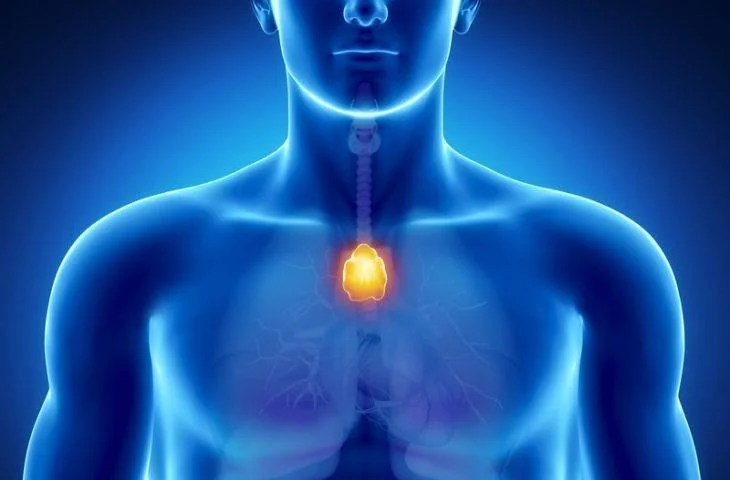
The thymus has a role in immune-cell development and may contribute to the abnormal immune response in MG. Thymectomy can improve control in selected patients. A thymoma generally requires assessment for removal, while some patients without a thymoma also benefit. A large thymus alone is not the only criterion, and the operation is not suitable for every MG subtype.
Two main access approaches are:
- Open thymectomy: The breastbone is divided through a sternotomy to access the thymus. Recovery can take longer because the bone must heal.
- Minimally invasive thymectomy: VATS or robotic instruments reach the thymus through small incisions. This may reduce pain and support recovery when the required removal can be completed safely.
Some patients improve over the longer term and may eventually need less medication. Treatment changes should be supervised by the neurologist, since benefit is not immediate or universal.
2. Plasma exchange
Plasma exchange, often referred to as plasmapheresis, is a non-surgical treatment used to reduce harmful circulating antibodies. It is particularly useful in selected severe or acute deteriorations. Blood passes through a machine that separates and removes plasma, replacing it with an appropriate fluid before returning blood components. It may be used before or after surgery when indicated.
3. Supporting the breathing muscles
Severe MG can weaken respiratory muscles and cause respiratory failure. Some patients need breathing support around surgery or during a crisis, including mechanical ventilation. New or worsening difficulty breathing or swallowing requires urgent medical assessment.
Risks and complications
Thymectomy has potential risks, including:
- Infection: Wound or chest infection may occur. Recovery after open surgery may take longer.
- Bleeding: This can occur during or after the operation.
- Breathing problems: Particularly important when respiratory muscles are already weak; a myasthenic crisis may require intensive care.
- Variable recovery: The course depends on general health, the surgical approach and MG severity. Follow-up is needed for both surgical healing and neurological treatment.
Related conditions and procedures
Further reading on this topic
The following articles cover diagnosis, treatment planning and recovery in more detail.
- A Turning Point in Myasthenia Gravis Treatment: What Is Thymectomy and Who Is It For?
- Who Can Benefit from Thymectomy? Age and Disease Duration in Myasthenia Gravis and Thymoma
- Life After Thymectomy: Recovery Stages and Its Effect on Myasthenia Gravis
Sources and further reading
These resources provide general background on this topic; they do not replace an individual medical assessment.