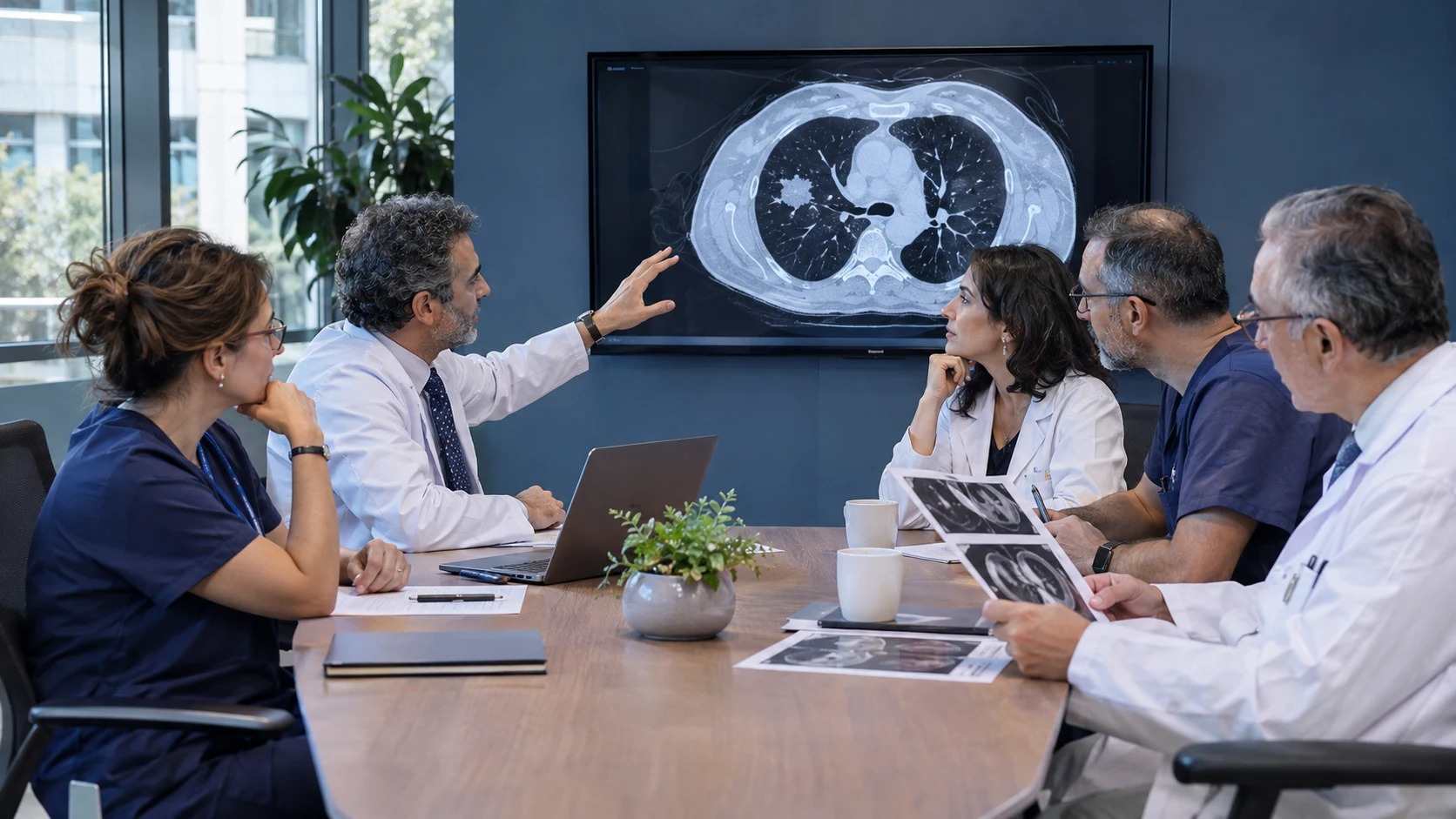
Is robotic lung surgery suitable for you?
Robotic surgery allows a surgeon to operate through small incisions. The robot does not operate on its own. It is not suitable for everyone; the priority is a safe and adequate treatment for your condition.
Related videos and posts
The linked Instagram content is in Turkish.
The process at a glance
- Assess suitability: Images, any biopsy results, breathing capacity and previous treatments are reviewed.
- Choose an approach: The roles of robotic surgery, video-assisted thoracoscopic surgery (VATS) and open surgery in your case are discussed.
- Surgery and recovery: The operation, possible conversion to open surgery, chest drain care and follow-up after discharge are planned individually.
What can we clarify at your consultation?
We can discuss why an approach is proposed, how much lung tissue may need to be removed and what to expect during recovery. In lung cancer treatment, the approach is considered alongside the stage and treatment goals.
Please bring: Available CT and PET images, biopsy results, breathing tests and previous surgery or treatment records.
Appointments: Book through the hospital or ask for information on WhatsApp.
Your treatment plan is based on an examination and your results.
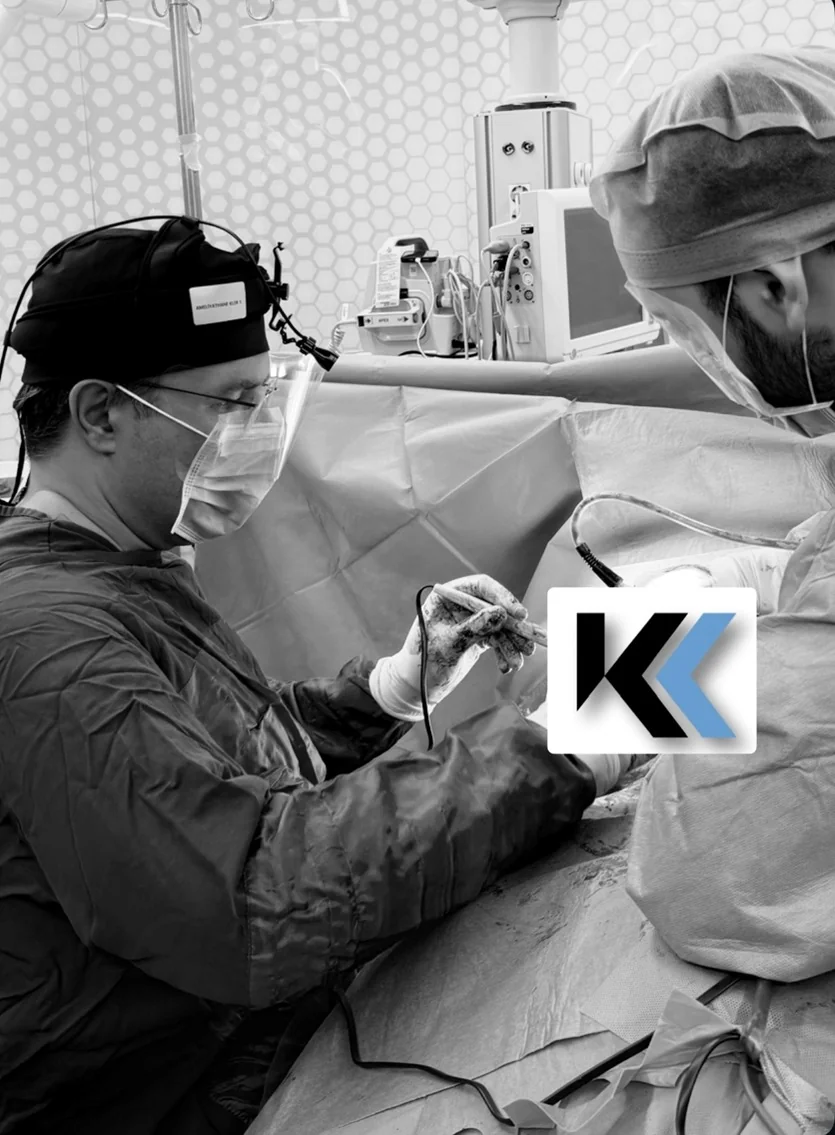
Prof. Dr. Kemal Karapınar explains
Watch a short explanation about this topic. Videos are in Turkish.

Read detailed medical information and sources
What is robotic thoracic surgery?
Robot-assisted thoracic surgery (RATS) is a minimally invasive technique in which the surgeon controls a camera and instruments from a console to operate through small incisions in the chest. The robot does not operate independently; the surgeon directs every movement.
Which conditions can be treated?
In selected patients, robotic assistance may be used for lung cancer lobectomy or segmentectomy, removal of some mediastinal masses and other thoracic procedures. Suitability depends on disease stage, imaging and the patient's overall condition rather than the technology alone.
Robotic surgery for lung cancer
The aim is to remove diseased tissue according to oncological principles and assess the appropriate lymph nodes. Robotic assistance can help perform these steps through small incisions in selected patients. Choosing between segmentectomy and lobectomy in early-stage disease depends on tumour characteristics and oncological assessment. Locally advanced disease and surgery after neoadjuvant therapy require individual planning.
Learn about lung cancer surgery
RATS compared with VATS
Both are minimally invasive thoracic approaches. Robotic systems provide magnified three-dimensional vision and articulated instruments; VATS uses a camera and thoracoscopic instruments. Neither method is universally safer or superior. Surgeon experience, disease characteristics and available facilities matter.
Benefits, limitations and risks
For suitable patients, smaller incisions may contribute to less postoperative discomfort and shorter hospital stays, but these outcomes are not guaranteed. Robotic surgery is not appropriate for everyone, and conversion to open surgery may be required. Risks include bleeding, infection, prolonged air leak, cardiac arrhythmia and respiratory complications.
Assessment and recovery
Preoperative planning may include imaging, lung function tests, assessment of other medical conditions and review at a multidisciplinary thoracic tumour board. After treatment such as chemotherapy or immunotherapy, disease response and suitability for an operation are reassessed when considering surgery after neoadjuvant treatment. Early mobilisation, pain management, breathing exercises and follow-up are important after surgery. Recovery varies with the operation and the individual.
How is suitability for robotic surgery assessed?
Planning addresses two separate questions: can the disease be treated surgically, and can the person's lungs and overall health tolerate the proposed operation? Small incisions do not remove the breathing-related consequences of taking out lung tissue. Age alone does not determine suitability; daily activity and other medical conditions also matter.
Chest CT, PET-CT when appropriate, pathology and lymph node assessment help establish disease extent. Tests may include spirometry, DLCO to assess gas transfer, and exercise testing in selected patients. Not everyone needs every investigation. Previous chest operations, adhesions or treatment such as chemotherapy and immunotherapy may affect the plan without automatically ruling out robotic access in every case.
Are lobectomy, segmentectomy and robotic surgery the same thing?
No. Lobectomy removes a lung lobe, while segmentectomy removes an anatomical segment within a lobe. Robotic surgery describes the approach used to perform an operation. The same resection may be possible through robotic, VATS or open access in a suitable patient. Finding a small nodule does not automatically mean robotic surgery is needed; the first decision is whether it requires monitoring, biopsy or surgical assessment.
In cancer surgery, adequate margins and appropriate lymph node evaluation matter regardless of incision size. Removing less lung is not appropriate for every tumour, and a wider resection does not automatically provide better cancer control.
What happens on the day of surgery and in hospital?
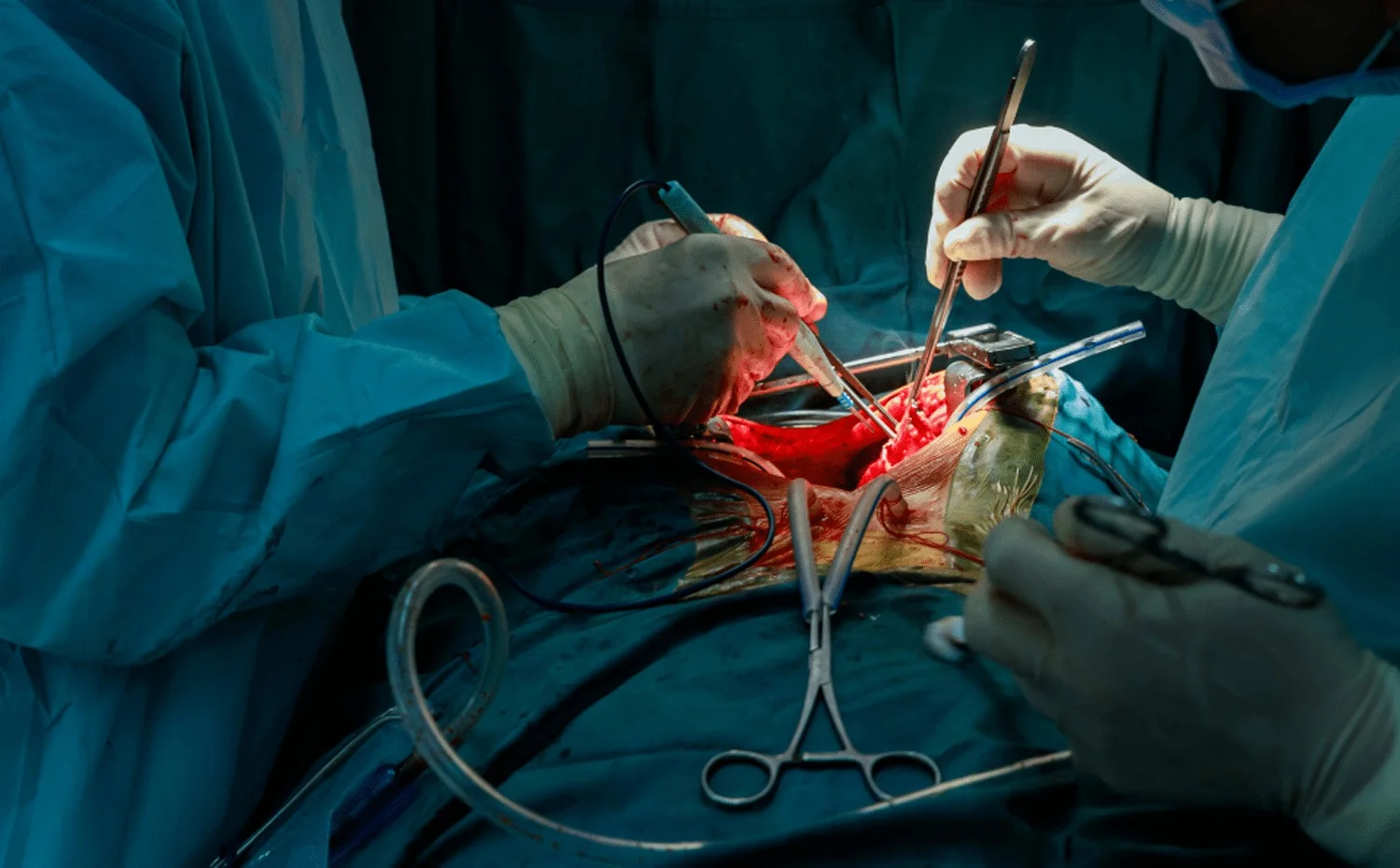
The operation takes place under general anaesthesia. While the surgeon works at the console, the anaesthetic and operating teams remain beside the patient. Removed tissue is sent for pathology. A chest drain may be placed to remove air and fluid. Operating time, the number of incisions and drain removal depend on the procedure; there is no timetable that applies to everyone.
Unexpected bleeding, inadequate visibility or tumour characteristics may require conversion to open surgery. This decision supports safety and an appropriate resection; conversion alone does not mean that the operation has failed.
Going home and follow-up
Discharge planning considers pain control, breathing, mobility and any need for a drain. Short walks, recommended breathing exercises and wound care continue at home. Ask for individual advice about driving, lifting and returning to work. Small incisions do not guarantee a pain-free recovery.
Pathology, tumour type, lymph nodes and surgical margins help guide subsequent treatment. Using a robot does not mean that further cancer treatment will be unnecessary. Sudden marked breathlessness, severe chest pain or substantial coughing of blood requires emergency care. Contact the treatment team about fever or increasing wound redness or discharge.
Questions to discuss at your appointment
- Which resection is proposed for me, and why?
- Which features affect the choice between robotic, VATS and open access?
- Might the plan change during surgery, including conversion to an open operation?
- How will my breathing, hospital stay and home-care needs be assessed?
- When and at which follow-up appointment will we discuss pathology?
This information is not an individual recommendation for surgery. For an assessment in Istanbul, visit the contact page for appointment information and discuss suitable options with Respiratory Medicine and Thoracic Surgery specialists.
Sources
- American Lung Association — Robotic Thoracic Surgery
- AATS — VATS Lung Surgery
- ERS/ESTS — Guideline on fitness for curative intent treatment of lung cancer
- Leeds Teaching Hospitals — Recovery after lung surgery