
Related videos and posts
The linked Instagram content is in Turkish.
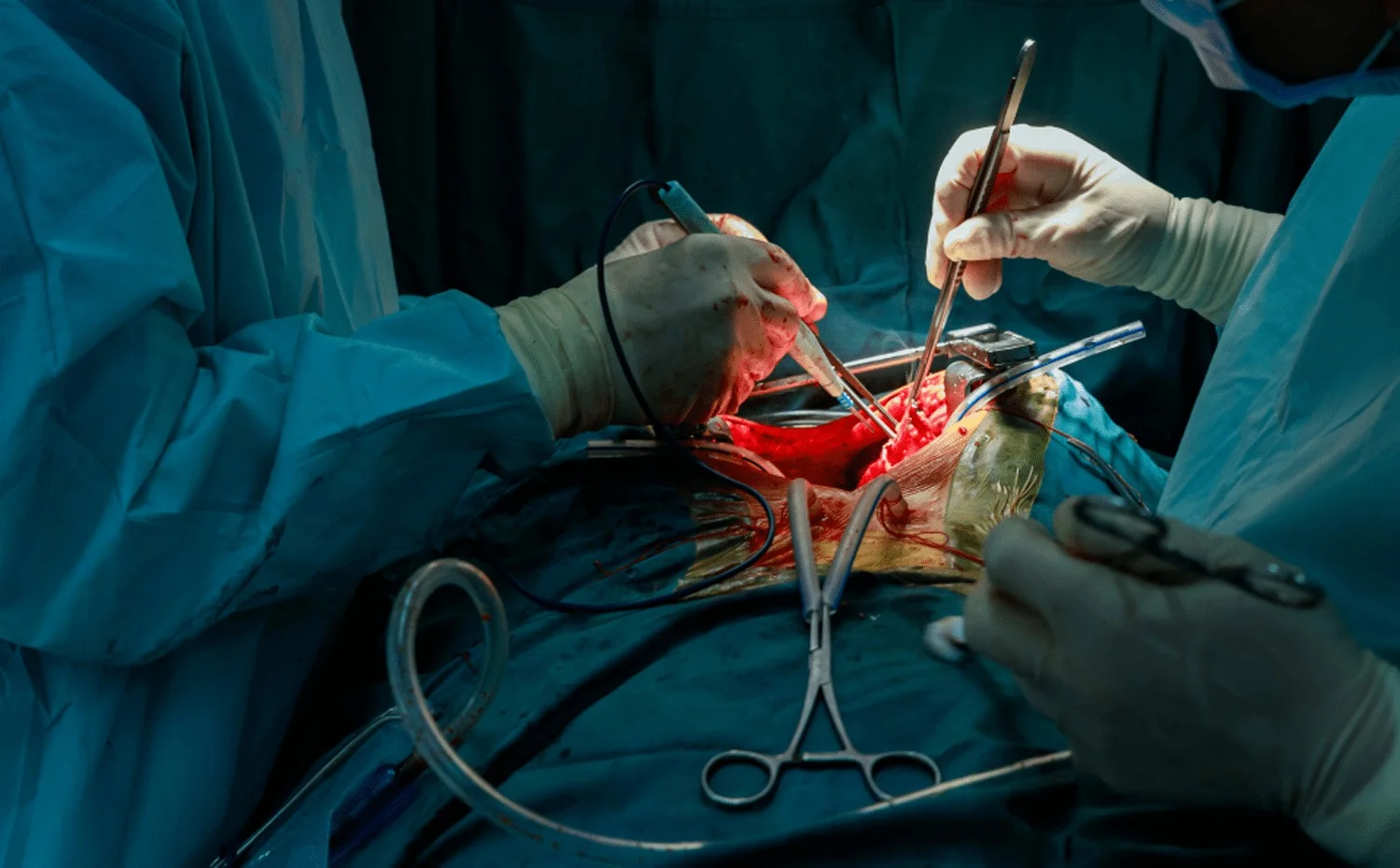
Lung cancer remains a major health concern worldwide. During this difficult time, many patients hope that an operation can remove the disease completely. Lung cancer surgery is a particularly important treatment in the early stages, when it can offer the possibility of cure. However, it is more than an operation: it is a journey involving detailed preparation, careful surgery and a structured recovery programme.
For the broader clinical context, see Lung Cancer: Symptoms, Treatment and Surgery. The Robotic Thoracic Surgery page explains that surgical approach separately.
This article explains that journey in clear, approachable language. It covers how the decision to operate is made, modern surgical techniques, what to expect afterwards and long-term quality of life.
Why Is Lung Cancer Surgery Needed, and Who Is It Suitable For?
Surgery aims to remove cancerous tissue completely. When the tumour is still confined to the lung, it offers an important opportunity to eliminate the disease. The surgeon removes the tumour with a margin of surrounding healthy tissue and assesses or removes nearby lymph nodes. These steps are important for reducing the risk of the cancer returning.
However, lung cancer surgery is not appropriate for every patient. The decision depends on general health, the tumour's size and location, and the cancer's stage. The team assesses whether the patient can tolerate the operation and whether the remaining lung will provide adequate breathing capacity afterwards.
Important Factors in the Decision to Operate
A key consideration is cardiopulmonary reserve: how well the heart and lungs function. Breathing tests before surgery help show whether enough capacity will remain after removing a lobe, or occasionally an entire lung, in an operation called pneumonectomy. These tests are especially important for people with conditions such as chronic obstructive pulmonary disease (COPD). Heart health is also assessed to determine how well it can withstand the stress of surgery and recovery. Surgery is mainly considered for localised disease. If cancer has spread to other organs or distant lymph nodes, treatment generally shifts towards chemotherapy, radiotherapy or targeted treatments. Considering all these factors together helps the team choose the most beneficial treatment for the individual.
Preparing for Lung Cancer Surgery
The outcome of surgery depends partly on the preparation beforehand. This period provides an opportunity to improve physical fitness and reduce the risk of complications. Preparation also includes emotional and psychological support, since uncertainty and the prospect of an operation can be stressful. A careful plan forms the foundation for recovery after lung cancer surgery and may involve changes to diet, activity and other habits.
Improving Fitness and Breathing Capacity
Breathing exercises are an important part of preparation. Deep breathing and devices such as an incentive spirometer help maintain lung function and reduce the risk of problems such as pneumonia afterwards. Patients may start these exercises several weeks before surgery and should practise regularly. Physical activity also helps build strength and manage postoperative tiredness. Regular, manageable walks and gentle exercises, guided by doctors or physiotherapists, improve fitness. Stopping smoking and alcohol consumption, where applicable, is another important part of preparation. Stopping smoking supports lung healing and function after surgery. Together, these measures help the body cope with the operation.
Why Nutrition Matters Before Surgery
Good nutrition before and after surgery supports recovery. The body needs enough protein and calories to repair tissue and maintain immune function. Protein-rich foods include chicken, fish, eggs and pulses; fresh fruit and vegetables provide antioxidants and other nutrients. Adequate fluids are also important. Some patients may need vitamin or mineral supplements, including vitamin D or calcium when indicated for bone health. In the days before surgery, follow the anaesthetic team's instructions about when to stop eating and drinking. This preparation helps the body meet the demands of lung cancer surgery and recovery.
Types of Lung Cancer Surgery Used Today
The operation depends on the tumour's size and location and the patient's lung reserve. Surgical approaches aim to remove the cancer effectively while preserving as much healthy lung as possible. Options range from an open operation, called thoracotomy, to minimally invasive techniques. Each has particular advantages and uses. The choice takes account of the individual patient's circumstances and the surgeon's experience, with the goals of reducing recurrence and protecting quality of life.
Lobectomy: A Common Operation for Lung Cancer
The lungs are divided into lobes: three on the right and two on the left. Lobectomy removes the whole lobe containing the tumour. It is a standard, commonly performed operation for early-stage lung cancer. It aims to remove the cancer completely but also removes some healthy lung tissue. The remaining lobes can expand and increase their contribution over time, compensating for part of the lost function. Many patients therefore retain enough breathing capacity for everyday activities. Lobectomy is an established operation for lung cancer surgery and usually includes removal of regional lymph nodes, called lymph node dissection.
Segmentectomy and Wedge Resection: Lung-Sparing Operations
Segmentectomy and wedge resection remove less than a whole lobe. A wedge resection removes a small wedge-shaped area containing the tumour and a margin of healthy tissue, usually for a small, outer lung lesion. Segmentectomy removes a defined anatomical segment within a lobe. These lung-sparing forms of lung cancer surgery may be considered for very small, early-stage tumours or when breathing capacity would not support lobectomy. Their main advantage is preserving more healthy lung and limiting the impact on breathing. Selection must still take account of tumour behaviour and the extent of removal needed to treat the cancer adequately.
Pneumonectomy: Removing an Entire Lung
Pneumonectomy removes one whole lung when the tumour's size or central position makes removal by lobectomy impossible. It is the most extensive of these operations and has the greatest effect on breathing capacity. Before recommending it, the team carefully assesses whether one remaining lung will support an acceptable quality of life. Breathing tests are central to this assessment. Recovery is usually longer and more demanding than after smaller operations. In some circumstances, however, this may be the only surgical way to remove the cancer completely. The space left in the chest gradually fills with body fluid and scar tissue and stabilises.
VATS and Robotic Surgery: Minimally Invasive Approaches
Video-assisted thoracoscopic surgery (VATS) and robotic surgery have become important alternatives to open surgery, or thoracotomy. Instead of a large incision, the surgeon uses a camera and specialised instruments through several small chest-wall incisions, called ports. In appropriate patients, these approaches have several advantages over open surgery.
Potential benefits of minimally invasive lung cancer surgery include:
Less pain: Smaller incisions can reduce postoperative pain.
Faster recovery: Hospital stays are often shorter and patients may return to activities sooner.
Smaller scars: Small incisions generally leave less noticeable scars.
Fewer complications in some settings: Less trauma to muscles and ribs can reduce certain postoperative risks.
Robotic surgery provides the surgeon with a magnified, three-dimensional view and instruments with a wide range of movement. This can assist delicate or technically demanding steps. For suitable patients, these minimally invasive approaches are increasingly important options in lung cancer surgery.
Recovery After Lung Cancer Surgery
Recovery begins immediately after the operation and is as important as the surgery itself. It includes wound healing, restoring breathing function and gradually returning to daily life. The pace varies with the operation, age and general health. Patients having minimally invasive surgery are often discharged within 3–7 days; larger open operations, especially pneumonectomy, may require 7–10 days. Patience, regular effort and following the team's instructions are important throughout recovery.
The First Days: Monitoring and Pain Relief in Hospital
Patients are closely monitored in the first days, particularly for pain and breathing. Some pain is expected, but modern approaches such as epidural catheters and patient-controlled pain relief can control it effectively. Good pain relief makes breathing and breathing exercises easier. Chest tubes drain air and fluid and are removed when air leakage has stopped and drainage has reduced sufficiently. Nurses and the surgical team encourage sitting up, standing and walking as early as appropriate. Early movement helps reduce blood-clot risk and supports lung function.
The Role of Breathing Exercises After Surgery
Breathing exercises are central to recovery. The effects of surgery on the lung and chest wall may lead to shallow breathing, increasing the risk of atelectasis, where part of the lung does not expand fully, or pneumonia. Exercises help reduce these risks and support the remaining lung.
Basic exercises include:
Deep breathing: Breathe in slowly and deeply, allowing the abdomen to expand. Hold briefly, then breathe out slowly through the mouth. This helps ventilate the lower parts of the lungs.
Supported coughing: Effective coughing helps clear secretions. Supporting the incision with a pillow or hand can make coughing more comfortable.
Using an incentive spirometer: This device provides visual feedback about the depth of each breath and encourages deeper inhalation.
These exercises support lung function and help prevent infection after lung cancer surgery. Continue them regularly after discharge as instructed.
Going Home and Returning to Daily Life: A Timeline
Recovery continues for several weeks at home. Many patients resume light daily activities within 2–4 weeks, while returning to work and usual fitness may take 4–8 weeks. Timing depends on the operation—recovery is often faster after minimally invasive surgery—and the patient's general health.
At home, pay attention to:
Rest: Prioritise sleep and rest for healing, while avoiding complete inactivity.
Gentle activity: Short walks around the home support circulation and energy levels. Avoid heavy lifting, often more than 2–4 kg, and sudden movements that strain the chest for at least 6–8 weeks, according to your team's advice.
Wound care: Keep the wound clean and dry. Watch for redness, swelling or discharge.
Showering and bathing: Showering is often possible after drains are removed, but avoid swimming or soaking the wound in a bath until advised.
Nutrition: Continue a balanced diet with adequate protein. Fibre and fluids help prevent constipation.
Be patient and pay attention to how your body responds. Increase activity gradually without overexerting yourself.
Long-Term Quality of Life After Lung Cancer Surgery
Many patients continue their lives without a major long-term reduction in quality of life after successful surgery. Breathlessness, a common concern, often improves as the remaining lung adapts, particularly after lobectomy. Tiredness and breathlessness on mild exertion in the first months can improve substantially over 6–12 months. Some patients regain a level of breathing performance close to their preoperative baseline.
Regular exercise is important for long-term wellbeing. Walking, gentle jogging or yoga, when appropriate, can support cardiovascular fitness and endurance. Remaining smoke-free is particularly important for protecting health. Regular follow-up is also essential to look for recurrence and manage late complications. Surgery is a turning point; informed decisions afterwards support a return to a full, active life.
Frequently Asked Questions
Here are common questions about lung cancer and lung cancer surgery.
1. Can Lung Cancer Return After Surgery?
Yes. Removing a tumour does not guarantee that the cancer will never return. Recurrence risk depends especially on the stage before surgery. It is lower in early-stage disease, particularly stage I, and generally rises with more advanced disease. Cancer may return locally or spread to distant organs such as the brain, bones or liver. Additional treatment after surgery, known as adjuvant treatment, may include chemotherapy or radiotherapy to reduce this risk. Follow-up imaging, including CT and PET/CT when indicated, helps identify recurrence so that further treatment can be considered.
2. Will I Have Permanent Breathing Problems?
Some loss of breathing capacity can be permanent after an extensive operation such as pneumonectomy. Lasting breathlessness that significantly affects quality of life is less common after smaller resections such as lobectomy or segmentectomy. The remaining lung adapts over time and contributes more to breathing. Patients with good lung capacity and no chronic respiratory disease may return to everyday activities, including gentle exercise, within several months. Breathing exercises and physical activity support this adjustment.
3. How Do Minimally Invasive and Open Operations Differ?
The main difference is the size of the incision and how the surgeon reaches the chest. Open surgery, or thoracotomy, uses a longer incision between the ribs. VATS and robotic surgery use a camera and instruments through 1–4 small incisions. Minimally invasive approaches often mean less pain, shorter hospital stays—commonly 3–5 days—faster recovery and smaller scars. Open surgery may be more suitable depending on the tumour's size, location or involvement of surrounding structures. Both approaches aim to achieve the same adequate removal of cancerous tissue.
4. How Long Does Pain Last, and How Is It Treated?
Pain may be most noticeable in the first few days and comes from the incision and chest tubes. Discomfort can continue for 2–4 weeks, depending on the operation, and usually becomes less intense. Hospital treatments may include epidurals, nerve blocks or patient-controlled analgesia (PCA) pumps. Continue prescribed pain medicine after discharge as instructed. Pain relief helps patients breathe deeply and cough, supporting recovery as well as comfort.
5. When Can I Return to Work?
Timing depends on the operation and the type of work. People with light or desk-based jobs may return within 1–3 weeks after minimally invasive surgery. After thoracotomy, or for physically demanding work, 6–8 weeks may be needed. The incision must heal and lifting restrictions must be lifted by the team. A gradual return without overexertion is usually the most sensible approach; full recovery takes time.
6. How Important Is Stopping Smoking Before Surgery?
Stopping smoking is a particularly important step before and after lung cancer surgery. Smoke impairs healing in the lungs and airways and increases the risk of pneumonia and wound infection. Stopping at least two weeks before surgery begins to improve lung function around anaesthesia and surgery; stopping earlier provides greater benefit. Continuing to smoke also increases the risk of further cancer problems. Quitting is one of the most important decisions you can make for your health.
7. What Should I Eat After Surgery?
Nutrition supports tissue repair and recovery after lung cancer surgery.
Prioritise protein: Fish, chicken, meat, eggs, dairy foods and pulses provide protein for wound healing, tissue repair and immune function.
Meet energy needs: Healing uses energy. Healthy fats such as olive oil and avocado, and complex carbohydrates such as whole grains, help provide adequate calories.
Drink enough fluids: Water and suitable drinks help prevent dehydration and thin mucus, making it easier to cough up.
Include fibre: Pain medicines may cause constipation. Vegetables, fruit and whole grains support bowel function.
Try small, frequent meals: Appetite may be reduced or large portions uncomfortable at first. Smaller, nourishing meals more often may be easier.
Sources and further reading
These resources provide general background on this topic; they do not replace an individual medical assessment.