What is extended surgery?
In thoracic surgery, extended surgery generally means a resection beyond a standard lobectomy, most often for lung cancer. The term does not describe one specific operation. The exact procedure and its extent should be explained for each patient.
For the broader clinical context, see Lung Cancer: Symptoms, Treatment and Surgery.
A standard lobectomy removes one lobe of the lung. In selected patients whose tumour has grown into nearby structures, those tissues may need to be removed as well. The aim is to remove the tumour completely with clear surgical margins when this is appropriate and feasible.
Which additional structures may be removed?
Depending on the tumour's location, an operation may include the chest wall and ribs, diaphragm or pericardium, the sac around the heart. Selected cases may also require removal and reconstruction of part of a bronchus or blood vessel. Repair or reconstruction supports the function of the structures removed and restores chest wall stability when needed.
Extended surgery does not necessarily mean removal of an entire lung. Preserving functioning lung tissue is an important aim where possible. The team considers both the chance of complete tumour removal and whether the patient can tolerate the operation.
Who may be suitable?
Not everyone with locally advanced lung cancer is suitable. Decisions consider:
- The tumour's relationship to adjacent structures and the likelihood of complete removal
- Lymph node involvement and any distant spread
- Lung function, heart health and other medical conditions
- The response to treatment given before surgery, when applicable
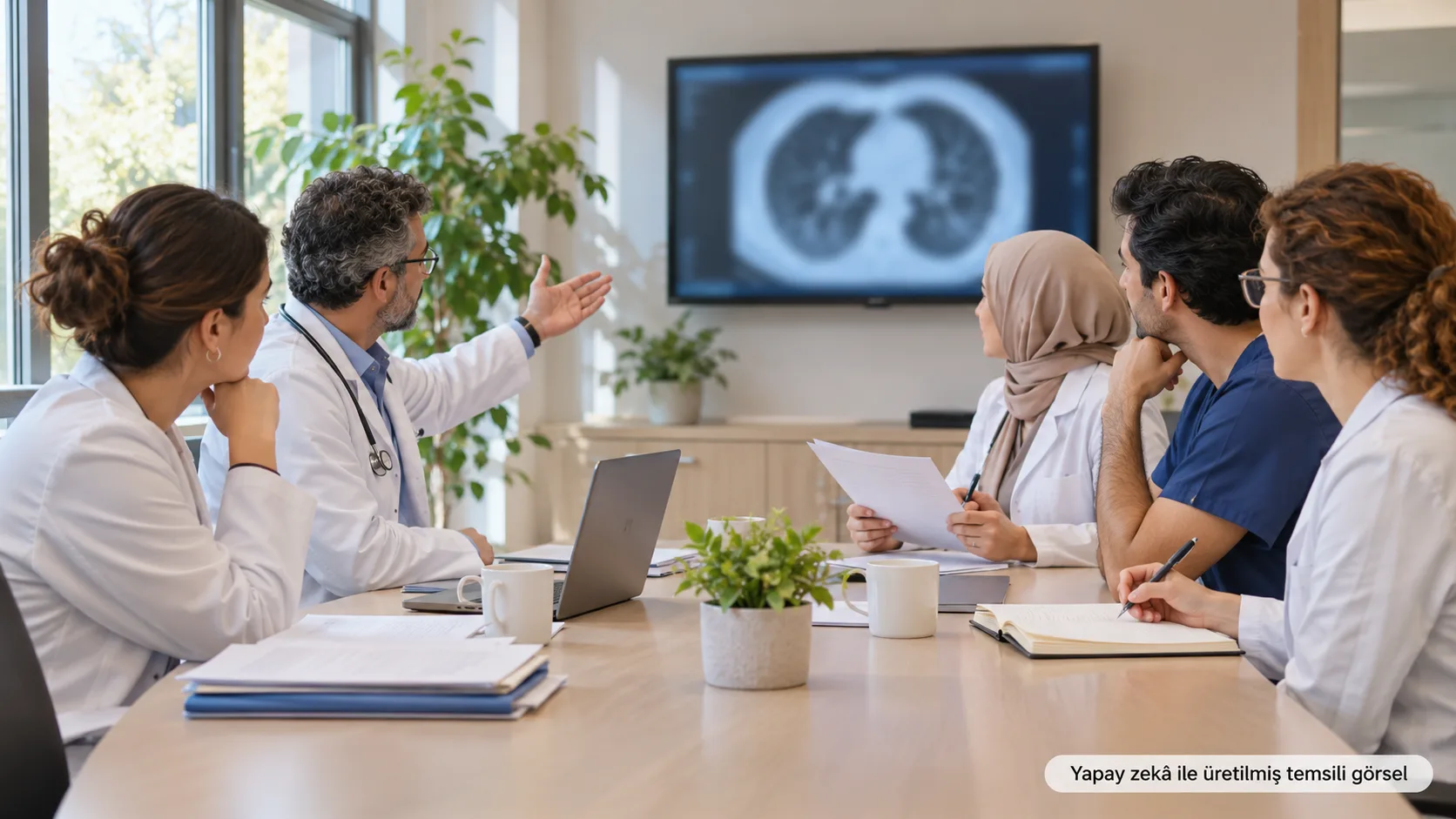
A multidisciplinary meeting involving thoracic surgery, medical oncology, radiation oncology and other relevant specialists develops the plan. Some patients receive neoadjuvant treatment, meaning treatment before the operation.
Approach and risks
Open surgery, VATS or robotic access may be used according to the extent of resection and the patient's circumstances. “Extended” describes how much tissue is removed, not which technology is used.
Possible risks include bleeding, infection, a prolonged air leak, abnormal heart rhythms and breathing problems. Individual risk is assessed before surgery, and outcomes vary between patients.
Follow-up
Pain control, early mobilisation, breathing exercises and, where needed, pulmonary rehabilitation support recovery. Time in hospital or intensive care depends on the operation and the patient's condition. The pathology findings help determine whether additional treatment is needed and guide follow-up.
Extended resection, sleeve surgery and pneumonectomy: what is the difference?
These terms do not describe the same operation. A sleeve resection removes an involved section of bronchus and reconnects the remaining airway. Some patients also need vascular reconstruction. When suitable, this can treat the affected area without removing an entire lung. A pneumonectomy removes the whole lung on one side. A sleeve operation does not necessarily remove more lung tissue, and an extended resection is not necessarily a pneumonectomy.
When a tumour directly invades the chest wall, involved ribs and surrounding tissue may be removed together with the affected lung. In selected patients, an involved part of the diaphragm or pericardium may also be removed and repaired. Operations involving vessels or other important structures require more specialised assessment. These examples do not mean that every tumour appearing close to a structure on a scan needs such an operation.
The goal of complete removal: what does R0 mean?
R0 means that no microscopic tumour is found at the surgical resection margins. Planning aims towards this goal, but operative findings and pathology are important in establishing the final result. An R0 resection cannot guarantee that cancer will never return. A larger operation alone does not mean a better outcome; potential benefit and risk must be weighed together.
Why assess both cancer stage and breathing capacity?
Whether a tumour can technically be removed and whether a person can tolerate the operation are separate questions. CT and, when appropriate, PET-CT assess disease extent. Lymph nodes may need EBUS, another sampling procedure or surgical staging. Distant spread and lymph node findings can change the treatment plan. Imaging does not always establish the definitive stage by itself.
Lung function testing, DLCO, predicted remaining lung function and exercise assessment when needed form another part of planning. Heart disease, nutrition, frailty and daily activity also matter. Tell the team about medicines and previous treatments; do not stop medicines without clinical advice.
Treatment before surgery and non-surgical options
Selected patients with non-small cell lung cancer may receive a plan involving chemotherapy, immunotherapy or radiotherapy before an operation. Imaging and surgical suitability are reassessed afterwards. Tumour shrinkage does not automatically mean that surgery is feasible or necessary. See surgery after neoadjuvant treatment for more detail.
Non-surgical treatment may be preferable when complete removal is unlikely or the burden of surgery outweighs its expected benefit. Multidisciplinary review considers surgery, medicines and radiotherapy as possible parts of an individual treatment plan rather than competing options. The guide to surgery for locally advanced lung cancer provides further context.
Reconstruction, risks and home care: points to discuss
Chest wall or diaphragm repair and airway or vessel reconstruction have different risks. Depending on the procedure, specific complications can include healing problems at a join, airway narrowing or vessel blockage. An individual's risk cannot be calculated from the operation's name alone. Margins and pathology also influence additional treatment and follow-up.
Before discharge, clarify wound care, pain medicines, activity limits, nutrition and review dates. Intensive-care needs and return to work are planned individually. Sudden marked breathlessness, severe chest pain, fainting or substantial coughing of blood requires emergency care. Contact the treatment team about new fever or wound discharge.
Ask about the exact operation proposed, which tissues would be removed, reconstruction, non-surgical alternatives and expected breathing afterwards. This information is not an individual treatment recommendation. Consult Respiratory Medicine and Thoracic Surgery specialists for assessment. Istanbul hospital and appointment information is on the contact page.