
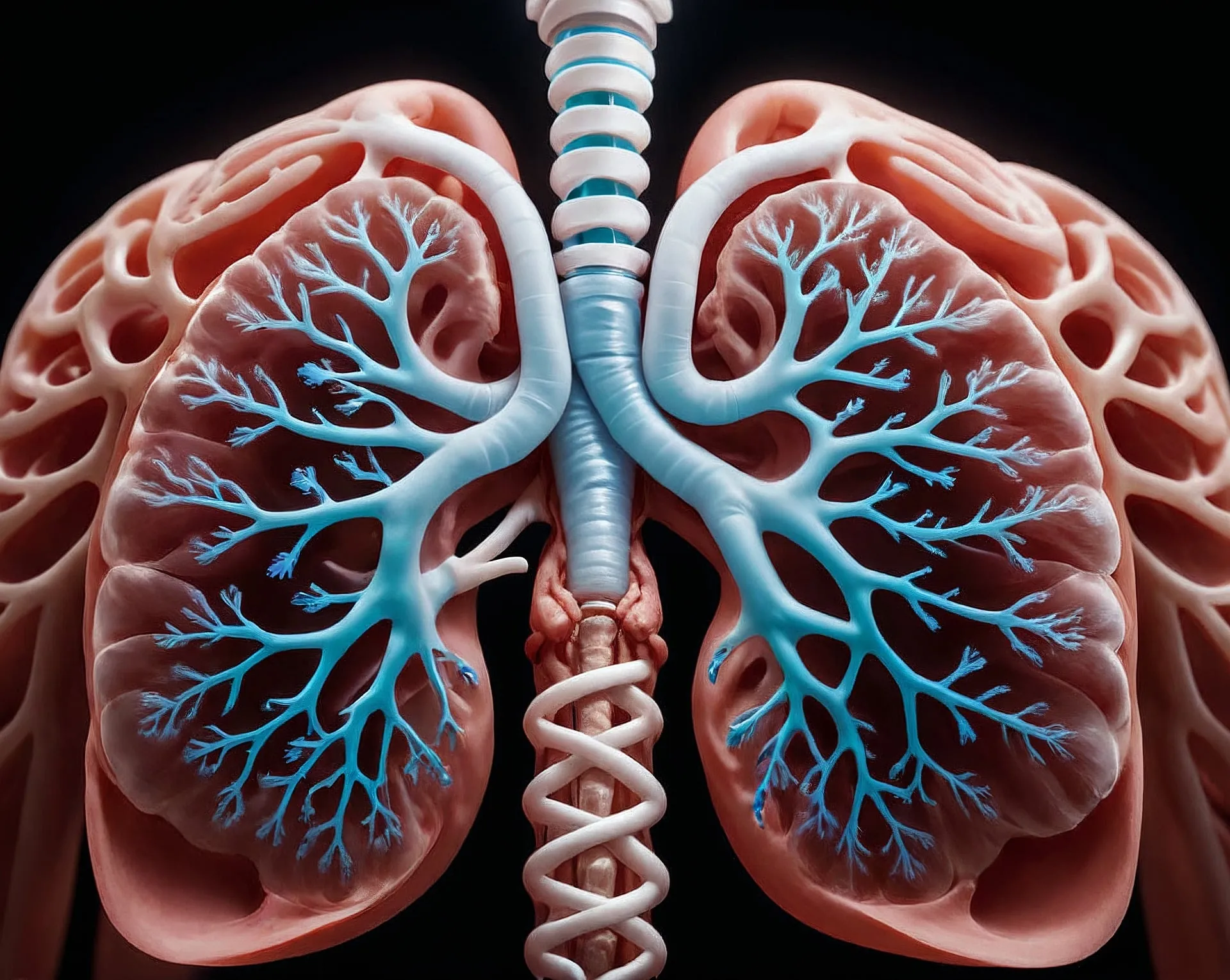
Lung cancer is classified into stages to describe how far it has spread. There is no medically recognised “stage 5 lung cancer”. The numbered stages are generally stage 0, stage 1, stage 2, stage 3 and stage 4. The most advanced is stage 4, which includes distant spread and certain patterns of spread within the chest, such as cancer involving the opposite lung or malignant pleural disease.
Related videos and posts
The linked Instagram content is in Turkish.
For the broader clinical context, see Lung Cancer: Symptoms, Treatment and Surgery.
Patients or relatives sometimes use “stage 5” to describe very advanced illness, fewer treatment options or concern about limited survival. This article explains advanced, or stage 4, lung cancer.
- 1. What does “stage 5” usually mean?
- 2. Symptoms of stage 4 disease
- 3. Treatment options
- 4. Survival and outlook
- 5. Supporting quality of life
- Frequently asked questions
1. What does “stage 5” usually mean?
The term usually refers informally to stage 4, although it is not a valid stage. Stage 4 means the cancer has a metastatic pattern. Sites may include:
- Brain
- Liver
- Bones
- Adrenal glands
- The opposite lung, or malignant involvement of the pleura or fluid around the lung
At this stage, treatment usually aims to control the disease, relieve symptoms and extend life rather than achieve a cure. Selected patients with a very limited pattern of spread may be considered for additional local treatment.
2. Symptoms of stage 4 disease
Possible symptoms include:
- A severe, persistent cough
- Blood in sputum, called haemoptysis
- Breathlessness or difficulty breathing
- Unexplained weight loss
- Severe fatigue and weakness
- Chest, back, shoulder or bone pain
- Hoarseness or difficulty swallowing
- Repeated lung infections, such as pneumonia or bronchitis
- Headache, blurred vision, balance problems or memory changes if the brain is affected
Concerning symptoms should be assessed by a doctor. Severe breathlessness, significant bleeding or new neurological symptoms require urgent help.
3. Treatment options
Treatment aims to maintain or improve quality of life and, where possible, extend survival. The plan considers general health, the pattern of spread, cancer type and molecular features.
a) Chemotherapy
- Used to kill cancer cells or slow their growth.
- Possible side effects include nausea, hair loss and reduced resistance to infection.
b) Immunotherapy
- Helps the immune system recognise and attack cancer.
- PD-L1 testing may guide the choice, but suitability also depends on the regimen and other tumour features. It is not restricted to PD-L1-positive disease in every treatment setting.
c) Targeted therapies
- Selected according to specific molecular alterations in the tumour.
- Can be effective when a relevant target, such as an EGFR mutation, ALK rearrangement or ROS1 fusion, is present.
d) Radiotherapy
- Can shrink or control tumours in the lung or metastatic sites and relieve symptoms.
- Brain metastases may be treated with an appropriate form of brain radiotherapy, depending on their number, size and other factors.
e) Palliative care
- Pain treatment, support for breathlessness and psychological care can improve comfort. Palliative care can be provided alongside active cancer treatment, not only at the end of life.
4. Survival and outlook
Survival varies greatly between individuals. A single time estimate is not reliable for every patient.
- Without effective treatment, advanced lung cancer may progress quickly, but the course still varies.
- Chemotherapy, immunotherapy and targeted medicines can extend survival in eligible patients; responses may last months or years.
- Some patients receiving modern treatments live longer than five years, while others have a much shorter course.
General health, tumour type, molecular changes, disease burden and treatment response all influence the outlook. The treating team can provide a more meaningful individual discussion than an unsupported fixed range.
5. Supporting quality of life
- Pay attention to nutrition: Adequate protein and energy help maintain strength and normal body function.
- Stop smoking and discuss alcohol use: Stopping smoking supports health during treatment; the team can advise on alcohol and medicine interactions.
- Remain active as appropriate: Gentle walks can help maintain function when symptoms and fitness allow.
- Seek psychological support: Support can benefit both the patient and family.
- Report side effects: The team may adjust treatment or offer medicines and practical measures to help.
Frequently asked questions
1. Can stage 4 cancer be cured?
It is generally not considered curable, but treatment may extend life and improve quality of life. A small group with limited spread may be considered for intensive local and systemic treatment after multidisciplinary assessment.
2. How long do patients live?
This depends on health, tumour biology and response to treatment. Some people receiving immunotherapy or targeted medicines live longer than five years, but this is not a prediction for any individual.
3. How is pain managed?
Pain medicines, radiotherapy and palliative care techniques can be used according to the cause and severity of pain.
4. Is lung cancer inherited?
Inherited factors can influence risk, but many genetic changes found in tumours are acquired rather than inherited. A family history warrants discussion of risk with a clinician; it does not automatically mean everyone needs regular screening. Screening eligibility depends on recognised risk criteria.
5. Can alternative medicine treat lung cancer?
Herbal and other alternative methods do not replace effective medical treatment. Some complementary approaches may help symptoms, but products and interactions should be reviewed by the treating team.
“Stage 5 lung cancer” is not a medical term. Stage 4 care focuses on disease control, longer survival where possible and quality of life. Personalised treatment and supportive care are important throughout the process.
For further information or an appointment, you can contact the practice.
Sources and further reading
These resources provide general background on this topic; they do not replace an individual medical assessment.