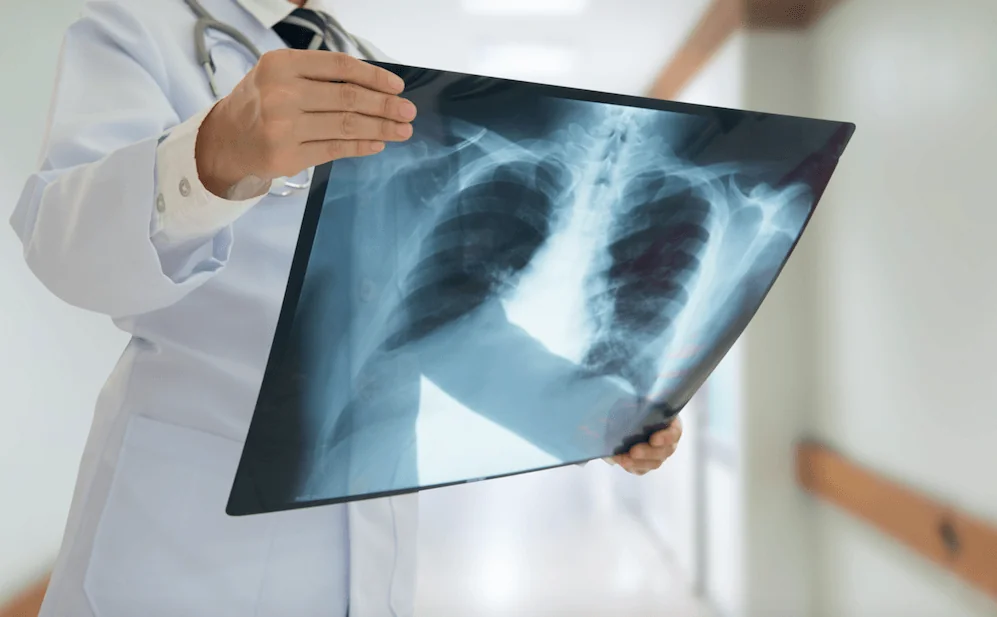
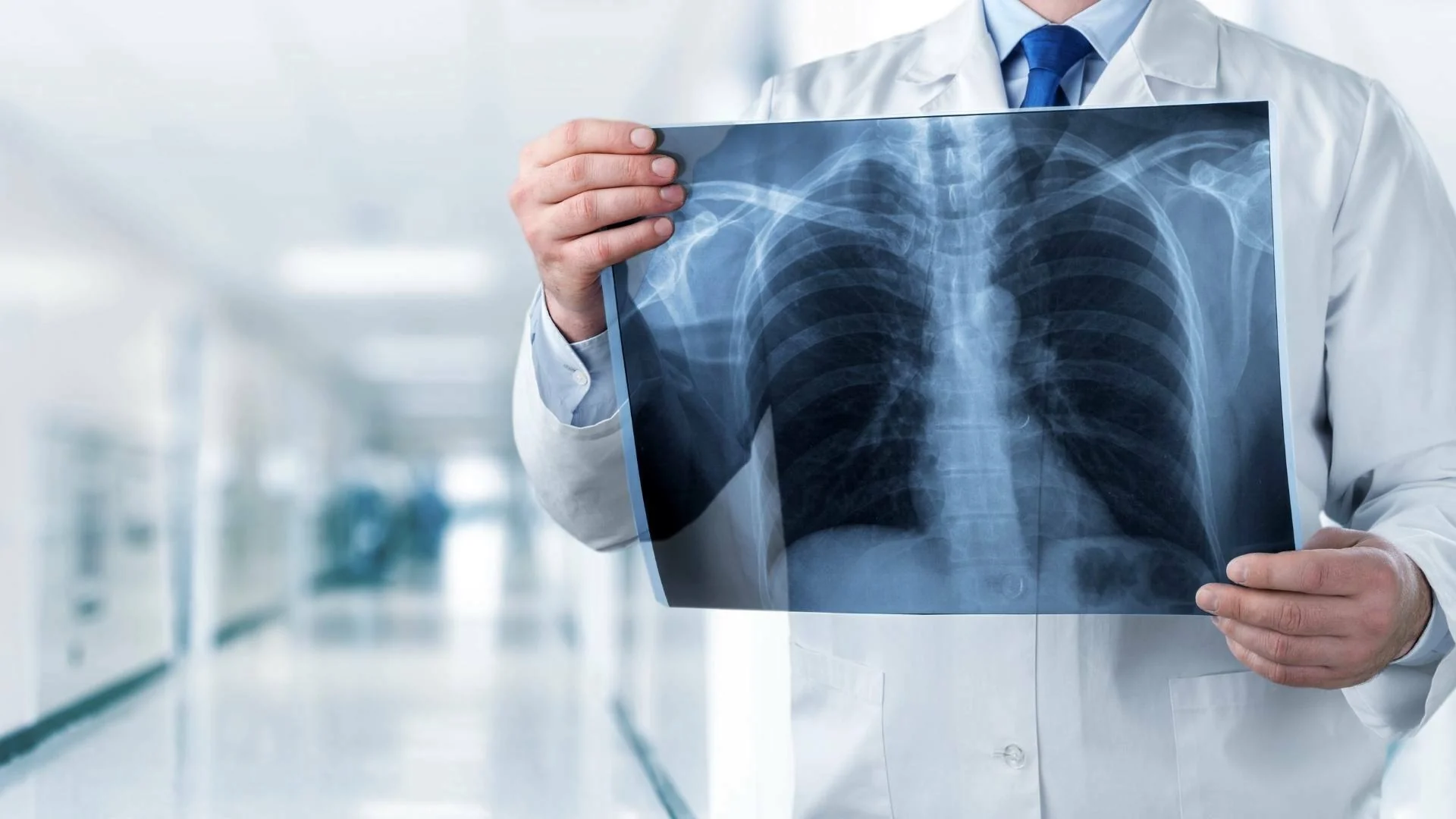
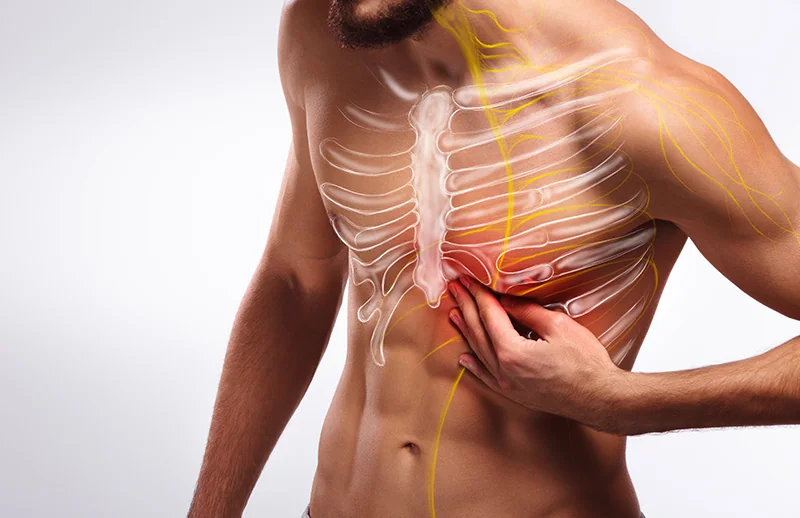
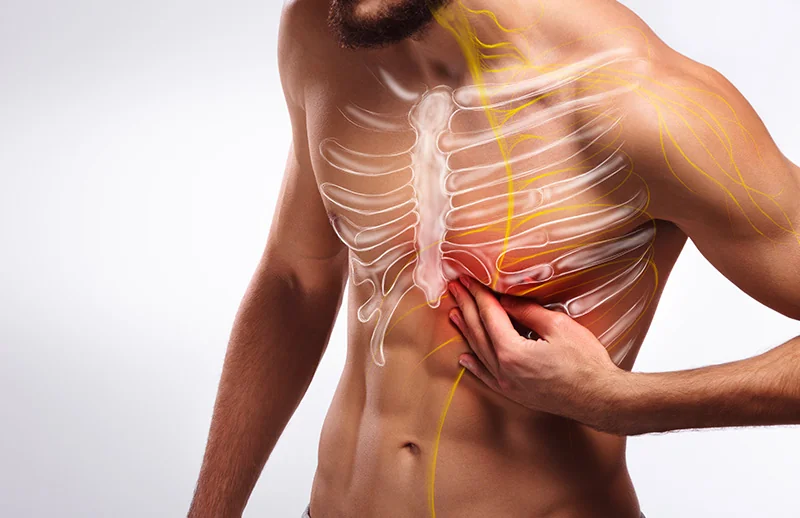
Post-traumatic rib fixation is a treatment for selected rib fractures or displaced ribs following injury. Rib fractures commonly result from traffic collisions, falls, direct blows or workplace accidents. They can cause severe pain, breathing difficulty and, in some cases, life-threatening complications. This article explains what rib fixation involves, when an operation may be appropriate and how treatment is performed.
Related videos and posts
The linked Instagram content is in Turkish.
For the broader clinical context, see Chest Injuries.
What Is Rib Fixation After Trauma?
Rib fixation is an operation that holds selected broken ribs in a suitable position while they heal. Most rib fractures do not need an operation; they are managed with pain relief, breathing support and mobilisation. Surgical stabilisation is considered when the injury pattern or continuing symptoms make it appropriate.
Rib fractures can affect breathing. Severe pain may prevent deep breaths and adequate lung expansion, increasing the risk of atelectasis (partially collapsed air spaces) or pneumonia. Appropriate pain relief, breathing exercises and monitoring are therefore important whether or not surgery is used.
Rib Fractures and the Effects of Trauma
Rib fractures may be described as:
Closed rib fractures: The skin remains intact. These fractures may follow a blow to the chest, a traffic collision or a fall, often involving considerable force.
Open rib fractures: An associated skin wound communicates with the fracture. This may occur after penetrating trauma or, less commonly, when a bone fragment breaks through the skin.
Chest trauma may affect not only the ribs but also the lungs, heart or major blood vessels. These injuries require prompt assessment and treatment because serious complications are possible.
When Is Rib Fixation Considered?
Rib fractures can usually be treated without surgery, using pain relief, breathing exercises and appropriate activity. However, severe or displaced injuries may benefit from an operation. Circumstances considered include:
Severe pain and breathing difficulty: Persistent pain or impaired breathing despite suitable non-operative treatment may prompt assessment for fixation. Surgery is not automatically necessary for every painful fracture.
Displaced rib fractures: Significant displacement may impair chest mechanics or threaten nearby structures. Fixation may be considered according to the number, position and effects of the fractures.
Multiple rib fractures: Multiple fractures, especially a flail segment causing chest-wall instability, may benefit from stabilisation. The presence of several fractures alone does not mean every patient needs surgery.
Injury to internal organs: Damage to the lungs, heart or major vessels may require urgent treatment. Whether rib fixation is also performed depends on the overall injury and surgical plan.
Rib Fixation: Surgical Techniques
The method depends on fracture severity, location and associated injuries or complications. Techniques include:
1. Plates and Screws
Dedicated plates and screws hold fractured ribs in position. They bridge the fracture and provide stability during healing. Titanium is commonly used because of its strength and compatibility with body tissues.
Potential advantages: Improved alignment and stability, with possible pain relief and better breathing mechanics in selected patients.
Disadvantages: An operation is required, with anaesthetic, wound and implant-related risks.
2. Endoscopic-Assisted Rib Fixation
In selected cases, a camera-assisted approach can help inspect the chest and support fixation through smaller incisions. It is not suitable for every fracture pattern.
Potential advantages: Smaller incisions and less tissue disruption may reduce pain and support recovery.
Limitations: Suitability depends on the location and type of fractures, available equipment and the surgeon’s experience.
3. Wire-Loop Fixation
Wire-loop techniques hold bone fragments together with wire. These are not “hot-wire” procedures. They have been used in some fracture patterns but are less common in modern rib fixation because dedicated systems generally offer more suitable stabilisation. Wires can be technically challenging and may cause discomfort.
4. Rib Implants and Stabilisation Systems
Other purpose-designed implants may be used to stabilise fractures. These are made from materials such as titanium or other suitable alloys and are selected to support the rib while it heals.
Follow-Up and Recovery After Rib Fixation
Patients are monitored in hospital after surgery. Care may include pain control, physiotherapy and breathing exercises. Antibiotics may be used according to the surgical protocol or if infection is present; prolonged antibiotic treatment is not automatically required for everyone.
Regular follow-up helps assess healing and recovery. Heavy lifting and strenuous activity may need to be restricted for around 6–8 weeks or longer according to the injury and surgical advice. Gentle walking and prescribed breathing exercises are usually encouraged rather than avoiding all normal activity.
Sources and further reading
These resources provide general background on this topic; they do not replace an individual medical assessment.