
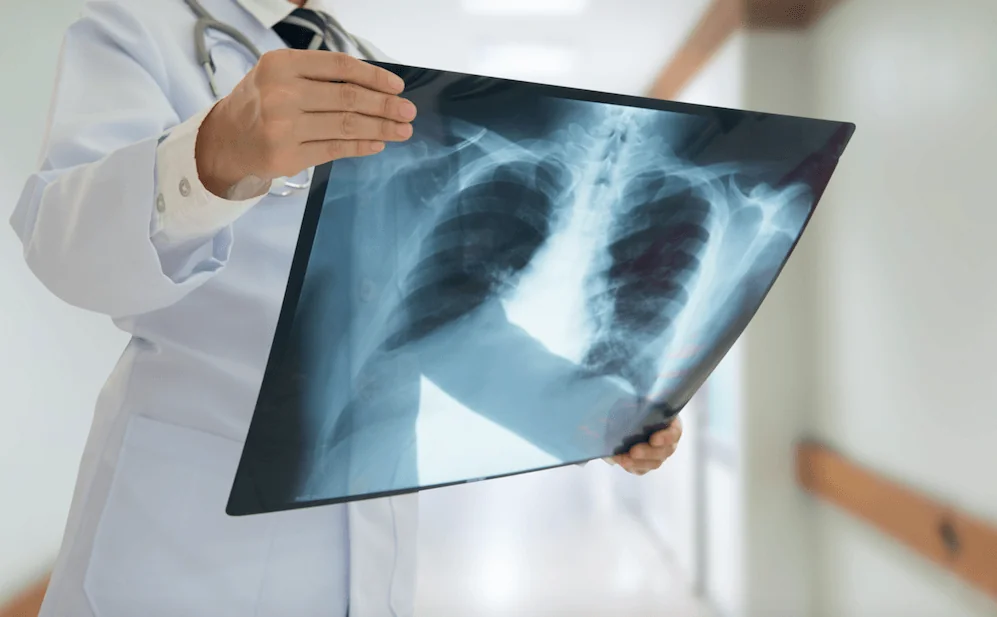
Chest injuries can happen in unexpected accidents and may have serious consequences. Early recognition supports prompt treatment. This article explains seven groups of symptoms in clear language, alongside what chest trauma is, why it occurs and how it is treated. The aim is to help readers recognise concerns and obtain appropriate care, not to diagnose themselves.
Related videos and posts
The linked Instagram content is in Turkish.
For the broader clinical context, see Chest Injuries.
The chest protects the heart, lungs and major vessels. An injury can directly affect breathing and circulation. Prof. Dr. Kemal Karapınar's approach takes account of each patient's condition and needs when planning treatment.
What Is Chest Trauma?
Chest trauma means injury to the chest wall or organs inside it. The thorax is protected by the ribs, sternum (breastbone) and spine. Injuries are classified as blunt, from an impact, or penetrating, from an object entering the chest. Vehicle accidents, falls and sport commonly cause blunt injury; stab and gunshot wounds are examples of penetrating injury.
These injuries can cause pneumothorax, an air collection around the lung, haemothorax, blood in the pleural space, or rib fractures. Breathing and oxygen uptake may be affected. Early assessment and suitable treatment reduce preventable complications. Chest injuries are an important contributor to trauma-related deaths, so recognising symptoms can be life-saving.
Vehicle collisions are a major cause of blunt chest injury. Penetrating injuries are less common in many settings but also require urgent care. Treatment depends on injury severity, as explained below.
Causes
High-speed road collisions can compress or strike the chest. Falls from height, workplace accidents and sporting impacts also cause blunt injury. Sharp objects, bullets or broken glass can cause penetrating wounds.
Children's ribs are more flexible and may bend without breaking even when internal organs are injured. In older adults, osteoporosis means that a relatively minor fall may cause substantial fractures. Age and general health therefore matter, whatever the injury mechanism.
Underlying lung disease can influence the effects of injury; for example, a relatively minor impact may be associated with pneumothorax in a susceptible person. Seatbelts, suitable protective equipment and safe workplaces help reduce injury risk.
Seven Groups of Warning Signs
Recognising symptoms can help secure timely care. These seven groups provide a practical guide, but they are not a checklist to complete before seeking help. Severe breathlessness, major bleeding or altered consciousness requires emergency assistance immediately.
Step 1: Notice Pain and Tenderness
Chest pain often worsens with deep breathing, coughing or movement. The injured area may be tender to touch. Rib fractures can hurt at the front, side or back, depending on the site. New pain after an injury needs appropriate assessment.
Step 2: Watch for Breathlessness
Breathlessness, or dyspnoea, is an important symptom. Air or blood around the lung, lung damage and pain can impair breathing. Rapid, shallow breathing may reflect pain or reduced oxygen levels. It should be taken seriously because low blood oxygen, or hypoxia, may develop.
Step 3: Look for Swelling and Bruising
Swelling or bruising can reflect damaged tissues and vessels. Air beneath the skin, called subcutaneous emphysema, can also cause swelling. Changes may appear hours after the injury and can provide useful diagnostic clues.
Step 4: Notice Bleeding or Fluid Leakage
Penetrating wounds may bleed externally, while blunt injuries can cause hidden internal bleeding. Coughing up blood, called haemoptysis, is another warning sign. Blood may also collect inside the chest, where it cannot be reliably assessed at home.
Step 5: Recognise Changes in Awareness
Fainting, reduced consciousness, dizziness, agitation or confusion can indicate shock, reduced oxygen or another serious injury. These symptoms require urgent assessment rather than being attributed only to emotional distress. Psychological support can still be important during care.
Step 6: Notice Changes in Pulse and Circulation
A fast pulse and low blood pressure can indicate circulatory problems, including blood loss from haemothorax. These are possible signs of shock. Do not delay emergency help while attempting to measure your own blood pressure or pulse.
Step 7: Note Other Serious Signs
Bluish skin or lips, called cyanosis, rapid breathing, or a chest-wall segment moving abnormally during breathing can indicate severe injury. Abnormal segment movement may occur with flail chest. These signs need emergency attention.
The seven groups help explain possible symptoms; diagnosis depends on a clinical assessment, and no visible symptoms can reliably exclude internal injury.
Diagnostic Tests
Examination includes careful inspection and palpation of the chest and listening to breath sounds. Chest X-rays may show rib fractures or pneumothorax. CT gives more detail about internal injuries.
Ultrasound is useful in emergency assessment, including detecting blood around the lung. Trauma protocols such as Advanced Trauma Life Support (ATLS) prioritise the airway, breathing and circulation, while keeping the patient safe and as comfortable as possible.
Blood tests and an ECG may be used to assess bleeding, general condition or possible effects on the heart. Together, the findings guide treatment.
Treatment Options
Treatment depends on the injury. Less severe cases may need pain relief, oxygen when indicated, rest and breathing exercises. Tight chest binding or bandaging is generally avoided for rib fractures because it can restrict breathing.
More serious injuries may need a chest drain to remove air in pneumothorax or blood in haemothorax. Surgery may be necessary for ongoing bleeding or other damage. Minimally invasive techniques such as VATS may be suitable in selected stable patients and can reduce incision-related discomfort and recovery time.
Flail chest may require intensive pain management, breathing support or surgical stabilisation. The team chooses measures to maintain safety and reduce complications.
The Treatment Journey and Its Benefits
Care begins with emergency stabilisation and continues through monitoring and rehabilitation. Prompt treatment can reduce the risk of death and other complications. Individual planning supports recovery, although its pace varies.
Physiotherapy helps restore breathing and movement. In suitable patients, minimally invasive techniques can shorten recovery and admission. Thoracic surgeons, intensive-care specialists and other professionals work together as needed.
Prevention
Seatbelts, appropriate helmets and workplace safety measures reduce the risk and severity of accidents. Suitable chest protection may help in some sports. Education and awareness also contribute to prevention.
Frequently Asked Questions
What is chest trauma, and what causes it?
Injury to the chest wall or internal organs, caused by accidents, falls, impacts or penetrating wounds.
What symptoms can it cause?
Chest pain, breathlessness, swelling, bruising, bleeding or a fast heartbeat are possible signs.
How is it diagnosed?
Clinical examination and, as needed, X-ray, CT, ultrasound and other tests.
What is pneumothorax, and how is it related to injury?
Air collects around the lung and may cause collapse after a chest injury.
What are the symptoms of haemothorax?
Breathlessness, chest pain and, in severe cases, low blood pressure or shock.
How are rib fractures treated?
Pain relief, suitable activity, breathing exercises and monitoring are central. Selected severe injuries need surgery.
How long does recovery take?
Depending on severity, recovery may take 4–6 weeks or several months.
What is flail chest?
An unstable segment of chest wall caused by multiple rib fractures, which may move abnormally with breathing.
Are chest injuries different in children?
Yes. The flexible chest wall may allow significant internal injury without obvious rib fractures.
When should I seek medical help after an injury?
Seek prompt assessment for symptoms after chest trauma and emergency help for severe breathing difficulty, major bleeding, collapse or altered consciousness.
Conclusion
Chest injuries can be serious, but timely recognition and appropriate treatment improve care. This article has explained seven groups of warning signs, causes, diagnosis and treatment. Prof. Dr. Kemal Karapınar uses individual clinical assessment and thoracic-surgery experience to guide treatment and recovery.
Sources and further reading
These resources provide general background on this topic; they do not replace an individual medical assessment.