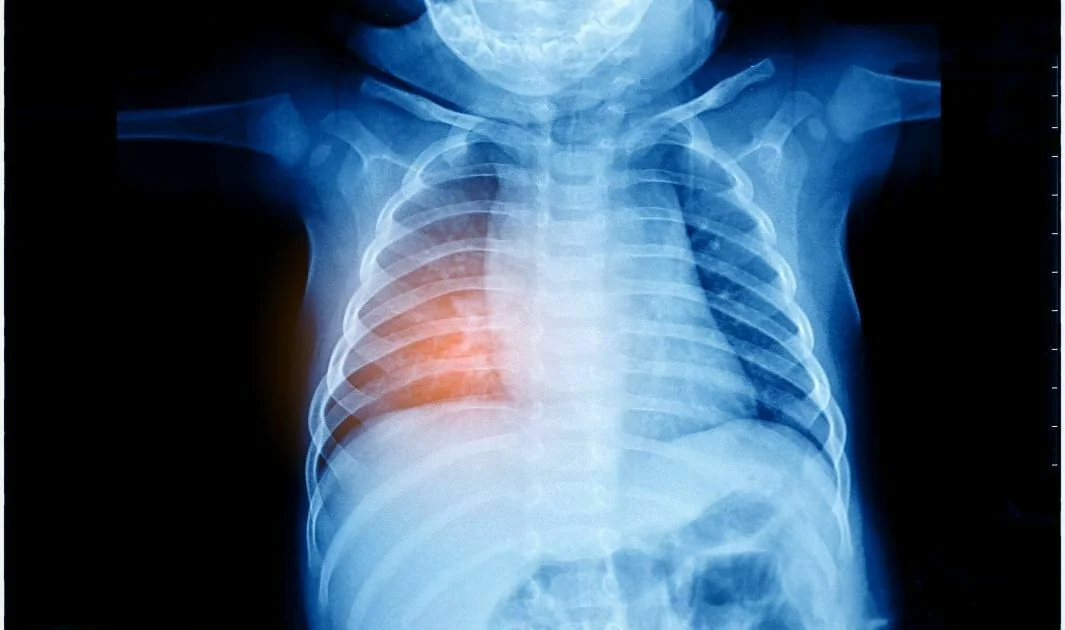
The chest wall consists of the bones, muscles and soft tissues forming the rib cage. Tumours in these structures are uncommon but can cause important health problems. Depending on their size and position, they may affect breathing or press on nearby structures, including the lungs. Chest wall tumours can be benign or malignant, and treatment depends on their type, size, location and the patient's general health.
Related videos and posts
The linked Instagram content is in Turkish.
For the broader clinical context, see Chest Wall Conditions — Tumours, Pigeon Chest and Funnel Chest.
This article explains what chest wall tumours are, the surgical approaches used to treat them, postoperative care and possible complications.
What Are Chest Wall Tumours?
Chest wall tumours are abnormal growths arising in the muscles, bones or soft tissues of the rib cage. They may be benign (non-cancerous) or malignant (cancerous). Benign tumours generally do not spread to other parts of the body, although their size or position may still cause symptoms. Malignant tumours can invade nearby structures and may spread elsewhere.
Chest wall tumours include:
Benign Tumours:
- Osteoma: A benign bone tumour that usually grows slowly and may cause few problems.
- Lipoma: A benign growth of fatty tissue. It is usually slow-growing and does not generally become cancerous.
- Chondroma: A benign cartilage tumour, often small and confined to a particular area.
Malignant Tumours:
- Cancer Involving the Chest Wall: Lung or breast cancer may grow directly into the chest wall or spread to it. These are different from tumours that begin in the chest wall itself.
- Mesothelioma: A cancer of the pleura, the lining around the lung, which may also involve the chest wall.
- Fibrosarcoma: A soft-tissue cancer that can arise in the chest wall.
Surgery is an important treatment option for many chest wall tumours. Its aims may include complete removal, local disease control and improved quality of life. The following techniques may be used.
1. Surgical Removal of the Tumour (Resection)
Removal of the tumour is a common treatment. The surgeon chooses an incision and extent of resection according to its type and location, aiming to preserve unaffected structures while achieving the required clearance.
- Benign Tumours: A localised tumour can often be removed while preserving surrounding healthy tissues.
- Malignant Tumours: Removal with a margin of healthy tissue may be needed to achieve adequate clearance. This can involve chest wall muscle, bone or other neighbouring structures.
2. Thoracotomy (Open Surgery)
Large or deeply situated chest wall tumours may require an open operation. Depending on their position, the surgeon may use a direct chest wall incision or a thoracotomy, an incision that provides access to the chest cavity.
An open approach may be used for:
- Large or deeply situated tumours.
- Malignant tumours or selected deposits from another cancer.
- Soft-tissue tumours requiring adequate exposure and clearance.
3. Thoracoscopic Surgery (Minimally Invasive Surgery)
Some selected chest wall tumours can be approached through video-assisted thoracic surgery (VATS). A camera and instruments are introduced through small incisions to assess or remove the lesion. Suitability depends on its location, size and the need for safe tumour margins; a small incision must not compromise cancer treatment.
Potential advantages include:
- Smaller incisions.
- Less pain and a shorter recovery in suitable cases.
- A shorter hospital stay.
4. Reconstructive Surgery
Removing a large tumour can leave a substantial chest wall defect. Reconstruction helps restore protection and stability and supports breathing. Depending on the defect, repair may use sutures, mesh or other prosthetic materials, muscle flaps and, when needed, rigid support such as titanium plates.
Risks and Complications of Chest Wall Tumour Surgery
As with any operation, chest wall tumour surgery has risks. These include:
Infection:
- Infection of the wound or reconstructed area can delay healing. Treatment may include antibiotics and, occasionally, additional procedures.
Bleeding:
- Bleeding may occur if blood vessels are injured. Careful planning and surgical technique help manage this risk, but cannot eliminate it.
Breathing Problems:
- Chest surgery can temporarily affect breathing. Respiratory function is monitored after the operation.
Wound-Healing Problems:
- Healing may be delayed, particularly after a large incision or complex reconstruction.
Cancer Recurrence:
- Malignant tumours may recur despite treatment. Regular follow-up is therefore important.
Recovery
Recovery depends on the operation and the patient's general health. Usual elements of care include:
Hospital Monitoring:
- Patients are often observed in hospital for several days. Pain relief, wound care and breathing are monitored during this time.
Activity Restrictions:
- Strenuous physical activity is avoided during early healing. Restrictions may last several weeks, with the timing tailored to the operation and reconstruction.
Follow-Up Appointments:
- Regular reviews allow the team to assess healing and identify complications or recurrence concerns.
Reconstruction Follow-Up:
- When a large area has been reconstructed, the team also monitors the repair and chest wall function during recovery.
Sources and further reading
These resources provide general background on this topic; they do not replace an individual medical assessment.