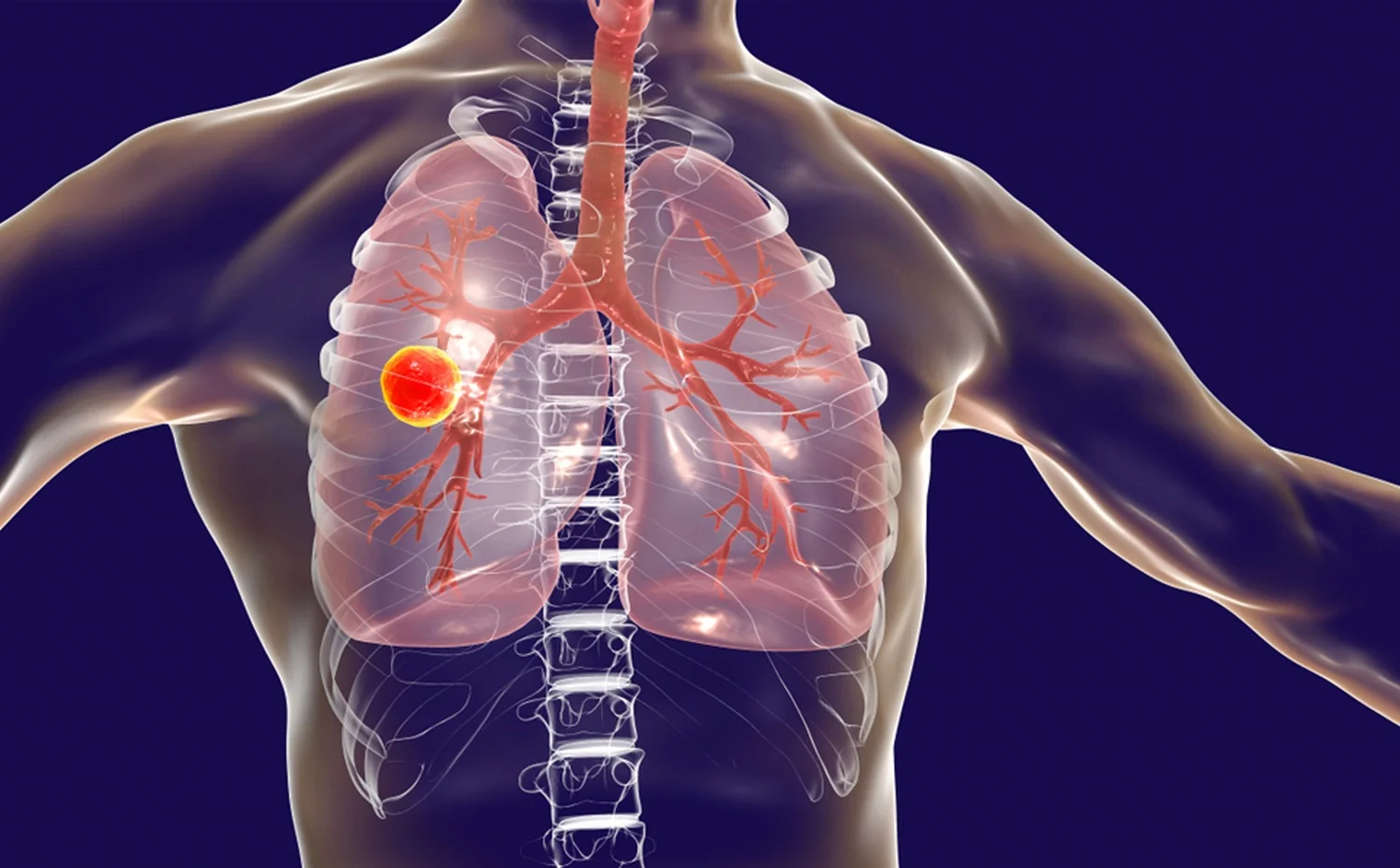
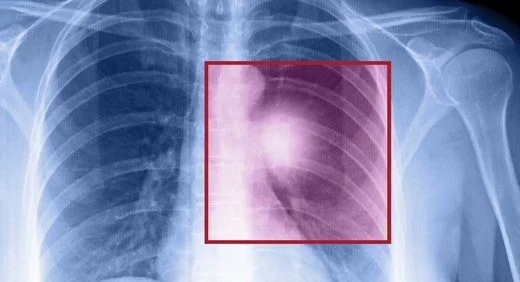
Lung infections can seriously affect breathing. Most are treated with medicines, such as antibiotics when bacteria are responsible, but some circumstances require a surgical procedure. Surgery may help when an infection persists, spreads or causes complications, after the likely benefits and risks have been assessed.
Related videos and posts
The linked Instagram content is in Turkish.
Infections can be caused by bacteria, viruses or fungi. Failure of treatment or the development of complications may lead to consideration of surgery. The following are examples of conditions that sometimes need a surgical approach:
1. Lung Abscess
A lung abscess is a cavity containing pus and infected material within the lung. It is commonly associated with a bacterial infection that destroys tissue and produces a pus-filled space.
Surgical treatment options:
- Draining the abscess: Antibiotics are often sufficient, particularly when there is a good treatment response. Selected large, persistent or complicated abscesses may need drainage or surgery to remove infected material.
- Lobectomy (removing a lung lobe): If severe localised infection cannot be controlled by other methods, removal of the affected lobe may be considered. The aim is to control the infection while preserving as much functioning lung as possible.
2. Cystic Fibrosis and Infection
Cystic fibrosis is an inherited condition associated with thick mucus in the airways. Bacteria can persist in this mucus, leading to repeated infections and, over time, lung damage.
Surgical treatment options:
- Lobectomy: This is not routine treatment for cystic fibrosis. It may rarely be considered after specialist multidisciplinary assessment when severe disease is confined to a small area and cannot be controlled in other ways.
- Lung transplantation: Transplantation may be an option for advanced lung failure. It is assessed by a transplant team, which also considers infection and the risks of medicines needed to suppress the immune system after transplantation.
3. Lung Cancer and Secondary Infection
A lung tumour can damage tissue or obstruct an airway, making infection more likely. Infection can develop behind an obstruction or in damaged areas, including in advanced disease.
Surgical treatment options:
- Lobectomy or pneumonectomy: Infection associated with lung cancer first requires appropriate antibiotics and assessment of the airway. Surgery is considered in selected patients according to the cancer stage and fitness for an operation. When suitable, removing the involved area can address the tumour and associated infection. Additional treatment may be needed to prevent or treat infection during cancer care.
4. Tuberculosis and Its Complications
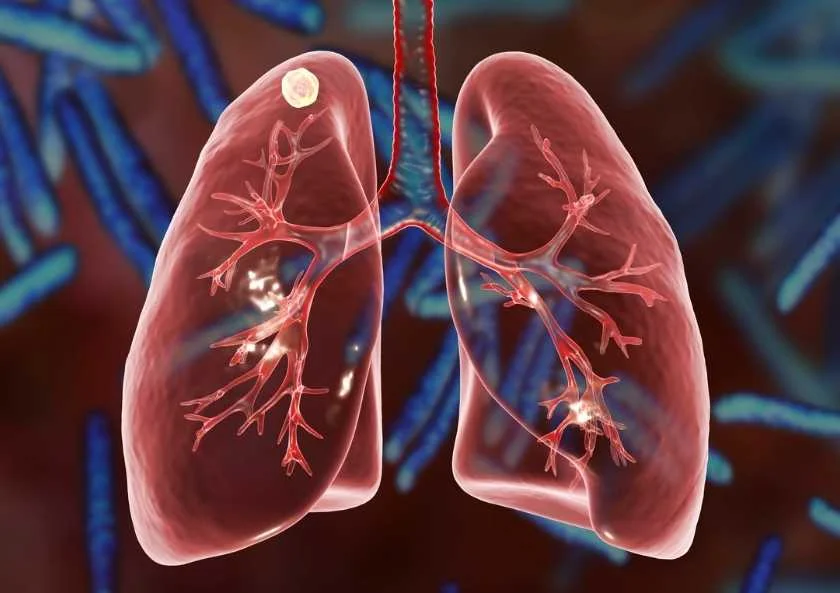
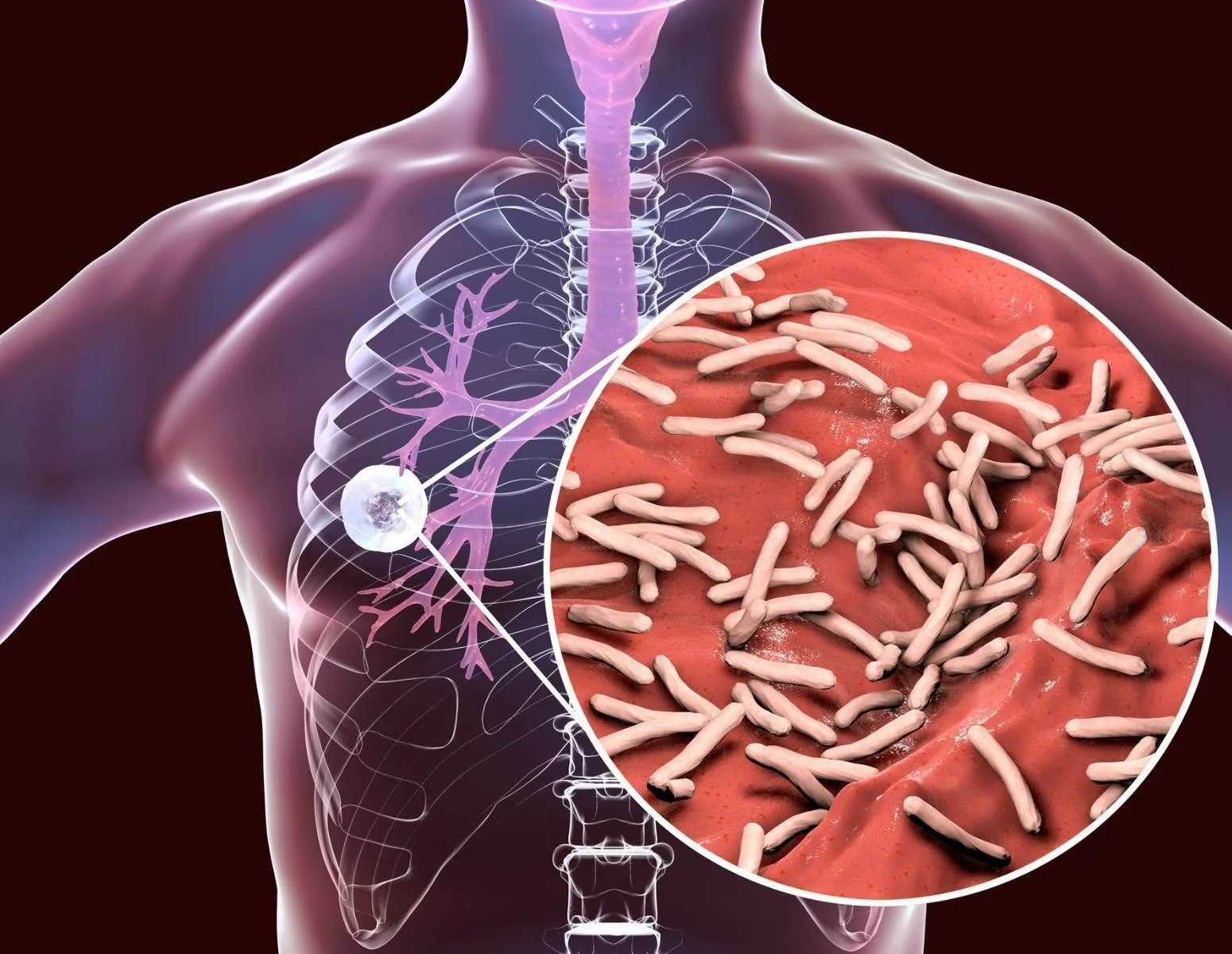
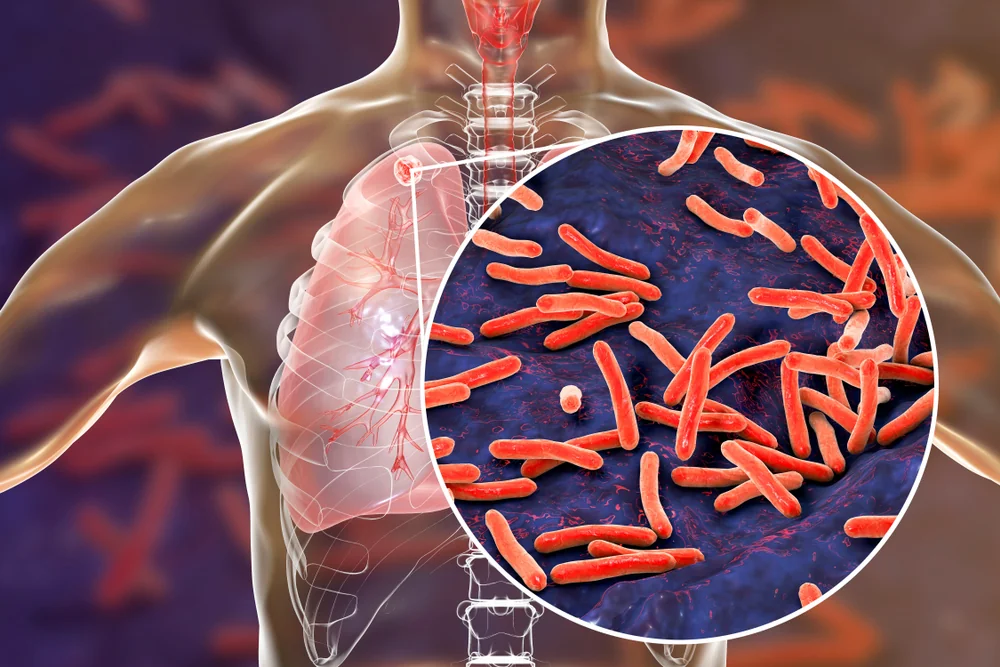
Tuberculosis (TB) is an infection caused by Mycobacterium tuberculosis. It often affects the lungs. Most cases are treated with a course of appropriate medicines, but some patients develop persistent disease or serious lung damage and complications requiring surgical assessment.
Surgical treatment options:
- Lung resection: Selected patients with severe localised damage, a cavity or an abscess may benefit from removal of affected tissue.
- Lobectomy: In carefully selected drug-resistant or complicated cases, removal of a lobe may be considered alongside appropriate TB medicines. It does not replace medical treatment.
- Drainage of a collection: Fluid or pus in an appropriate collection may need drainage, depending on its location and the clinical situation.
5. Fungal Lung Infections
Fungal infections can occur particularly in people with a weakened immune system or certain chronic lung conditions. Some cause significant inflammation or involve an existing lung cavity.
Surgical treatment options:
- Clearance of localised infected tissue: A persistent fungal mass or cavity may occasionally require surgical removal, particularly when associated with significant bleeding or other complications.
- Lobectomy or pneumonectomy: Removal of affected lung tissue may be considered for selected localised disease that cannot be managed adequately with other treatments. The extent of resection is determined individually; removal of an entire lung is a major operation and is not routine.
6. Empyema and Surgery
Bacterial infection can cause pus to collect in the pleural space between the lung and chest wall. This is called empyema. It may follow pneumonia, including pneumococcal infection, or arise in other circumstances.
- Drainage under local anaesthetic: Once pleural infection is identified by pus or appropriate fluid tests, a chest tube can be placed between the ribs and connected to a drainage system. Antibiotics and effective drainage are sufficient for many patients presenting early.
- Treatment under general anaesthesia: Patients whose infection does not resolve adequately with initial treatment may need surgery. Options include:
- VATS clearance of loculations and infected material (deloculation and debridement)
- Decortication, removing a restrictive pleural peel when appropriate
- Lobectomy only in selected situations such as severe associated localised lung destruction; it is not routine treatment for empyema
Related conditions and procedures
Further reading on this topic
The following articles cover diagnosis, treatment planning and recovery in more detail.
- Lung Hydatid Cysts in 2026: From Diagnosis to Surgery and Recovery
- Nine Preparation Steps Before Tuberculosis Surgery
- 11 Suggestions for Patients Having Tuberculosis Surgery
- Follow-up After Tuberculosis Surgery: 7 Steps in Ongoing Care
- Recovery After Tuberculosis Surgery: A Comprehensive Guide
- Tuberculosis Surgery and Immunity: 8 Points to Understand
Sources and further reading
These resources provide general background on this topic; they do not replace an individual medical assessment.