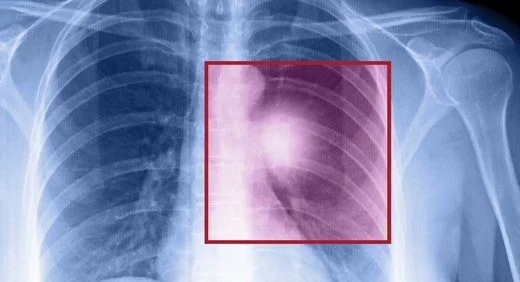
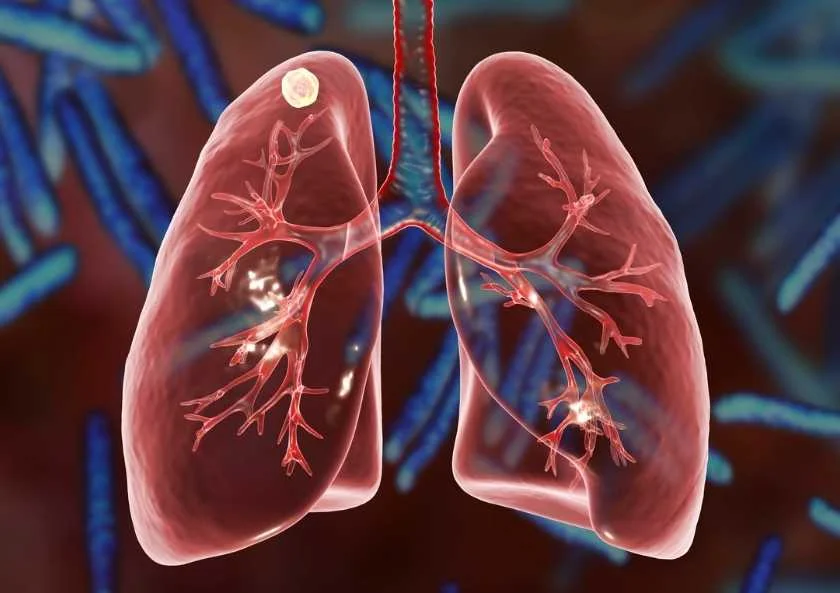
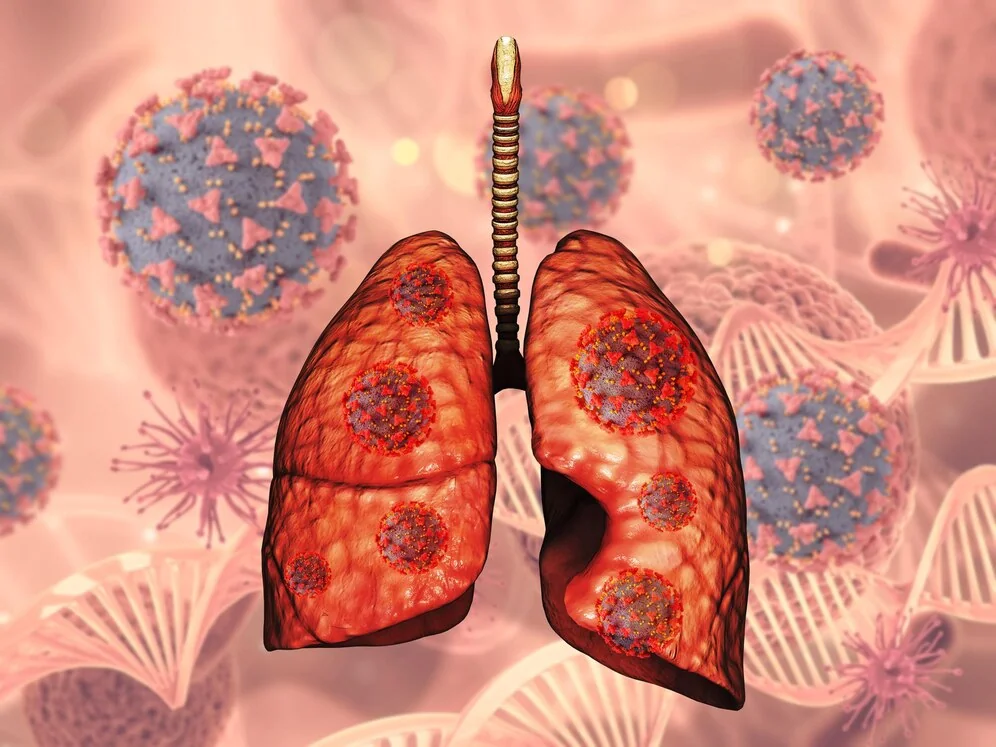
Lung infections affect the lungs and commonly cause breathing difficulties, fever and cough. They can be caused by viruses, bacteria, fungi or parasites. Hydatid disease, aspergillosis and tuberculosis are distinct conditions that may require surgical treatment in selected circumstances. This article explains their definitions, causes, symptoms and surgical approaches.
Related videos and posts
The linked Instagram content is in Turkish.
For the broader clinical context, see Lung Infections That May Need Surgery.
1. Hydatid Disease (Echinococcosis)
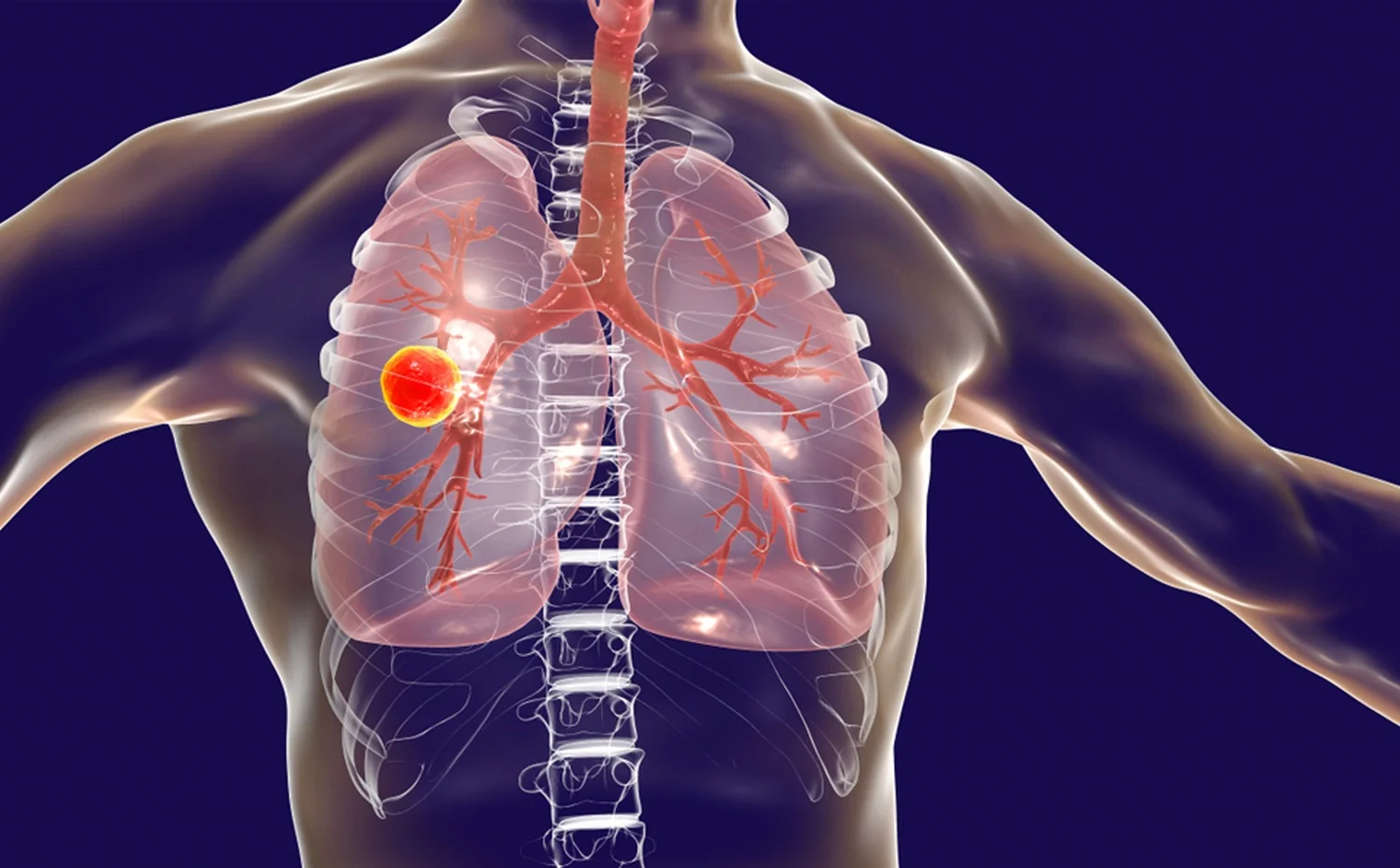
Hydatid disease is a parasitic infection that can produce cysts in the lungs. It is caused by the larval stage of a tapeworm carried by dogs and other carnivorous animals. People become infected by swallowing parasite eggs from contaminated water, food or soil, including through contact with dog faeces.
Causes of Hydatid Disease
The parasite Echinococcus granulosus causes cystic echinococcosis. Humans can swallow its eggs in contaminated soil, water or food. The larvae can then form cysts in the lungs, liver or other organs.
Symptoms of Hydatid Disease
Symptoms depend on the size and location of the cyst. Lung cysts may cause:
- Cough: Persistent cough or coughing up blood, depending on the cyst and any complications.
- Shortness of breath: A growing cyst may compress lung tissue and make breathing difficult.
- Pain: Chest pain may occur.
- Fever and sweating: These can occur with complications such as secondary infection.
Surgery for Hydatid Disease
Surgery is the main treatment for many lung hydatid cysts, including cysts that are large or at risk of rupture. The approach is selected individually and may include:
- Surgical removal of the cyst: The parasitic cyst is removed carefully, with the aim of protecting surrounding tissue and preserving lung.
- Thoracotomy or thoracoscopy: An open operation through the chest wall or a minimally invasive camera-assisted approach may be used, depending on the cyst and the surgeon’s assessment.
- Preventing leakage and managing the cavity: The surgical team takes precautions against leakage of cyst contents, closes any airway openings and manages the remaining cavity as needed. Injecting sclerosants or using liver-style percutaneous cyst procedures is not a routine treatment for lung cysts.
2. Aspergillus Infections
Aspergillus is a fungus found widely in the environment. It can cause several forms of lung disease, collectively called aspergillosis. Invasive infection is particularly important in people with weakened immunity, whereas an aspergilloma may develop in a pre-existing lung cavity even without severe immune suppression.
- Aspergillus fumigatus: A common species responsible for human disease, including serious infections.
- Aspergilloma: A collection of fungal material and debris, often called a fungal ball, within a lung cavity.
Causes of Aspergillus Infections
People inhale airborne fungal spores. The resulting illness depends on immune function and existing lung damage. People receiving organ transplants or some cancer treatments are at greater risk of invasive disease.
Symptoms of Aspergillus Infections
Symptoms may include:
- Chronic cough: Persistent cough can accompany Aspergillus-related lung disease.
- Fever and sweating: Fever and sweating may occur, depending on the type of disease.
- Shortness of breath and chest pain: Lung involvement may cause discomfort and difficulty breathing.
Surgery for Aspergillus Disease
Surgery may be considered in the following circumstances:
- Removal of an aspergilloma: A stable fungal ball without symptoms may be observed. Resection is considered for symptomatic disease, particularly significant bleeding, when the person is fit for surgery.
- Lobectomy: Removal of the affected lung lobe may be appropriate for localised disease. The decision depends on the extent of infection, response to other treatment and the remaining lung function.
- Antifungal treatment: Many forms of aspergillosis require antifungal medicines, sometimes with surgery. However, antifungals are not automatically required around surgery for every uncomplicated aspergilloma; the form of disease and risk of spillage guide treatment.
3. Surgery for Tuberculosis
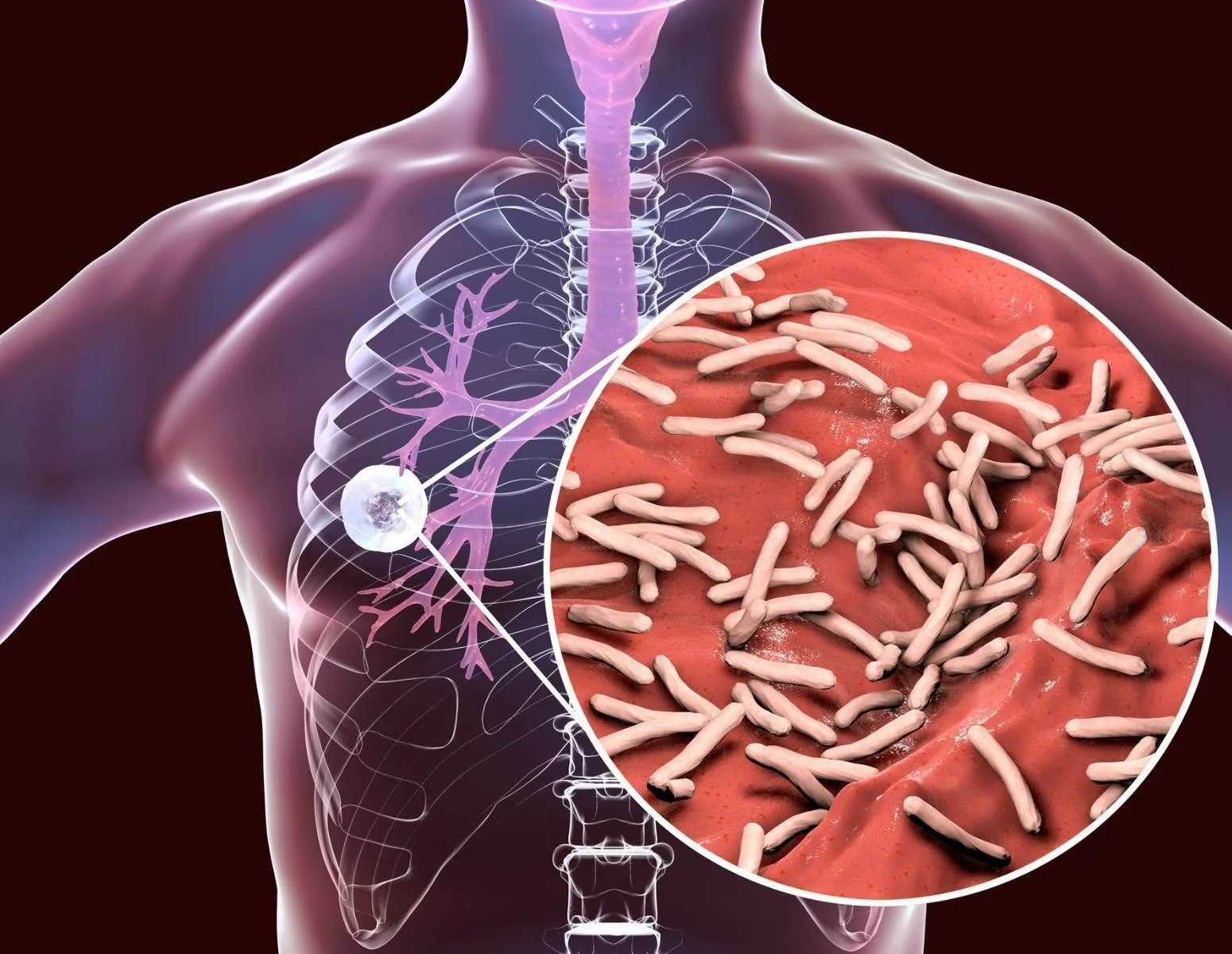
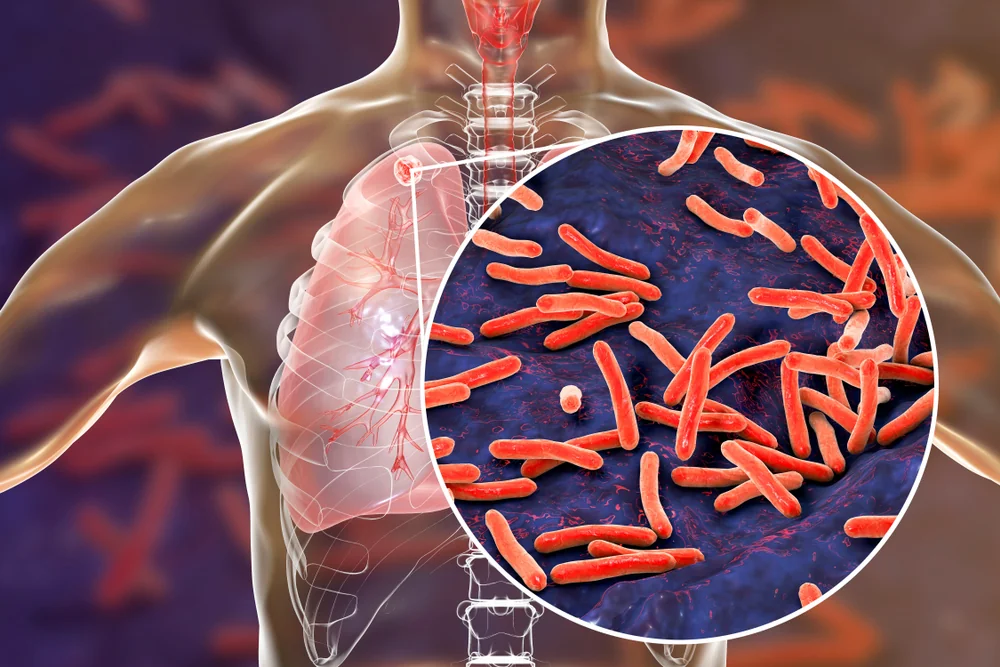
Tuberculosis (TB) is an infectious disease caused by Mycobacterium tuberculosis, most often affecting the lungs. It remains an important health problem worldwide. TB spreads through the air and can cause serious complications if left untreated.
Causes of Tuberculosis
Mycobacterium tuberculosis can spread through airborne particles released by a person with infectious pulmonary TB when coughing, speaking or sneezing.
Symptoms of Tuberculosis
Common symptoms include:
- Chronic cough: A cough that continues for a long time is a principal symptom.
- Fever and night sweats: Fever and sweating at night are common.
- Blood-stained sputum: Coughing up blood may occur.
- Loss of appetite and weight: Untreated disease can cause ongoing appetite and weight loss.
Tuberculosis Surgery
TB is usually treated with a combination of antibiotics. Surgery may also be needed in selected patients to address localised resistant disease or structural damage and complications. Procedures may include:
- Lobectomy: An affected lobe may be removed when disease is confined to that area and surgery is appropriate.
- Drainage of pleural infection or an abscess: TB can cause infected collections in or around the lung. Drainage or other surgery may be needed according to the findings.
- Lung resection: More extensive removal may be considered for severely damaged lung in carefully selected patients.
Sources and further reading
These resources provide general background on this topic; they do not replace an individual medical assessment.