
Related videos and posts
The linked Instagram content is in Turkish.
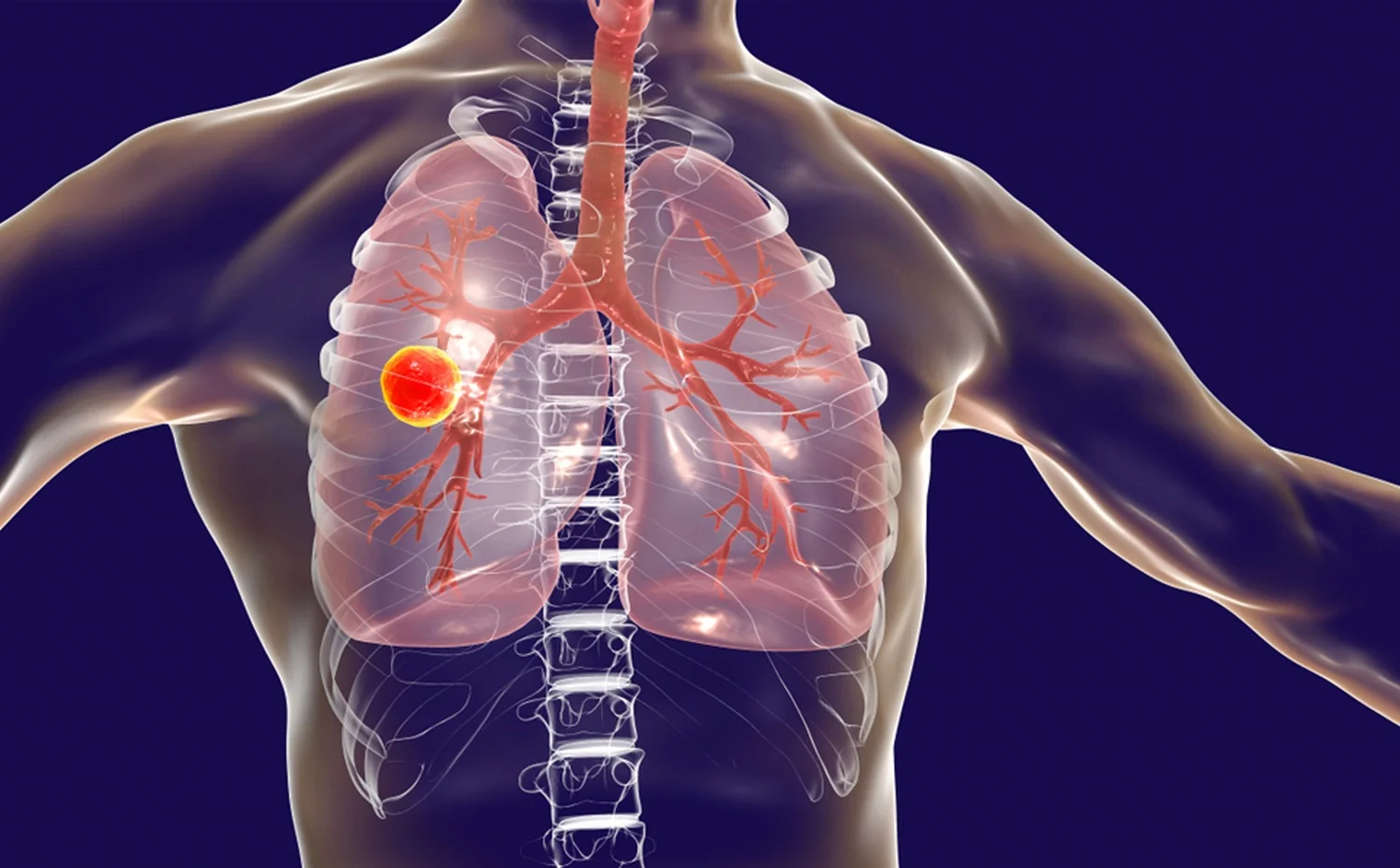
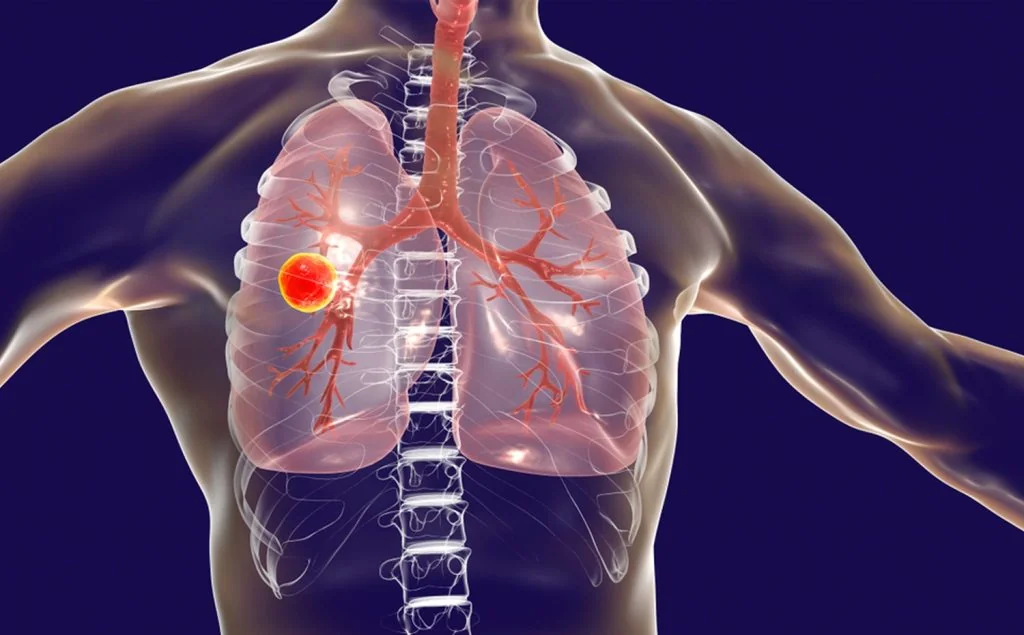
Tuberculosis, or TB, is an infectious disease caused by Mycobacterium tuberculosis. It most often affects the lungs and remains a major health problem worldwide. Medicines are the main treatment. Surgery may be added for selected patients with drug-resistant disease, permanent damage or particular complications; it is not routinely required for everyone.
For the broader clinical context, see Lung Infections That May Need Surgery.
Follow-up is an important part of recovery. It helps assess healing, detect complications and coordinate ongoing TB treatment. Prof. Dr. Kemal Karapınar considers individual needs and works with the treating team. This article explains the role of surgery and seven practical areas of follow-up in accessible language.
What Is Tuberculosis Surgery?
TB surgery includes operations used when disease cannot be adequately controlled with medicines alone or when complications develop. An operation may remove a localised infected or damaged area, deal with cavities or repair affected tissue. Antibiotic treatment remains essential, including when bacteria are resistant to particular drugs. Surgery supplements an effective drug regimen rather than replacing it.
TB outside the lungs, for example in the spine or kidneys, can sometimes require surgery by the relevant specialty. Treatment is planned with the TB team. Appropriate surgery may reduce symptoms and improve quality of life, but benefits depend on the indication and the individual.
Who May Be Considered for Surgery?
Surgery is not used for every patient. Selected people with multidrug-resistant TB (MDR-TB), extensively drug-resistant TB (XDR-TB) or a poor response to an appropriate regimen may be assessed. Large localised cavities, significant bleeding (haemoptysis) or airway obstruction can also be relevant.
Selection depends on the disease's distribution, available effective medicines, lung function and general fitness, rather than youth alone. Intensive-care support may be needed for some operations. Prof. Dr. Kemal Karapınar considers these factors with other specialists when assessing whether benefits outweigh risks.
Types of Operation
The procedure is adapted to the disease's location and extent:
- Lobectomy: Removes an affected lung lobe, sometimes for localised cavitary or destroyed lung disease.
- Pneumonectomy: Removes a whole lung in selected extensive cases and requires careful risk assessment.
- Segmentectomy: Removes an anatomical segment within a lobe, preserving more lung. It is a type of resection, not automatically a minimally invasive access technique.
- Thoracoplasty: Alters part of the chest wall; an older operation still used in selected complex chronic situations.
- Video-assisted thoracoscopic surgery (VATS): A small-incision approach using a camera and instruments, when the disease and adhesions allow it.
The operation is selected individually to balance potential benefit against risk.
The Surgical Journey
Care includes preparation, surgery and recovery. An effective TB drug regimen is usually started or optimised before elective surgery, but timing depends on the patient's condition and indication; a fixed 2–3-month delay does not apply to every case. Breathing tests and chest imaging help plan treatment.
Surgery is performed under general anaesthetic. It may take around 1–4 hours or longer, depending on complexity. Affected tissue is treated or removed and chest drains may be placed. Comfort and safety remain priorities.
Afterwards, monitoring may take place on a ward or in intensive care according to need. Pain relief and TB medicines continue. Initial recovery may take 4–6 weeks, with fuller recovery sometimes taking months.
Benefits and Risks
For appropriately selected patients, surgery can remove a difficult-to-treat local focus or address complications such as bleeding. This can help control disease and relieve symptoms such as cough or breathlessness. It does not guarantee preserved lung function or longer survival for every patient.
Possible complications include infection, bleeding, respiratory failure, persistent air leakage and wound-healing problems. Smoking may increase risks. Careful selection, preparation and follow-up help reduce avoidable complications.
Seven Important Follow-Up Steps
Follow-up supports healing and early recognition of problems. The following areas should be planned with the clinical team.
Step 1: Arrange Regular Appointments
Early appointments may be frequent, sometimes weekly before becoming less frequent. The exact schedule is individual. The team checks the wound, breathing and general recovery and answers questions.
Step 2: Continue Medicines Exactly as Prescribed
Do not interrupt or alter the TB regimen yourself. The drugs and total duration depend on resistance testing, response and the regimen; surgery does not automatically mean a further fixed 6–18 months for everyone. Some current regimens are shorter, while complex resistant disease may need longer treatment. Report side effects, including possible liver-related symptoms, promptly. Adherence improves the chance of successful treatment but cannot guarantee eradication in every case.
Step 3: Attend Imaging Appointments
Chest X-rays and, where indicated, CT assess healing or complications. MRI is reserved for specific questions rather than used routinely for every postoperative lung review. Follow the team's imaging schedule.
Step 4: Support Nutrition and Rest
Adequate protein, a varied diet and sufficient rest support recovery. Avoid smoking and discuss alcohol with the TB team, particularly because some medicines affect the liver.
Step 5: Restart Activity and Physiotherapy Gradually
Gentle activity and breathing exercises, guided by the team, support fitness, lung expansion and recovery. Increase activity gradually within postoperative restrictions.
Step 6: Follow Infection-Control Advice
Follow the TB team's advice about masks, ventilation, hygiene and contact with others while infectious. Advice is based on infectiousness and treatment response; surgery alone does not establish that someone is no longer infectious. Keep recommended vaccines, such as influenza vaccination, up to date for other respiratory infections.
Step 7: Watch Symptoms and Know When to Seek Help
Report increasing cough, fever or worsening breathlessness promptly. Severe breathlessness, substantial coughing of blood or acute deterioration needs emergency assessment. Early reporting helps identify complications.
Clinical assessment and microbiological follow-up
Surgery does not replace tuberculosis medicines. In drug-resistant disease, the surgical decision considers an effective drug regimen, the area that can be removed and lung function. Not everyone with resistant TB needs surgery, and an operation alone does not establish that a person is no longer infectious.
Early reviews assess the wound and drain site, pain, breathing and nutrition. Later follow-up may include sputum testing and culture, drug susceptibility and treatment response at appropriate intervals. A single negative sputum result does not establish cure. Imaging, blood tests and organ monitoring, including liver assessment, depend on the medicines and clinical situation; there is no fixed testing schedule suitable for everyone.
Home care, medicine side effects and rehabilitation
Taking medicines consistently and reporting side effects are important. Contact the treatment team promptly about jaundice, significant changes in vision or hearing, persistent vomiting or a severe rash. Do not change treatment on your own. Nutritional support is tailored to need; vitamin supplements are not routinely necessary for everyone. Walking and breathing exercises should increase at the level advised by the surgical team.
Infection-control measures, masks and contact screening are planned with the TB service. Routine BCG vaccination is not a postoperative follow-up step. New or worsening breathlessness, substantial coughing of blood, high fever or significant wound discharge requires assessment; severe symptoms need emergency care. Long-term review aims to detect recurrence and complications rather than guarantee their prevention.
Consult Respiratory Medicine and Thoracic Surgery specialists, and the relevant TB service when needed, for an individual follow-up plan. See the guide to recovery after tuberculosis surgery for broader information.
Source: WHO — Tuberculosis: Treatment and Care.
Frequently Asked Questions
- What is TB surgery, and when is it needed? An operation for selected localised resistant disease or complications, alongside an effective medical regimen.
- How is treatment continued after surgery? Prescribed TB medicines, clinical follow-up and any necessary tests continue under the TB team.
- How long does recovery take? Initial recovery often takes 4–6 weeks; full recovery can take months, sometimes 6–12, depending on the disease and operation.
- What are the risks? Infection, bleeding, air leakage, breathing problems and other operation-specific complications.
- What are the potential benefits? Treating a local focus or complication may improve disease control and symptoms in suitable patients.
- Why is follow-up important? To assess healing, monitor treatment and recognise complications early.
- Who is considered for surgery? Selected patients with resistant, localised or complicated disease after multidisciplinary assessment.
- What should I eat afterwards? A balanced, nourishing diet with enough protein and energy, adjusted to individual needs.
- Can I exercise? Gentle activity and physiotherapy are usually encouraged within the surgical team's restrictions.
- Can another operation be needed? Occasionally, further surgery may be considered for persistent disease or complications.
Conclusion
TB surgery can be demanding, and structured follow-up is important. Appointments, medication adherence, symptom monitoring and appropriate daily habits support recovery. Prof. Dr. Kemal Karapınar works with the wider team to provide individual care. Timely assessment and informed participation help patients navigate this complex treatment.
Sources and further reading
These resources provide general background on this topic; they do not replace an individual medical assessment.