
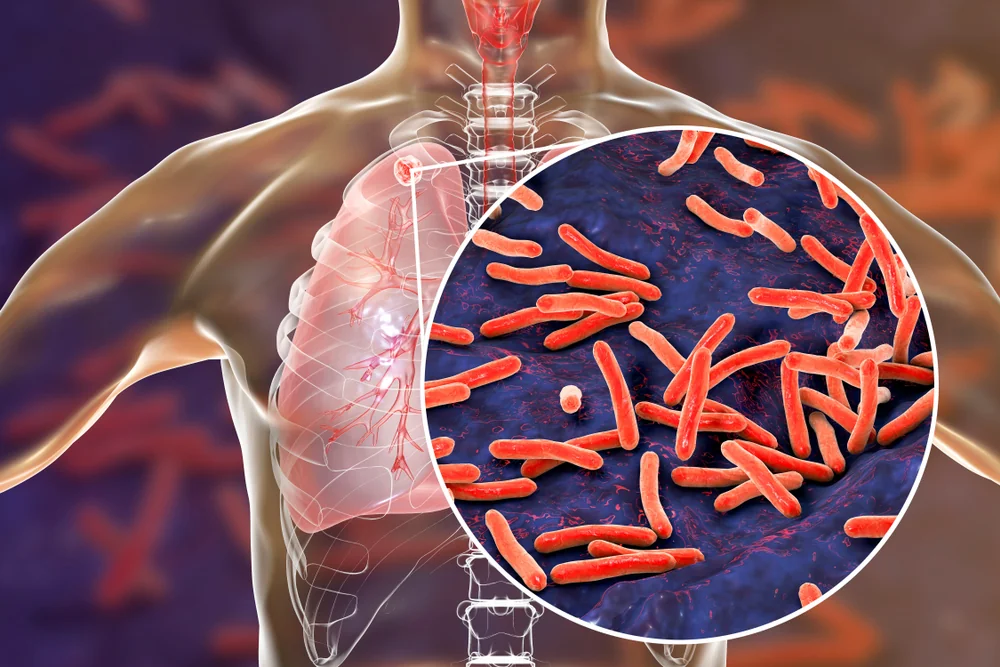
Tuberculosis, often called TB, is an infectious disease caused by the bacterium Mycobacterium tuberculosis. It usually affects the lungs and continues to affect millions of people worldwide. Most TB is treated with medicines, but surgery may be needed in selected cases. It can form an important part of treatment when the bacteria are resistant to medicines, permanent lung damage has developed, or complications occur. Recovery after TB surgery is a common concern for patients and needs attention to both physical and psychological health.
Related videos and posts
The linked Instagram content is in Turkish.
Prof. Dr. Kemal Karapınar draws on his experience in thoracic surgery and TB care to guide patients through this period. His patient-centred approach takes individual needs into account when planning recovery. This article explains the main stages of recovery after TB surgery, with the aim of providing clear information and helping patients make informed decisions during a demanding period.
For the broader clinical context, see Lung Infections That May Need Surgery.
Although recovery varies from person to person, a structured approach is useful. Continuing the prescribed medicines, attending follow-up appointments and making appropriate lifestyle changes are important parts of recovery. The following sections explain these in more detail.
What Is Tuberculosis Surgery, and When Is It Needed?
TB surgery may be considered when medicines alone are not controlling the condition or when a complication needs treatment. TB is usually treated with a combination of anti-tuberculosis medicines; the length of treatment depends on drug susceptibility, the regimen used and the individual patient. In some cases, resistance develops or complications such as cavities in the lungs and haemoptysis (coughing up blood) occur. Surgery may then be used to remove damaged tissue or help control infection.
Common types of operation include:
- Resection: Removal of the affected part of the lung, such as a lobectomy (removing a lobe) or segmentectomy (removing a smaller anatomical segment).
- Pneumonectomy: Removal of an entire lung, reserved for selected circumstances.
- Cavity procedures: Operations to manage, close or drain certain cavities that have formed in the lung.
TB can also affect organs outside the lungs. In spinal TB, also known as Pott disease, specialist spinal surgery may be needed to remove infected tissue or stabilise the spine.
Prof. Dr. Kemal Karapınar considers the patient's general health and discusses surgical decisions within a multidisciplinary team. Recovery depends on the procedure, but surgery and medicines work together with the aim of controlling infection. Keeping patients informed and supporting their motivation can help them cope with treatment.
Preparation before surgery is also important. The TB team plans medication before and after the operation according to drug susceptibility and the chosen regimen. Surgery does not replace drug treatment. There is no single rule requiring every patient to receive 3–6 months of medicines before surgery or 12–24 months afterwards.
Early Recovery After Surgery: The First Weeks
The first weeks after TB surgery are an important stage of recovery. The body is recovering from the operation while the team monitors for infection and other complications. A hospital stay of around 5–10 days may be needed in some cases, but the duration varies with the operation and the patient's progress. Heart rate, blood pressure and breathing are monitored closely.
Pain management and breathing care: Pain may come from the chest drain or the incision. Pain-relieving medicines and, where appropriate, techniques such as epidural analgesia can help. Deep breathing, supported coughing and use of a breathing exercise device when prescribed help clear mucus and maintain lung expansion. In suitable patients, these measures can help reduce the risk of complications such as pneumonia; they cannot guarantee prevention.
Nutrition and hydration: Adequate nutrition supports healing. Foods containing protein, such as meat, dairy products and pulses, help tissue repair. Vitamin D or calcium supplements should be used if a deficiency or another indication is identified and a clinician recommends them. Fluid intake should take account of conditions such as heart or kidney disease rather than following a universal increased-fluid target.
Mobility: Early movement is encouraged once the patient is clinically ready; prolonged bed rest is not routinely recommended. Turning in bed, sitting out and taking short walks support circulation and help reduce the risk of blood clots. After spinal surgery, the timing of movement and weight-bearing depends on spinal stability and the procedure performed. A routine 6–8 weeks of bed rest is not appropriate for every patient.
Prof. Dr. Kemal Karapınar develops individual care plans during this period. Anxiety after surgery is common, and psychological support can be helpful. Follow-up appointments allow the team to review recovery and adjust the plan when needed, making the process more manageable.
Intermediate Recovery: Months 1–3
After the first month, many patients move into the next phase of recovery. Wounds continue to heal and daily activities gradually increase. Anti-TB medicines usually continue, so side effects such as nausea and tiredness may still need attention.
Continuing medication: The regimen may include medicines such as isoniazid and rifampicin when the bacteria are susceptible to them. Drug choices and treatment duration depend on susceptibility results and the prescribed regimen; some people need different medicines or longer treatment. Taking the medicines exactly as prescribed is essential and helps reduce the risk of treatment failure and resistance.
Physical rehabilitation: After lung surgery, breathing exercises continue while walking distances increase and gentle exercises are introduced. After spinal TB surgery, a brace and physiotherapy may be used when indicated by the spinal team. A programme might include 20–30 minutes of activity on 3–5 days each week, but the timing and intensity must be adapted to the individual rather than treated as a fixed prescription.
Psychosocial support: Recovery is not purely physical. Family support, peer support groups or counselling can help maintain motivation. Prof. Dr. Kemal Karapınar emphasises empathy, information and realistic recovery goals when supporting patients.
During this period, symptoms such as fever or a changing cough should be monitored. Chest X-rays or CT scans may be used when appropriate to assess progress. Many patients gradually feel more able to return to everyday activities.
Long-Term Recovery: Three Months and Beyond
Longer-term recovery aims to restore function and independence as far as possible. It may take 6–12 months or longer, depending on the underlying disease and surgery. Regular follow-up remains important even after patients become more independent.
Functional recovery: Exercise can help the remaining lung tissue work efficiently and improve physical endurance. After spinal TB, recovery of walking or sensation depends on the degree of nerve injury and may not occur fully in every patient. Vitamin levels, including vitamin D, may be checked when clinically indicated, particularly if deficiency is suspected.
Lifestyle changes: Stopping smoking, limiting alcohol and eating a balanced diet support health. Fruit and vegetables are useful components of a nutritious diet; they should not be presented as a replacement for TB treatment. Stress-management activities, such as suitable relaxation, yoga or meditation, may be helpful if approved by the clinical team.
Follow-up and monitoring: Appointments may be spaced every 3–6 months in some phases of care, with more frequent reviews when necessary. Sputum cultures can help assess response to treatment; drug resistance is investigated with susceptibility testing when indicated. Prof. Dr. Kemal Karapınar plans follow-up according to each patient's risks and clinical progress.
Recovery takes patience. Many patients return to their usual lives and enjoy a good quality of life after successful treatment, although individual outcomes vary.
Lifestyle and Nutrition to Support Recovery
A balanced diet supports recovery and general health. Some patients, particularly those who are underweight, may need additional calories and protein. Chicken, fish, eggs, dairy products and pulses can provide protein. Fruit and vegetables, such as oranges, strawberries, spinach and broccoli, supply vitamins and other nutrients.
Exercise should increase gradually: walking usually comes first, while swimming or cycling should wait until the treating team considers them appropriate. Adults commonly aim for 7–9 hours of sleep, adjusted to their needs. Infection-control advice may include hand hygiene and mask use according to the TB team's assessment of infectiousness and local guidance.
Prof. Dr. Kemal Karapınar incorporates these measures into an overall recovery plan rather than treating any one measure as a cure.
Possible Complications and Ways to Reduce Risk
As with other operations, possible complications include infection, bleeding and respiratory failure. Spinal TB can also involve neurological injury, including paralysis.
Taking medicines as prescribed, following hygiene advice and seeking help promptly are important. Fever, increasing pain or other concerning symptoms should be reported without delay; severe breathing difficulty requires emergency assessment.
The treating team's experience is important in recognising and managing complications early.
Rehabilitation and Support Programmes
Rehabilitation includes physical and breathing therapy. It often starts in hospital and continues at home, with the goal of helping the patient regain independence.
Psychological support can help people manage distress. If depression develops, it needs professional assessment and treatment. Group-based support may also be useful.
Frequently Asked Questions (FAQs)
How long does recovery after TB surgery take?
It varies. The early recovery period may last 1–3 months, while fuller recovery can take 6–12 months or longer. Follow-up helps identify and address problems; it does not guarantee a particular recovery speed.
Does medication continue after surgery?
Yes. Surgery does not replace anti-TB medicines. The medicines and their duration are determined by susceptibility results and the chosen regimen; not every patient needs 12–24 months after surgery.
How is pain managed after TB surgery?
Pain-relieving medicines and appropriate physiotherapy can help. Pain generally improves over time, but persistent or increasing pain needs review.
What should I eat during recovery?
An adequate, protein-rich, varied diet supports tissue repair. Any need for supplements should be assessed individually.
Can I exercise after surgery?
Yes, with the treating team's approval. Activity increases gradually, and breathing exercises often form part of the early plan.
Can TB return after surgery?
Yes. Taking the prescribed medicines and attending follow-up help reduce the risk. Recurrence also depends on the bacteria, the regimen, immune health and other factors.
When can I walk after spinal TB surgery?
This depends on spinal stability, the operation and nerve function. A fixed 6–8 weeks of bed rest does not apply to all patients; the spinal team gives individual advice.
Can breathing problems develop after surgery?
They can. Exercises and physiotherapy may help reduce risk, but a new breathing problem requires medical assessment.
Is psychological support needed during recovery?
Some people benefit from it, particularly when anxiety or distress affects daily life. Support groups and professional counselling are options.
When can I return to everyday life after TB surgery?
Many patients regain more of their usual routine over 3–6 months, although fuller recovery can take a year or longer. The timetable varies substantially.
Conclusion
Recovery after TB surgery requires patience, adherence to treatment and guidance from the clinical team. This article has explained the operation, the early and longer-term recovery stages, lifestyle measures and possible complications. Continuing the prescribed anti-TB medicines and attending regular follow-up are central to care, alongside physical and emotional support.
Prof. Dr. Kemal Karapınar provides patient-centred guidance based on his thoracic surgery experience. This guide aims to answer common questions and support informed discussions with the treating team. For an individual assessment, consult the respiratory medicine and thoracic surgery teams involved in your care.
Sources and further reading
These resources provide general background on this topic; they do not replace an individual medical assessment.