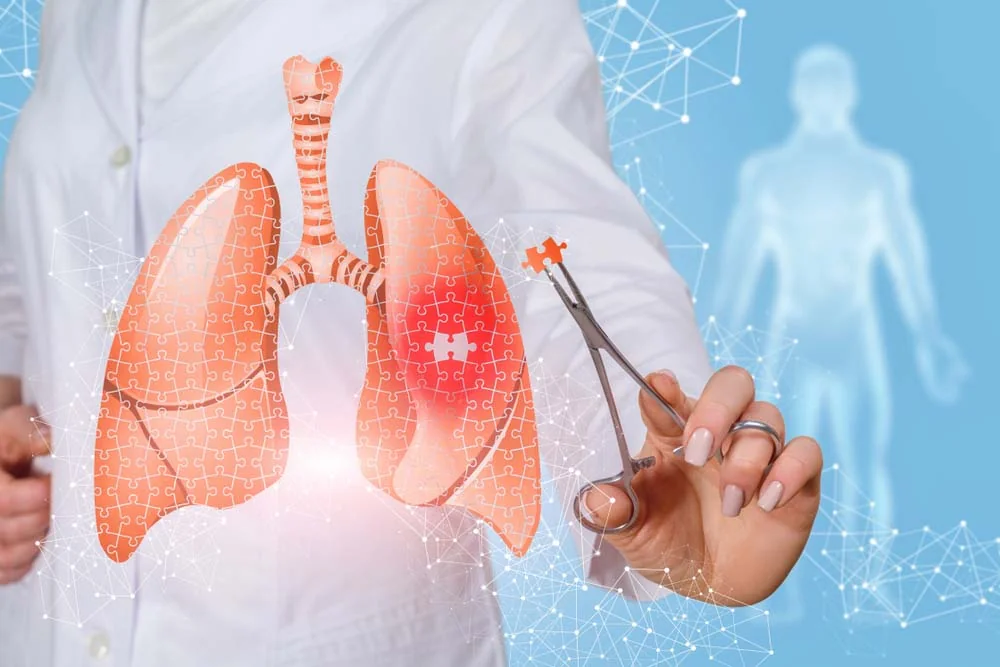
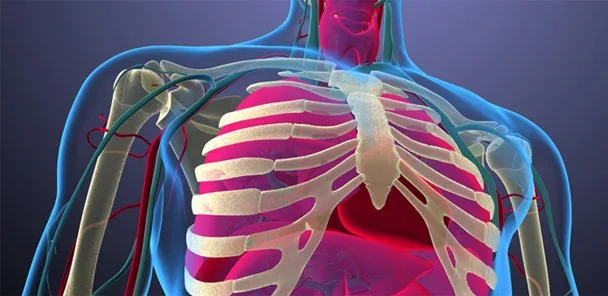
Video-assisted thoracoscopic surgery (VATS) is a minimally invasive approach to examining and treating conditions inside the chest through small incisions and a camera. “Keyhole chest surgery” and “thoracoscopic surgery” describe the same approach. The actual procedure depends on the condition, from taking a biopsy to removing lung tissue.
Related videos and posts
The linked Instagram content is in Turkish.
What is VATS and how does it differ from open surgery?
In VATS, the surgeon operates using images on a screen. An open operation, called a thoracotomy, provides direct access through a larger incision. In suitable patients VATS may mean smaller wounds, less pain and a shorter stay. It is not appropriate for every operation.
One, two or several incisions may be used. “Keyhole” describes the access, rather than the size or risk of the operation performed inside the chest.
Which conditions can VATS treat?
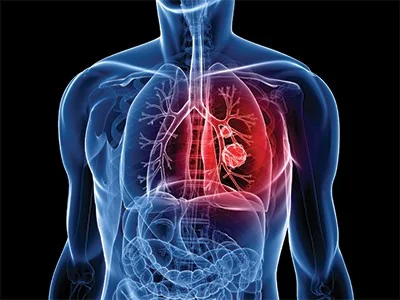
- Lung nodules and undiagnosed lesions: VATS can obtain tissue or remove suitable lesions. Lung nodule assessment considers surveillance and biopsy options together.
- Lung cancer: Suitable patients may have a lobectomy or segmentectomy. The amount of lung removed is selected according to the tumour and lymph nodes, not simply the incision type. See lung cancer surgery. More extensive resections may be considered in selected cases.
- Pneumothorax: Pneumothorax surgery may control an air leak and reduce recurrence.
- Pleural disease: VATS can obtain pleural biopsies, drain fluid and treat selected infections.
- Mediastinal masses and some diaphragm disorders: Suitability depends on location and involvement of surrounding structures.
- Lung infections and hydatid cysts: Most routine infections do not require surgery. Antibiotics are usually the first treatment for a lung abscess; VATS may be considered for selected complications or treatment-resistant disease. Cysts also require individual assessment.
Assessment and preparation
The team reviews imaging, diagnosis, lung function and other health conditions. Lung function testing and cardiac assessment may be needed. Tell the team about your medicines, especially anticoagulants; do not stop them yourself.
Diagnostic VATS focuses on obtaining a diagnosis. Awake VATS uses a different anaesthetic approach in selected patients; it is not routine for everyone. Robotic surgery is another approach, chosen according to the condition and specialist assessment.
How is the operation performed?
- General anaesthesia is usually used.
- A camera and instruments pass through small incisions.
- The planned biopsy, resection or other treatment is performed.
- A chest drain may be placed to remove air and fluid.
- Breathing, pain, drainage and air leakage are monitored.
Bleeding, adhesions or difficulty obtaining safe access may require conversion to an open operation. This decision is made for safety.
Risks and limitations
Risks include bleeding, infection, prolonged air leakage, blood clots, abnormal heart rhythm and persistent pain. They depend on the procedure and the person's health. Open surgery may be more appropriate for some large tumours or disease involving surrounding structures.
Recovery and follow-up
There is no fixed hospital stay or return-to-work time for everyone. Recovery after a biopsy differs from recovery after a lobectomy. Drain removal depends on air leakage, fluid drainage and lung expansion.
Pain relief, the prescribed breathing exercises and early walking support recovery. Discuss wound care, driving, heavy lifting and flying with your team before discharge. Contact the team for fever or increasing wound redness or discharge. Sudden breathlessness or severe chest pain needs emergency assessment.
Preparing for a consultation
Bring any CT images, pathology reports and a list of medicines. A consultation can clarify the procedure needed, suitability for VATS and alternatives. See my professional background or contact options.
Further reading on this topic
For the difference between discharge, drain care and returning to work, see how long recovery after VATS takes.