
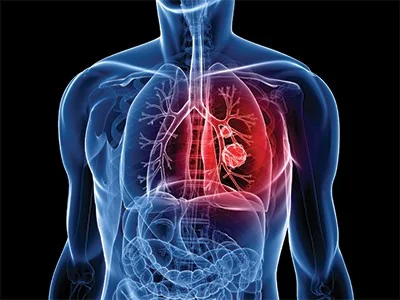
Thoracic surgery involves the lungs, thymus gland, oesophagus or other structures in the chest. Operations may be performed for conditions such as lung cancer or pneumothorax, with the aim of treating disease and, where possible, supporting quality of life. The period after surgery can be physically and emotionally demanding. Appropriate care and activity help the body recover. Breathing and movement exercises can support lung expansion, muscle strength and rehabilitation. Their effects vary, but suitable exercises may help breathing comfort, shoulder movement, physical endurance and a return to daily activity.
Related videos and posts
The linked Instagram content is in Turkish.
For the broader clinical context, see Minimally Invasive Chest Surgery (VATS).
Prof. Dr. Kemal Karapınar prioritises a safe, individual recovery plan. Born in Samsun, he completed his medical education at Ondokuz Mayıs University Faculty of Medicine, trained in thoracic surgery at Yedikule Chest Diseases and Thoracic Surgery Training and Research Hospital, and continued academic work at the University of Health Sciences. His practice includes minimally invasive approaches such as VATS and patient-centred care. This article describes exercises used after chest surgery and addresses common questions. Every patient is different: these are general examples, not a personal exercise prescription.
Patients often ask what exercises involve and how to do them. Rehabilitation may begin in the first days after surgery, with breathing exercises, gentle shoulder movement and short walks, then progress gradually. Possible benefits include better ventilation, mucus clearance and an easier return to everyday activity. The timing depends on the procedure and clinical progress; some activities start in the first week, while returning to a fuller routine may take months. Prof. Dr. Kemal Karapınar adapts the programme to the operation and the patient's needs. The following sections describe eleven examples.
1. Deep Breathing Exercises
Deep breathing is a basic part of many postoperative rehabilitation programmes. In suitable patients it helps expand the lungs and may contribute to reducing atelectasis, in which an area of the lung is not fully inflated. Atelectasis can affect breathing after surgery.
How to do it: Sit or lie in a comfortable position. Take a slow, comfortable breath in through your nose, allowing the lower ribs and abdomen to move without forcing the effort. Briefly hold the breath for around 3–5 seconds if comfortable, then breathe out slowly. Your physiotherapist should set the number and frequency of repetitions. Pause if you become dizzy or noticeably breathless. Prof. Dr. Kemal Karapınar emphasises a technique that supports breathing comfort rather than reaching a forced target. Deep breaths can help lung expansion and prepare for mucus clearance. Start gently, and ask for pain relief advice if pain prevents an effective breath.
Practising an appropriate technique regularly can help some patients breathe more comfortably as recovery progresses.
2. Supported Coughing
Coughing helps clear mucus after surgery but can be uncomfortable. Supporting the incision can make an effective cough easier.
How to do it: Sit upright and gently support the operated area with a pillow or folded towel. Breathe in, then cough or use a huffing technique as demonstrated by your physiotherapist. Repeat when mucus needs clearing rather than coughing forcefully without a reason. This helps clear secretions and maintain open airways, but does not guarantee prevention of infection. Prof. Dr. Kemal Karapınar uses individual advice to improve comfort. Keep an upright posture and avoid excessive straining.
Supported coughing is one part of protecting breathing function after an operation, alongside pain relief and movement.
3. Shoulder Rolls
Chest surgery can leave the shoulder and back muscles stiff. Gentle shoulder rolls can help maintain movement and ease tension.
How to do it: While sitting, slowly roll your shoulders forward, upward, backward and downward. An example is 5–10 repetitions in each direction, if your team agrees. The movement can support flexibility and posture. Prof. Dr. Karapınar includes appropriate shoulder movement in advice about returning to daily activities. Move slowly and do not force the operated side beyond the permitted range.
Shoulder movement is commonly included in postoperative rehabilitation, with any restrictions determined by the operation.
4. Arm Raises
Arm movements can help restore shoulder range of motion. They must be adapted when the operation involves the chest wall, breastbone or other structures that need protection.
How to do it: Sitting or standing, move the arms out to the sides and gradually raise them within the comfortable range allowed by your team. You may be advised to hold briefly, for example 5–10 seconds, then lower them. The original example of three sets of ten repetitions is not a target suitable for everyone: use the number prescribed by your physiotherapist. The aim is to support useful movement rather than push through pain. Prof. Dr. Kemal Karapınar emphasises an individual plan and review if movement causes concern.
This exercise may support recovery when performed at an appropriate stage and within the advised limits.
5. Wall Walks
Wall walks are a gentle way to practise shoulder movement.
How to do it: Face a wall, place your fingertips against it and slowly “walk” them upwards to a comfortable, permitted height. Hold briefly and lower the hand. Five to ten repetitions may be used as an example if approved by the team. This can help preserve shoulder range of motion. Prof. Dr. Karapınar may include it in rehabilitation after suitable minimally invasive procedures. Keep your balance and do not lean or push forcefully against the wall.
6. Shoulder Blade Squeezes
This movement targets the muscles around the shoulder blades and supports posture.
How to do it: While sitting upright, gently bring the shoulder blades towards one another, hold for about five seconds and relax. Ten repetitions is one possible example, subject to the team's advice. Avoid arching the back or forcing the movement. Prof. Dr. Kemal Karapınar considers postural exercises as part of longer-term functional recovery.
7. Walking
Gentle walking supports circulation, endurance and confidence with daily activities.
How to do it: Start with short, slow walks at the frequency and distance advised by your team. A total of 10–20 minutes may be suitable later in recovery, but some people need much shorter sessions initially. Increase gradually and include rest breaks. Prof. Dr. Karapınar emphasises that achievable walking goals can also support motivation.
8. Ankle and Leg Pumping
Moving the ankles and legs helps circulation while sitting or lying down. It is one part of blood-clot prevention and does not replace prescribed medicines or other preventive measures.
How to do it: Move your ankles up and down or gently in circles, as demonstrated by the team. Ten repetitions is an example rather than a requirement. Report a new painful or swollen leg, and seek urgent help for sudden breathing difficulty.
9. Posture Exercises
A comfortable upright posture can make breathing and shoulder movement easier.
How to do it: Sit or stand with the back supported and shoulders relaxed. A wall can provide light support, but avoid forcing the operated area against it. The aim is to reduce protective hunching without causing pain.
10. Incentive Spirometry
An incentive spirometer is a device that provides visual feedback during a slow, deep breath. It is used when the clinical team considers it helpful.
How to do it: Follow the technique demonstrated by your physiotherapist and use the prescribed target. It is an aid to breathing practice, not a guarantee against postoperative lung complications.
11. Gentle Stretching
Gentle stretching can support flexibility and relaxation.
How to do it: Move the arms and other permitted areas slowly into a comfortable stretch and briefly hold, following the team's advice. Avoid sudden movements, breath-holding or stretching through pain.
These eleven examples must be adapted to the patient and operation. The suggested repetitions are examples. Operations involving repair of the breastbone, chest wall or other structures may require specific restrictions. Stop exercising and contact your team if you develop chest pain, marked breathlessness, dizziness or palpitations; severe symptoms require emergency help.
Frequently Asked Questions (FAQs)
When should exercises begin after thoracic surgery? Gentle breathing and movement exercises often begin in the first days after surgery when the team considers the patient ready. Intensity increases gradually.
Will exercises make pain worse? Suitable movement may help stiffness, but pain is a reason to adjust the technique and review pain control. Do not force an exercise that causes increasing pain.
What are postoperative exercises, and why are they important? They are breathing and movement activities intended to support rehabilitation, mucus clearance and a safe return to activity. They may reduce some complications, but cannot prevent all of them.
How should I perform the exercises? Use the step-by-step technique demonstrated by your team, move slowly and practise at an appropriate frequency.
What benefits can they offer? They can support breathing efficiency, mobility and physical endurance during recovery.
Do exercises treat the original disease? They have a supportive rehabilitation role. They do not replace surgery, medication or other treatment for the underlying condition.
Which method is best? The best programme is the one suited to the operation, clinical progress and the patient's abilities, with guidance from the treating team.
How long should exercises continue? They are commonly part of the first months of recovery and may later become part of a regular activity routine. Duration is individual.
Who can do these exercises? The team assesses suitability and restrictions. Not every exercise is appropriate for every patient.
What precautions should I take? Stay within the advised movement range, avoid forcing through pain and report concerning symptoms. Practise consistently at the intensity approved for you.
Conclusion
These eleven exercise examples describe ways to support recovery after thoracic surgery. From breathing practice to walking, suitable movements can help restore confidence, maintain flexibility and make daily activities easier. Patience and a gradual, consistent approach are important. Prof. Dr. Kemal Karapınar's patient-centred care provides the context for individual rehabilitation guidance. Discuss the programme with your thoracic surgery and respiratory medicine teams rather than following a generic list without assessment.
Sources and further reading
These resources provide general background on this topic; they do not replace an individual medical assessment.