Lung lesions are abnormal growths or areas of damage in lung tissue. They can develop for many reasons, and some may indicate a serious condition such as cancer. Other lesions can be monitored without a definite diagnosis or without causing symptoms. They are often found incidentally on imaging tests and may initially be described as “undiagnosed”. This article discusses their possible causes, symptoms, diagnostic tests and treatment options.
Related videos and posts
The linked Instagram content is in Turkish.
For the broader clinical context, see Lung Nodule Follow-up and Surgery.
1. What Are Undiagnosed Lung Lesions?
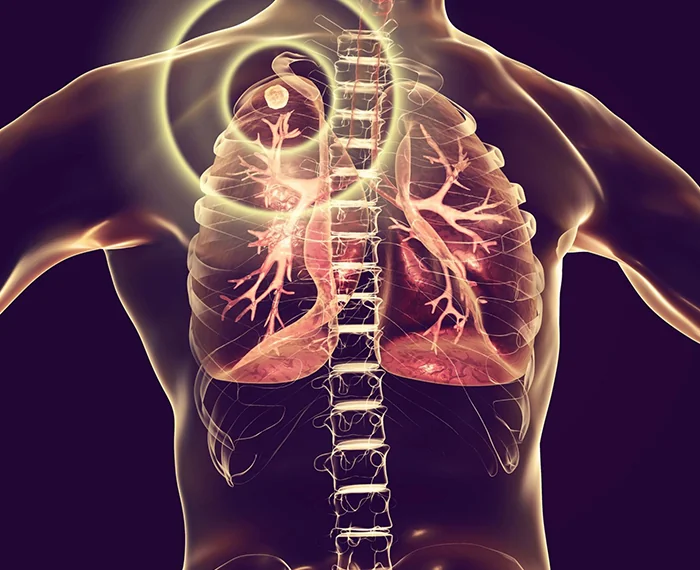
Undiagnosed lung lesions are abnormalities seen on imaging, such as an X-ray, computed tomography (CT) scan or magnetic resonance imaging (MRI), whose cause is uncertain or which are not associated with symptoms. They are often small and cause no symptoms, so patients may not know they are present. Some lesions, however, can be signs of lung disease and require further investigation.
How they are found:
- An incidental finding: They are often discovered during scans performed for another health concern.
- No symptoms: Many do not cause symptoms, and doctors may need further tests to establish their cause.
2. Causes of Undiagnosed Lung Lesions
The cause varies from person to person. Possibilities include:
Benign lesions: Some lung lesions are non-cancerous growths, such as tumours or nodules that do not invade normal lung tissue.
- Hamartomas: These benign lung tumours may remain undiagnosed initially and often cause no symptoms.
- Granulomas: These small collections of inflammatory cells can develop after infection or inflammation. Tuberculosis, sarcoidosis and fungal infections can cause lung granulomas.
Lung infections: Viral, bacterial or fungal infections can produce abnormal areas in the lung. Some are temporary and disappear with treatment.
Lung cancer: Cancer may first appear as a small nodule or lesion that is difficult to diagnose. Symptoms are often absent in the early stages, which can make detection challenging.
- Benign masses: Many small masses are not lung cancer, but further assessment may still be needed to identify their cause.
Lung cysts: Some cysts are fluid-containing, usually benign structures. They may be visible on imaging without causing symptoms.
Pulmonary embolism (a blood clot in the lung): Clots can block lung blood vessels and cause areas of tissue injury. This can occasionally go unrecognised and may be serious.
Trauma and injury: Injury to the lung, for example in an accident, can also cause lesions. Some become apparent only on imaging.
3. Symptoms and Risk Factors
Undiagnosed lung lesions often cause no symptoms, and people may be unaware of them. Some larger or more advanced lesions can cause symptoms, including:
- Shortness of breath: A lesion may affect lung function and make breathing difficult.
- Chest pain: Pressure on surrounding structures may cause pain.
- Cough: Lung lesions may sometimes cause a cough.
- Coughing up blood: Occasionally, a cancerous lesion can bleed, causing blood in the sputum.
- Marked weight loss and tiredness: Lesions associated with serious illnesses such as cancer can cause more general symptoms.
Risk factors:
- Smoking: Smoking is a major risk factor for lung cancer and other lung diseases.
- Family history: A family history of lung cancer or certain other lung diseases may increase risk.
- Air pollution: Long-term exposure can contribute to lung disease and abnormal lung changes.
- Occupational exposure: Exposure to asbestos or other toxic substances can contribute to lung lesions.
4. Diagnostic Tests
Several imaging methods and tests can help establish the cause of a lung lesion:
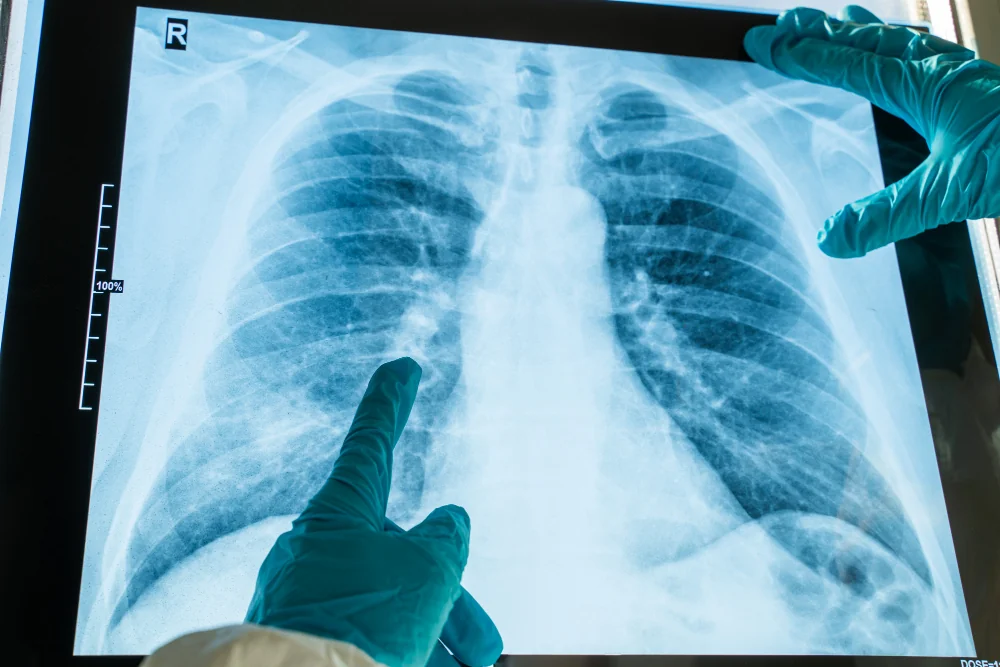
Chest X-ray: Larger lesions may be visible, but small lesions may not be seen.
Computed tomography (CT): CT provides more detail about small nodules and lesions, including their size, shape and location.
Magnetic resonance imaging (MRI): MRI can provide additional detail in selected circumstances, although it is used less often for assessing lung lesions themselves.
PET scan: Positron emission tomography can identify areas of increased metabolic activity. It may help assess a lesion suspicious for lung cancer.
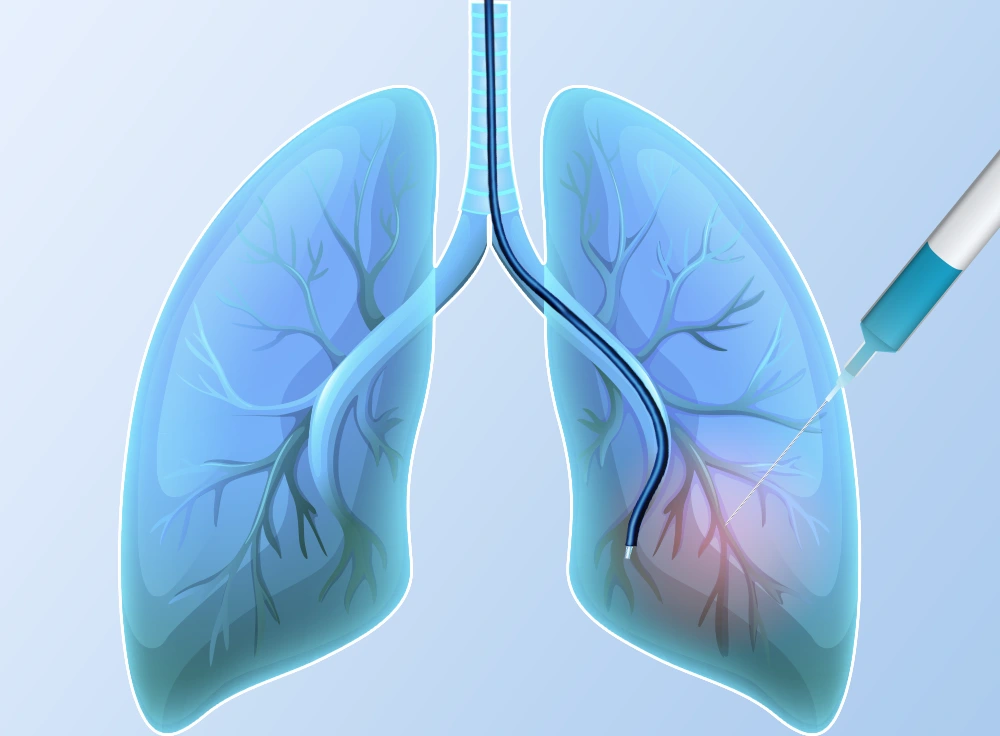
Biopsy: A tissue sample may be taken from a suspicious lesion and examined under a microscope. This is important for diagnosing malignant conditions such as cancer.
5. Treatment and Monitoring
Treatment depends on the lesion's type and cause. Benign lesions often do not need treatment, whereas malignant lesions, such as lung cancer, may require active treatment.
Treatment options:
- Benign lesions: These are often monitored without treatment.
- Lung cancer: Cancerous lesions detected at an early stage may be removed surgically. Chemotherapy or radiotherapy may also be appropriate, depending on the diagnosis and stage.
- Antibiotic or antiviral treatment: These may be needed when a relevant bacterial or viral infection is responsible.
- Drainage: If associated fluid accumulation makes breathing difficult, draining that fluid may help.
Monitoring: Many undiagnosed lesions require regular follow-up. Their size should be checked over time, and new symptoms should prompt reassessment.
Sources and further reading
These resources provide general background on this topic; they do not replace an individual medical assessment.