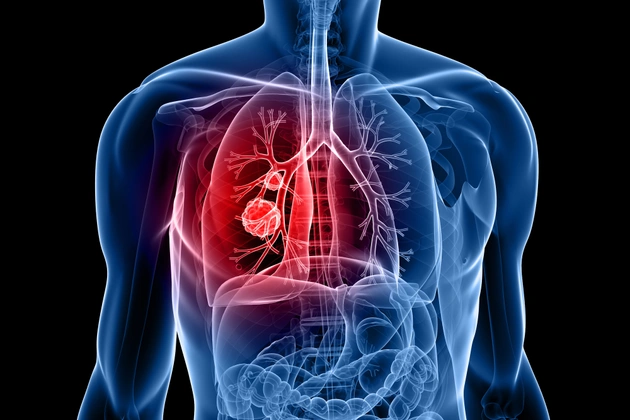
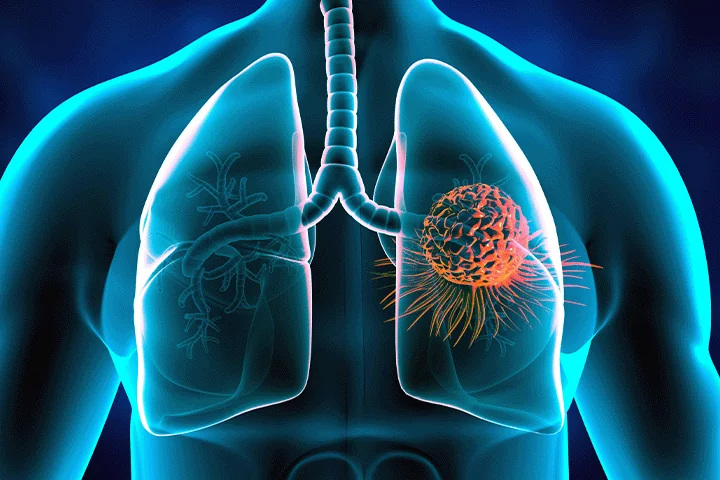
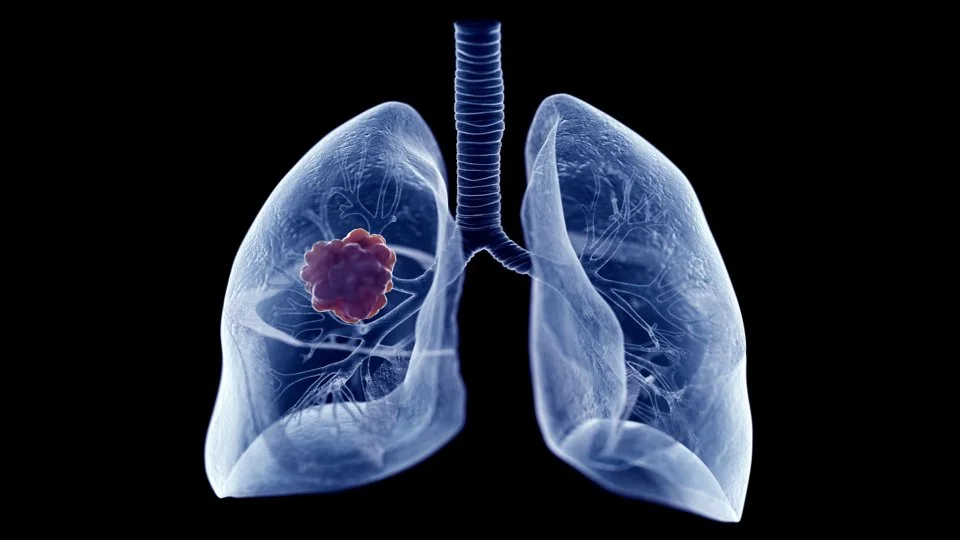
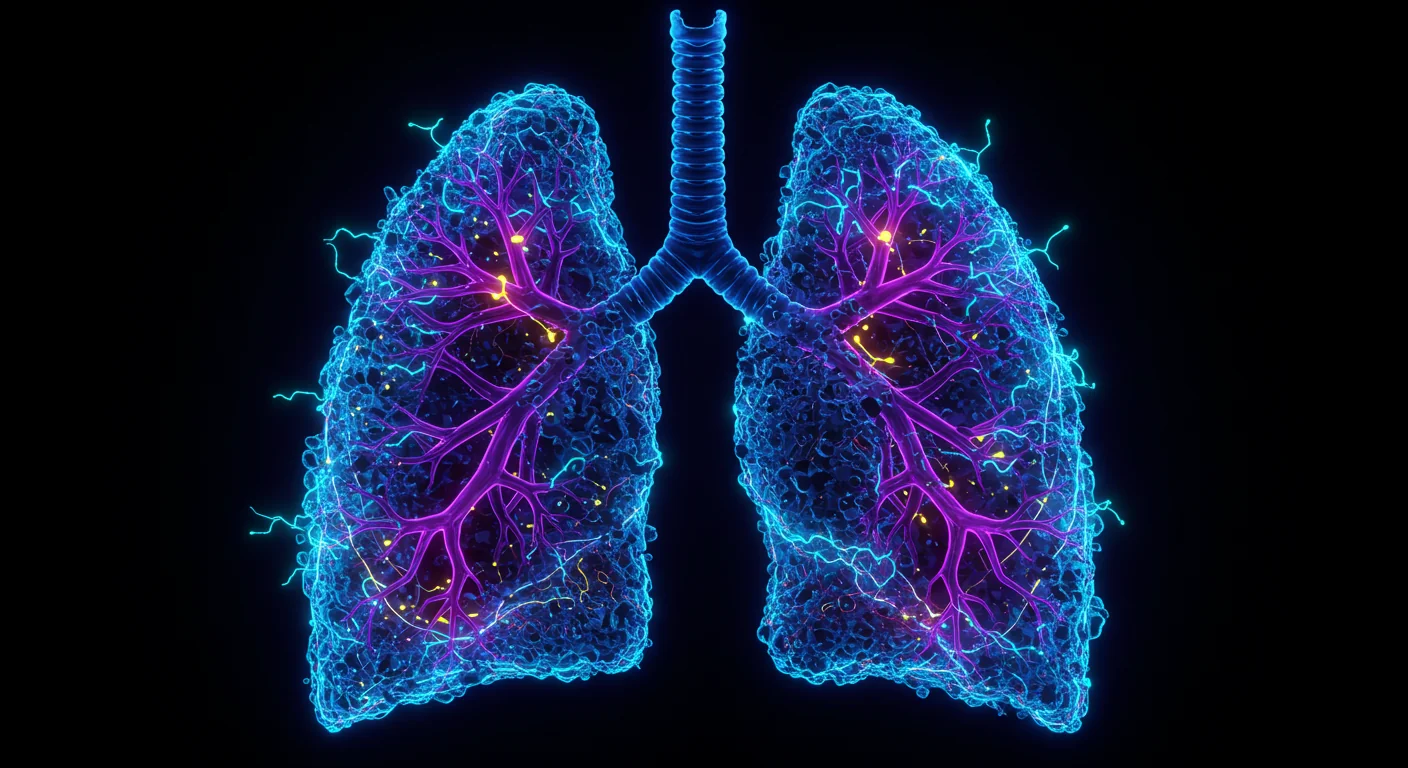
Lung cancer is one of the most common cancers worldwide. Early diagnosis and effective treatment can improve its course. One approach used in lung cancer care is neoadjuvant treatment: treatment given before a planned operation. It may involve chemotherapy, immunotherapy and, in selected circumstances, radiotherapy. By shrinking the tumour and treating disease beyond what can be seen on scans, it may improve the overall treatment outcome in suitable patients.
Related videos and posts
The linked Instagram content is in Turkish.
For the broader clinical context, see Lung Cancer: Symptoms, Treatment and Surgery.
This article explains lung cancer surgery after neoadjuvant treatment, including how chemotherapy, immunotherapy and radiotherapy can affect surgical planning.
What Is Neoadjuvant Treatment?
Neoadjuvant treatment is treatment delivered before surgery. In lung cancer, its aims can include shrinking the tumour, treating microscopic cancer deposits and reducing the risk of recurrence. It is selected as part of an overall treatment plan rather than as a guarantee that an operation will become easier or that the disease will not return.
Neoadjuvant regimens may include chemotherapy, immunotherapy or radiotherapy, alone or in an appropriate combination. They are used in selected potentially resectable cancers; the choice depends on stage, tumour biology and the patient's condition.
Lung Cancer Surgery After Neoadjuvant Treatment
Surgery after neoadjuvant treatment is planned according to the cancer's location, size, lymph-node involvement and the patient's general health. The aim is to establish whether the tumour can be completely removed with an acceptable risk. Shrinking the tumour and controlling microscopic disease may contribute to this goal.
After surgery, follow-up continues to monitor recovery and look for recurrence. Although neoadjuvant treatment may improve cancer outcomes, it can also cause side effects and does not automatically improve general health or make postoperative recovery faster.
Types of Neoadjuvant Treatment
- Chemotherapy
Chemotherapy uses medicines to kill cancer cells or slow their growth. In selected lung cancers it is given before surgery, sometimes with immunotherapy, to shrink the tumour and treat microscopic disease.
The aim is to support complete tumour removal and improve the overall treatment result. Medicines are often given intravenously in cycles over a defined period. The established surgical neoadjuvant setting is principally selected non-small cell lung cancers. Surgery is uncommon in small cell lung cancer and is restricted to carefully staged, very early cases; a routine chemotherapy-then-surgery pathway should not be assumed for this type.
Chemotherapy may help by:
- Reducing tumour size: A smaller tumour may be easier to remove, although treatment-related scarring can still make the operation demanding.
- Treating microscopic spread: Systemic medicines can act on cancer cells beyond the visible tumour and may reduce recurrence risk.
- Treating disease before surgery: Treatment is coordinated with the planned operation, with reassessment to confirm that surgery remains appropriate.
- Immunotherapy
Immunotherapy helps the immune system recognise or attack cancer cells. In lung cancer, immune checkpoint inhibitors may be used with chemotherapy before surgery in suitable patients. They alter specific immune signals rather than simply strengthening every aspect of immunity.
Possible effects include:
- Supporting an anti-cancer immune response: Immune cells may become better able to recognise and attack the tumour. This can reduce recurrence risk in appropriately selected patients.
- Tumour shrinkage: Combining immunotherapy with chemotherapy can improve tumour response in some resectable cancers.
- Improved longer-term outcomes: Some regimens improve outcomes such as event-free survival and overall survival in the patient groups studied. Individual responses vary.
Examples of immunotherapy medicines include:
- PD-1 inhibitors, such as pembrolizumab and nivolumab.
- CTLA-4 inhibitors, such as ipilimumab, used in particular lung cancer settings; this is not a standard neoadjuvant option for every surgical patient.
Immunotherapy has a different side-effect profile from chemotherapy. It can cause serious immune-related inflammation, and it is not necessarily the treatment with fewer side effects for an individual patient. Some cancers do not respond. Its use before surgery depends on the cancer type, stage, molecular findings and clinical circumstances.
- Radiotherapy
Radiotherapy uses high-energy radiation to damage cancer cells. Before surgery, it is used in selected situations, often with chemotherapy, to improve local disease control and the possibility of complete removal. It is not a routine preoperative treatment for every localised lung cancer.
Its possible roles include:
- Shrinking the tumour: Radiation may reduce the tumour before an operation.
- Improving local control before surgery: In a suitable combined-treatment plan, it can help treat disease in or near the primary tumour. Treatment must balance these benefits against effects on tissues and surgical risk.
Radiotherapy may be considered when:
- The tumour's location makes complete surgical removal difficult.
- A selected tumour needs combined treatment before an operation.
- The local extent of disease and multidisciplinary assessment support this approach.
The Surgical Process After Neoadjuvant Treatment
The operation is selected according to cancer type, stage, location and the patient's fitness. Common extents of lung resection include:
- Lobectomy: Removal of one lung lobe; this is a common operation for resectable lung cancer.
- Pneumonectomy: Removal of an entire lung when a lesser operation cannot achieve adequate tumour removal and the patient can tolerate it.
- Segmentectomy: Removal of an anatomical lung segment. It is considered in carefully selected cases, particularly some small early-stage tumours, rather than being a routine choice after neoadjuvant treatment.
Neoadjuvant treatment may improve disease control and the prospect of complete resection in suitable patients. The team reassesses both the tumour and the patient's fitness before deciding whether to proceed. Neither an uncomplicated operation nor a faster recovery can be guaranteed.
Sources and further reading
These resources provide general background on this topic; they do not replace an individual medical assessment.