
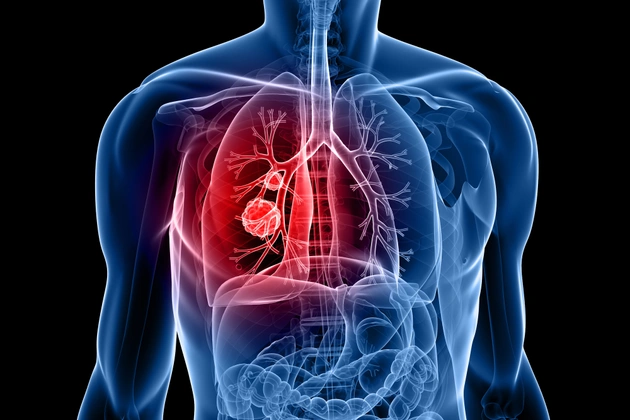
Lung cancer remains a major global health challenge and an important focus of medical research. Advances in oncology mean that some patients can achieve long-term disease control, and early-stage disease may be curable. Outcomes still vary widely, so these advances should not be understood as a universal cure. Lung cancer treatment increasingly combines molecular information, imaging and the individual's clinical needs to build a personalised plan.
Related videos and posts
The linked Instagram content is in Turkish.
For the broader clinical context, see Lung Cancer: Symptoms, Treatment and Surgery.
Established treatments remain important, while newer approaches target particular tumour characteristics or use the immune system to fight cancer. They can reduce some forms of damage to healthy tissue, but each has potential risks. This article reviews the stages of treatment, newer medicines and strategies supporting quality of life within current care in 2026.
Diagnosis and the First Steps in Treatment
Accurate and timely diagnosis is the foundation of treatment planning. Modern tests aim not only to identify a mass, but also to determine its cell type, extent and characteristics that may predict a response to medicines. Before lung cancer treatment, a liquid biopsy may analyse circulating tumour DNA, or ctDNA, in a blood sample to identify relevant genetic changes. It can complement tissue testing, particularly when tissue is limited, but it does not routinely replace the tissue biopsy needed for diagnosis.
PET-CT and MRI are used when appropriate to assess the extent of disease. They provide valuable detail but are not infallible. Distinguishing small cell from non-small cell lung cancer helps determine whether treatment is primarily surgical, systemic or a combination. Care increasingly follows an “analyse and target” approach based on information from the tumour and the patient.
Treatment Options: Surgery
Complete removal remains a major treatment for suitable patients with early-stage lung cancer. Surgical approaches have become less invasive in many cases. Robot-assisted thoracic surgery (RATS) uses instruments controlled by the surgeon at a console. The system can filter hand tremor and provide precise movement in confined spaces.
Potential advantages include:
- Less postoperative pain through smaller incisions.
- A shorter hospital stay and earlier return to everyday activities.
- Precise tissue handling and potentially less bleeding in suitable procedures.
These minimally invasive operations are increasingly used alongside, rather than universally replacing, open surgery. Suitability depends on the tumour, lung function and the patient's overall condition. Surgery aims to remove the tumour and appropriately assess or remove lymph nodes; this helps staging and treatment planning but cannot guarantee that cancer will never return.
Targeted Medicines in Lung Cancer Treatment
Targeted therapies, sometimes called “smart drugs”, are a major advance in oncology. Rather than treating all tumours alike, they act on specific changes that help cancer cells grow. If a suitable alteration involving EGFR, ALK, ROS1, KRAS or BRAF is found, a medicine directed at that particular target may be available.
These drugs act differently from conventional chemotherapy and can have a different side-effect profile. They are not completely selective for cancer cells and can still affect healthy tissues or cause serious adverse effects. Many are tablets that can be taken at home with regular monitoring. Later-generation medicines can help some patients whose cancer develops resistance to earlier treatment, sometimes allowing disease control for years. Benefit depends on the exact alteration and treatment response.
Immunotherapy: A Different Approach
Immunotherapy uses the body's immune response against cancer. Immune checkpoint inhibitors can block inhibitory signals that restrain immune cells, helping the immune system recognise and act against a tumour.
Tests such as PD-L1, together with molecular findings, tumour type and the person's health, help guide use. Some patients with advanced disease achieve prolonged responses, occasionally with no detectable tumour, but this does not occur in everyone and is not necessarily a cure. Immunotherapy can be given alone or in a planned combination with chemotherapy or radiotherapy. It has become an important treatment option, while immune-related inflammation and other side effects require monitoring.
Modern Radiotherapy and Chemotherapy
Radiotherapy and chemotherapy remain important parts of lung cancer treatment and have continued to develop. Techniques such as stereotactic body radiotherapy (SBRT) deliver precisely planned high doses to selected tumours while limiting exposure of healthy lung and nearby organs such as the heart. Healthy tissue cannot be completely spared, and potential side effects still need to be discussed.
Chemotherapy formulations and drug-delivery systems also continue to evolve. Some specialised formulations are used clinically, while many nanotechnology-based approaches remain under study rather than routine for every patient. Modern supportive medicines have improved management of nausea and low blood counts, although these problems have not disappeared.
Life After Treatment and Supportive Care
Long-term recovery and quality of life remain important during and after treatment. Pulmonary rehabilitation can help selected patients improve exercise tolerance, breathing techniques and day-to-day function. Breathing exercises are adapted to the patient's lung condition and recovery.
Stopping smoking is one of the most important steps. Support programmes and medicines can help people stop, improving general health and treatment-related risks; a fixed improvement in “treatment success” cannot be promised. Attention to air quality, regular gentle walking when appropriate and measures to reduce infection exposure also support wellbeing.
Nutrition and Emotional Wellbeing
Adequate nutrition helps maintain strength during treatment. People receiving lung cancer treatment usually benefit from enough protein, a varied diet including fruit and vegetables, and an intake adapted to appetite and nutritional needs. Limiting highly processed foods and including suitable healthy fats can support general nutrition. No particular sugar restriction or supplement has been shown to cure cancer, and unintentional weight loss may require specialist dietary help.
Psychological wellbeing matters for quality of life and coping. A positive attitude should not be presented as a guarantee of immune response or treatment success, nor should patients be blamed for distress. Meditation, relaxation or breathing techniques and social support can help manage anxiety and fatigue. A holistic approach addresses emotional needs alongside physical treatment.
Personalised Medicine: Genetic Profiling
There is no single plan suitable for everyone. Where indicated, comprehensive genomic profiling of a tumour sample identifies changes that may offer treatment opportunities. Occasionally, a rare alteration allows use of a specific medicine.
Personalised medicine aims to avoid treatments unlikely to help and choose options with the best balance of expected benefit and harm. Tests do not guarantee a response, and not every identified change has an available treatment. The goal is careful, individualised decision-making rather than a one-size-fits-all approach.
Information About Your Treatment Plan
The course of treatment varies according to medicines used, the surgical procedure and any hospital stay required. Targeted medicines and immunotherapy plans are determined individually.
For information about current lung cancer treatment options, operative details and an individual assessment, use the channels on our contact page or the telephone numbers provided. Understanding the plan and discussing questions are important parts of care.
Frequently Asked Questions
The following answers address common concerns about lung cancer and treatment.
1. How Long Does Treatment Take?
Duration depends on the type and stage of cancer and the treatments needed. Recovery after early-stage surgery may take several weeks, though additional treatment may be recommended. Targeted therapy or immunotherapy for advanced disease can continue for months or years in some patients. The aim is effective disease control and quality of life, not simply a short treatment period.
2. Can Stage 4 Lung Cancer Be Completely Cured?
Stage 4 means the cancer has spread. Modern targeted therapies and immunotherapy can provide long-term control for some patients, and complete responses are occasionally seen. However, stage 4 lung cancer is generally not considered curable, and a complete response does not guarantee permanent cure. Prognosis depends on tumour biology, disease extent, general health and response to treatment. The care team can explain realistic goals for the individual.
3. What Side Effects Can Targeted Medicines Cause?
Side effects differ between medicines and may differ from those of chemotherapy. Rash, diarrhoea and tiredness are common with some drugs. Other side effects can be more serious, including effects on the liver, heart or lungs, depending on the medicine. Many problems can be managed, but patients need monitoring and should report new symptoms promptly rather than assuming all effects are mild.
4. What Should I Eat During Treatment?
Protein helps preserve muscle. Fruit and vegetables, whole grains and suitable healthy fats, such as olive oil or avocado, can form part of a balanced diet. Limit foods that worsen symptoms or displace necessary nutrients. Small, frequent meals may help when appetite is low. The best plan depends on weight, symptoms, other illnesses and treatment, and a dietitian can help.
5. What Is Liquid Biopsy, and Is It Used for Everyone?
A liquid biopsy analyses tumour-related material in a blood sample to look for genetic alterations. It is useful in selected situations, including when tissue sampling is risky or insufficient, and sometimes to investigate resistance to treatment. It is not needed for every patient, a negative result does not exclude relevant alterations, and tissue biopsy may still be necessary.
6. Is Radiotherapy Always Needed After Surgery?
No. It may be considered in selected situations, such as residual tumour or particular nodal findings, after weighing benefits and risks. The decision is based on postoperative pathology and multidisciplinary review, rather than being automatic for any lymph-node involvement.
7. Is Immunotherapy Suitable for Everyone With Lung Cancer?
No. PD-L1 results, the type and stage of cancer, molecular alterations, previous treatments, autoimmune conditions and overall health help guide the choice. Biomarkers offer useful guidance but do not predict response perfectly. The aim is to identify patients most likely to benefit while considering potential harm.
Reliable information helps patients participate in decisions. Advances in medicine offer increasingly effective and individualised options, but treatment must remain grounded in realistic expectations. Please contact us to discuss assessment and planning suited to your own situation.
Sources and further reading
These resources provide general background on this topic; they do not replace an individual medical assessment.