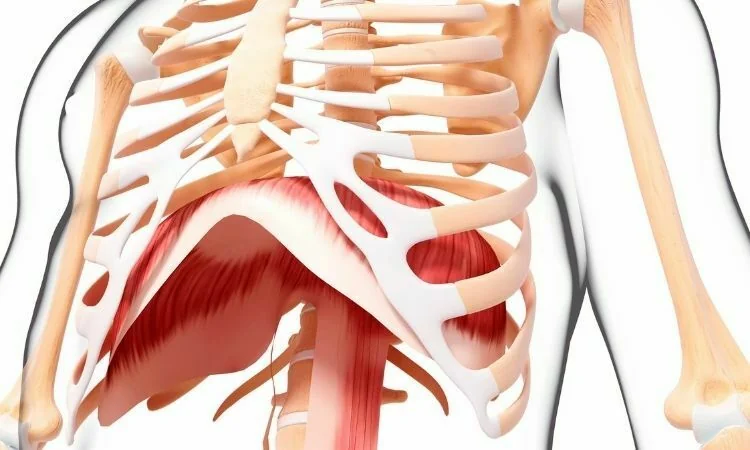
The diaphragm is a major breathing muscle at the base of the chest. Its movement helps the lungs fill with air and empty again. It also separates the chest from the stomach and other abdominal organs; the oesophagus and major blood vessels pass through openings in it. Weakness, structural abnormalities or injury can affect breathing and, in some conditions, digestion. This article explains the causes, symptoms and treatment of common diaphragm disorders.
Related videos and posts
The linked Instagram content is in Turkish.
1. What Is the Diaphragm and What Does It Do?
The diaphragm is a broad, thin sheet of muscle separating the chest cavity above from the abdominal cavity below. Its main roles include:
- Breathing: When it contracts, it moves down and increases chest volume, drawing air into the lungs. As it relaxes, it rises and air flows out.
- Its relationship to digestion: It separates the abdominal organs from the chest. The oesophagus passes through it, and the diaphragm contributes to the barrier against reflux.
2. Diaphragm Disorders and Their Causes
Several health conditions can affect the diaphragm.
1. Diaphragm Paralysis
A paralysed diaphragm cannot contract normally, which can make breathing difficult. Paralysis usually affects one side, but both sides may be affected.
Causes:
- Nerve injury: Damage to a phrenic nerve, which carries signals to the diaphragm, may cause paralysis.
- Trauma or surgery: An injury or operation in the chest can damage these nerves.
- Neurological conditions: Examples include amyotrophic lateral sclerosis (ALS) and Guillain–Barré syndrome.
- Congenital abnormalities: Some people have a phrenic nerve disorder from birth.
Symptoms:
- Difficulty breathing, particularly when lying down.
- Rapid breathing.
- Reduced or abnormal chest and abdominal movement during breathing.
- Fatigue and weakness.
2. Diaphragmatic Hernia
A hernia allows abdominal organs, often the stomach, to pass through an opening or weakened area of the diaphragm into the chest.
Causes:
- Congenital: Some hernias are present at birth and identified in newborn babies.
- Trauma or injury: Severe injury or an operation may damage the diaphragm.
- Age-related changes: Tissue weakening can contribute to certain hernias, particularly a hiatus hernia around the oesophageal opening.
Symptoms:
- Chest pain.
- Abdominal bloating or fullness.
- Difficulty swallowing.
- Reflux, when acidic stomach contents flow back into the oesophagus.
- Breathing difficulty.
3. Diaphragm Spasms
Involuntary contractions of the diaphragm are commonly associated with hiccups. Some people experience more persistent or severe spasms.
Possible triggers:
- Stress or anxiety: Emotional states can influence breathing patterns and hiccups.
- Overeating or drinking: A distended stomach, particularly after carbonated drinks or a large meal, can trigger hiccups.
- Alcohol or smoking: These may also contribute.
Symptoms:
- Hiccups.
- Involuntary contractions in the chest or upper abdomen.
- Usually brief interruptions to normal breathing.
4. Tumours Involving the Diaphragm
Primary diaphragm cancers are rare. Cancers arising elsewhere, such as in the lung, stomach or breast, can involve the diaphragm through direct extension or spread.
Cause:
- Cancer spread: A tumour elsewhere can extend into or spread to diaphragmatic tissue.
Symptoms:
- Chest or abdominal pain.
- Breathlessness.
- Loss of appetite.
- Weakness and fatigue.
3. Diagnostic Tests
Assessment combines a clinical examination with tests selected for the suspected condition:
- X-ray and CT: Can help identify hernias, abnormal elevation or tumours.
- Phrenic nerve tests: May determine whether diaphragm weakness is related to nerve damage.
- Endoscopy: Useful when investigating associated reflux or a hiatus hernia.
- Electromyography (EMG): Measures muscle electrical activity in selected patients with suspected weakness or paralysis.
4. Treatment Options
Treatment depends on the type and severity of the disorder.
1. Diaphragm Paralysis
- Physical and respiratory therapy: May improve breathing techniques and function.
- Surgery: Selected patients may benefit from procedures such as plication, which stabilises an abnormally elevated diaphragm.
- Breathing support: Non-invasive ventilation or other respiratory support may be needed when weakness significantly affects breathing.
2. Diaphragmatic Hernia
- Surgery: Significant hernias may need repair, returning the abdominal organs to their proper position and closing the defect.
- Medical treatment: Symptoms of some small hiatus hernias may be managed with dietary changes, lifestyle measures and medicines. This does not apply to all diaphragmatic hernias, particularly those at risk of trapping abdominal organs.
3. Diaphragm Spasms
- Medicines: Persistent troublesome hiccups may be treated with medicines selected after medical assessment.
- Lifestyle measures: Managing stress, adjusting eating habits and maintaining appropriate activity may help reduce triggers.
4. Cancer Involving the Diaphragm
- Chemotherapy and radiotherapy: May be used according to the type and extent of cancer.
- Surgery: Removal may be considered in selected cases as part of an individual cancer treatment plan.
Related conditions and procedures
Further reading on this topic
The following articles cover diagnosis, treatment planning and recovery in more detail.
Sources and further reading
These resources provide general background on this topic; they do not replace an individual medical assessment.