
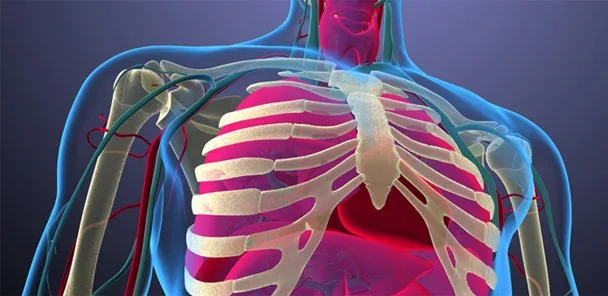
Thoracic surgery can be lifesaving, but the experience may be physically and emotionally challenging. Stress, anxiety and uncertainty can affect how patients cope with preparation and recovery. Psychological preparation can make the process more manageable. This article explains thoracic surgery and focuses on five practical steps for emotional readiness. Prof. Dr. Kemal Karapınar's patient-centred approach recognises the importance of helping people understand and prepare for their operation.
For the broader clinical context, see Minimally Invasive Chest Surgery (VATS).
Thoracic surgery treats conditions affecting structures such as the lungs, oesophagus and chest wall. Heart surgery is usually provided by a separate cardiac surgical specialty. Operations may be needed for cancer, infection or injury. The period before surgery can be especially stressful. Good preparation may support coping, pain management and participation in recovery, although it cannot guarantee fewer complications. This guide also answers common questions.
What is thoracic surgery, and why prepare psychologically?
Thoracic surgery involves operations on structures within the chest. Approaches range from minimally invasive video-assisted thoracoscopic surgery (VATS) to open surgery. Lung cancer and pneumothorax are examples of conditions treated by thoracic surgeons; coronary artery disease is generally managed by cardiology and cardiac surgery. Most major thoracic operations take place under general anaesthesia, and their duration varies with complexity.
Psychological preparation is part of overall care. Anxiety, poor sleep and low mood can make it harder to cope with symptoms and rehabilitation. Understanding the process and discussing concerns can support pain management and recovery. Knowing what to expect often reduces fear. Information and practical coping strategies help address uncertainty and strengthen a sense of control.
Surgery affects emotional as well as physical wellbeing. High preoperative anxiety may be associated with a more difficult recovery, but there is no single complication percentage that applies to every patient. These steps help people participate actively in their care. Prof. Dr. Kemal Karapınar adapts explanations and support to individual needs.
Step 1: Learn about the procedure
The first step is to understand what is planned. Uncertainty can increase anxiety. Learning about the operation can make it feel less unfamiliar. Surgery is performed to diagnose or treat a specific problem; for example, a lung nodule may require a biopsy or removal of a section of lung.
Use reliable information and discuss questions with the surgical team. A thoracic surgeon can explain the sequence in plain language: investigations such as CT or biopsy, planning, then the operation. This helps answer the question, “What will happen?”
Information also supports realistic expectations. Understanding the likely recovery period can make delays or temporary limitations easier to manage. Written leaflets or videos may be useful. Discussing what pain, tiredness or breathing changes to expect can be reassuring. Prof. Dr. Kemal Karapınar aims to explain medical terms clearly—for example, the pleura is the membrane around the lung and inside the chest wall.
You can review your health records with the team and write down questions before appointments. Reliable information provides a foundation for the other preparation steps.
Step 2: Acknowledge and manage feelings
Fear, anger and sadness before surgery are understandable. Acknowledging these emotions, rather than feeling obliged to suppress them, can help you cope. Anxiety may show up as a racing heart, poor sleep or persistent worry.
Keeping a journal or sharing concerns can reduce the emotional burden. Mindfulness—paying attention to the present moment—may also help. For example, spending five minutes a day noting your feelings can improve awareness of what is worrying you.
Significant anxiety deserves attention, especially if it interferes with sleep, daily life or medical care. An empathetic discussion helps the team understand what support is needed. Exploring a question such as “What exactly am I afraid of?” may identify concerns that can be addressed with information or professional help. Emotional support can also help when low mood develops after surgery.
This step encourages resilience and treats emotional preparation as a normal part of surgical care.
Step 3: Build a support network
Facing an operation alone can increase stress. Family, friends and support groups may all have useful roles. Social support should be included in planning for thoracic surgery.
A support network can provide both emotional and practical help, such as transport after discharge or meals during recovery. Research supports the importance of social support, but a fixed percentage improvement in recovery cannot be promised. Carefully chosen patient organisations and online groups may help you feel less isolated.
Prof. Dr. Kemal Karapınar encourages patients to identify the support they need. Individual discussions can help families understand the recovery plan. A regular family conversation may be a useful way to divide practical tasks and share updates.
A clear support plan can reduce isolation and provide reassurance.
Step 4: Practise relaxation techniques
Breathing exercises, meditation and suitable gentle yoga may help reduce anxiety. Practising beforehand makes these techniques easier to use on the day of surgery.
One option is slow, comfortable breathing, for example breathing in for around four seconds and breathing out gently for a similar time. Only add a brief pause if it feels comfortable; do not force breath-holding, particularly if breathless. Around ten minutes of daily practice may support relaxation and sleep.
These techniques can encourage the body's relaxation response, sometimes described as parasympathetic activity. The team can advise which exercises are suitable for your breathing and physical condition.
Relaxation can become a practical part of mental preparation.
Step 5: Use realistic positive imagery
Imagining achievable recovery goals can support motivation. For example, you might picture taking a short walk after surgery with the support recommended by the team.
Some people find reassuring phrases helpful, such as “I can take this one step at a time and ask for help.” This can be combined with meditation or quiet reflection. Positive imagery may support coping, but it should not become pressure to feel cheerful or a promise that recovery will follow a particular course.
The aim is to encourage hope while keeping expectations realistic. Discussions with Prof. Dr. Kemal Karapınar can help turn general hopes into practical recovery goals.
This step complements the other forms of preparation rather than replacing medical or psychological care.
Psychological support throughout the surgical process
These approaches may also be useful after surgery, supporting coping with pain, rehabilitation and the return home. Prof. Dr. Kemal Karapınar recognises the value of a whole-person approach.
General measures include regular sleep, adequate nutrition and appropriate light activity. Persistent distress should be discussed with the team; professional support is available when needed.
Frequently asked questions
What is thoracic surgery, and who may need it? It includes operations on the lungs and other non-cardiac chest structures for conditions such as cancer, infection and injury. Investigations determine whether surgery is appropriate.
Why is psychological preparation important? It can reduce uncertainty and anxiety and help patients take part in recovery. It does not remove all surgical risks.
How can I cope with fear of surgery? Understanding the procedure, acknowledging feelings, seeking support and practising relaxation can help. Ask for professional assistance if fear is overwhelming.
What are signs of preoperative anxiety? Poor sleep, a racing heart and persistent worry are common examples.
What supports emotional recovery afterwards? Practical support, realistic goals and time to adjust can help. Professional care may be appropriate for persistent anxiety or depression.
Can psychological preparation affect the experience of surgery? It can support coping, pain management and engagement with rehabilitation. Surgical outcomes also depend on the operation and medical factors, not attitude alone.
How can I involve my family? Explain your needs openly and agree on practical tasks and ways to communicate.
What relaxation techniques can I try? Comfortable breathing exercises and meditation are common options.
How do I practise positive imagery? Imagine realistic, achievable recovery steps rather than a guaranteed result.
Which surgical approaches are used? Minimally invasive and open operations are both used, according to the condition.
Conclusion
Learning about the process, managing emotions, building support, practising relaxation and using realistic positive imagery can make preparation for thoracic surgery more manageable. These steps complement physical preparation. Prof. Dr. Kemal Karapınar's patient-centred approach includes clear explanations and support tailored to each person's concerns.
Sources and further reading
These resources provide general background on this topic; they do not replace an individual medical assessment.