
Related videos and posts
The linked Instagram content is in Turkish.
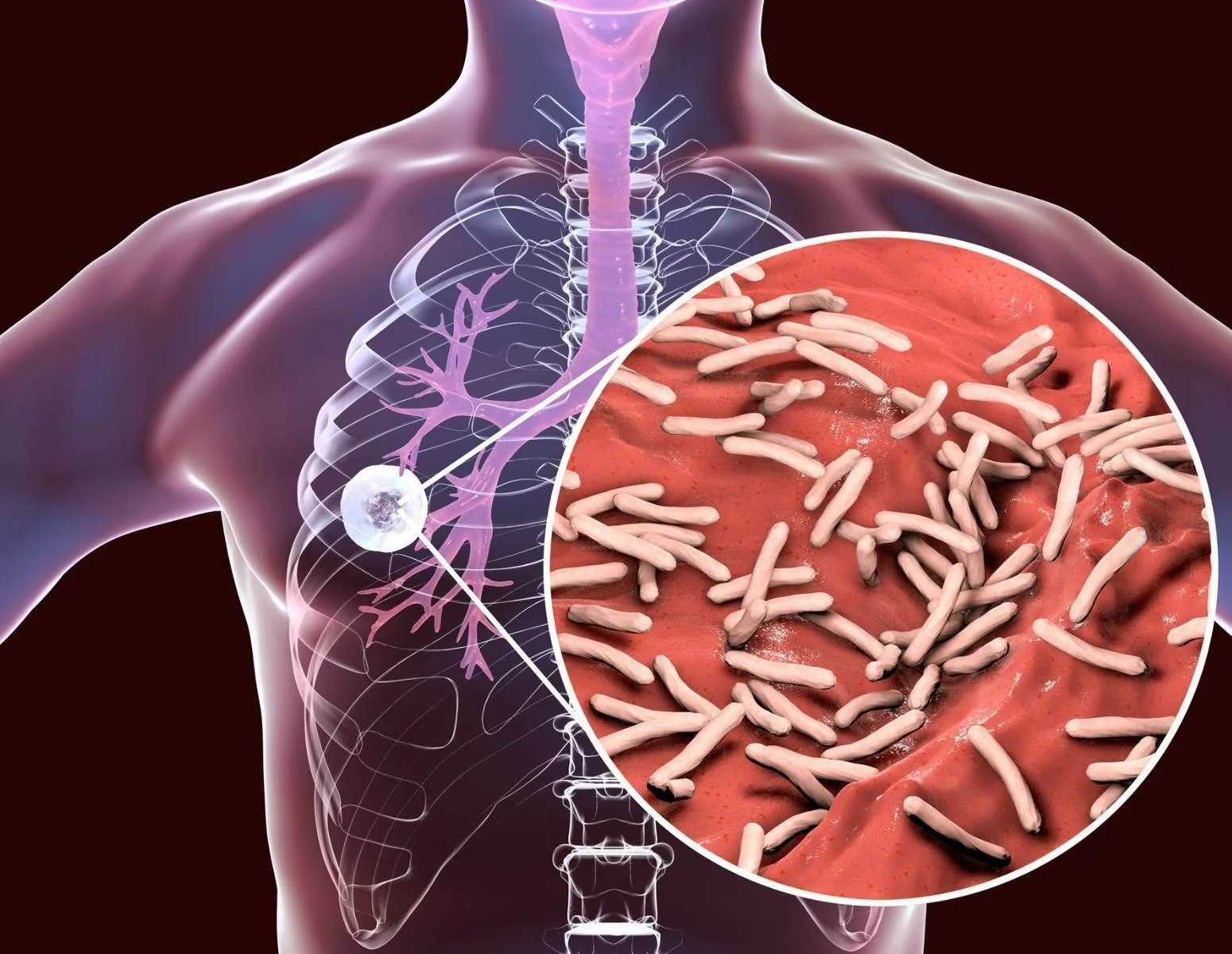
Tuberculosis (TB) is an infectious disease that has affected people for centuries. It is caused by Mycobacterium tuberculosis, often affects the lungs and has a close relationship with the immune system. Immune responses may contain infection, while impaired immunity can increase the chance of active disease. Treatment is mainly with a combination of medicines, but surgery may be considered in carefully selected circumstances, particularly some cases of drug-resistant TB or localised complications. Removing affected tissue can contribute to disease control alongside medication. Surgery is not, however, a proven immune-boosting treatment. This article discusses eight aspects of the relationship between TB surgery and immunity, separating established clinical aims from uncertain biological effects. Specialists such as Prof. Dr. Kemal Karapınar use an individual assessment to decide whether surgery has a useful role.
What Is Tuberculosis and How Does It Relate to Immunity?
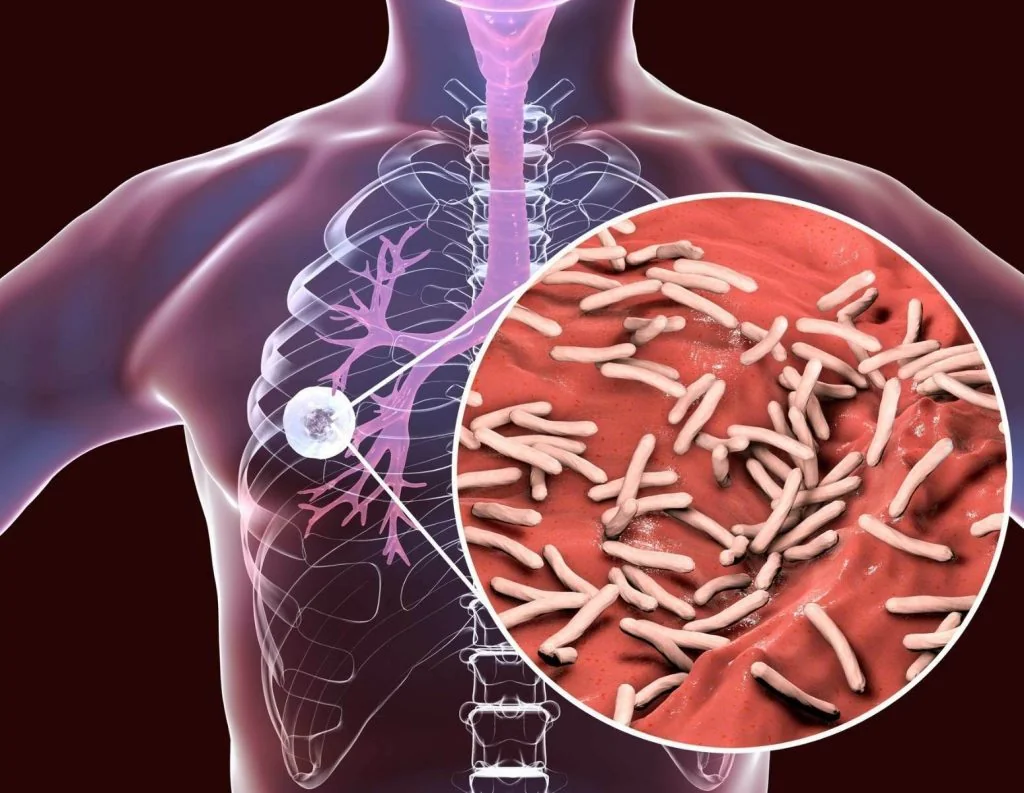
TB is a bacterial infection that spreads through the air. When bacteria reach the lungs, immune cells, including macrophages and lymphocytes, respond. Groups of immune cells may form structures called granulomas, which can help contain the infection but do not necessarily eliminate every bacterium. Conditions such as HIV infection, diabetes, malnutrition and some medicines can increase the risk of active disease. Symptoms may include cough, fever and night sweats.
For the broader clinical context, see Lung Infections That May Need Surgery.
Innate immunity provides an early response, while adaptive immunity, particularly T-cell responses, is important in controlling TB. The organism can survive within immune cells and cause persistent infection. Surgery can remove a local area of severely affected tissue, but it does not reliably reset the immune system or create protection against future infection. Decisions about surgery therefore focus on disease control, complications and surgical fitness, rather than a promise to strengthen immunity.
What Is TB Surgery and When Is It Used?
TB surgery may involve removing a localised part of the lung, for example through wedge resection or lobectomy, in selected people with multidrug-resistant or rifampicin-resistant TB. Other procedures may address specific complications. A pneumonectomy, removing a whole lung, is a substantially larger operation and is not interchangeable with the conditional recommendation for partial lung resection. Surgery supplements an appropriate anti-TB drug regimen; it does not replace it.
The team considers the location and extent of disease, drug resistance, lung function, general health and the likelihood of benefit. Impaired immunity can increase risk and is not, by itself, a reason to operate early. Preparation may include nutritional support, smoking cessation, treatment of associated conditions and careful infection-control planning. An experienced multidisciplinary team is essential.
Eight Aspects of TB Surgery and the Immune System
The relationship is complex. Reducing local disease burden is a clinical aim, but many claims about particular immune markers remain uncertain. The following eight points explain the distinction.
- Reducing the local bacterial burden: Removing a localised, severely affected area may reduce the amount of infected tissue that is difficult to treat. This can support an effective medicine regimen in selected patients. It does not establish that surgery increases general immunity, restores CD4 T-cell counts or provides a particular benefit to every patient with HIV. Immune status is assessed individually.
- Changes in inflammatory signalling: Cytokines are molecules that immune cells use to communicate. TB and the stress of surgery can both alter inflammatory signals, including IL-6, TNF and interferon pathways. A predictable beneficial fall or rise in a specific cytokine after resection has not been established as a routine clinical benefit or treatment target. Changes observed in research cannot be assumed to mean faster recovery for every patient.
- T-cell responses: T cells are important in controlling TB. Their behaviour can change with infection, medicines, associated illness and surgical stress. Surgery should not be presented as a proven way to increase T-cell proliferation, normalise the CD4/CD8 ratio or prevent reinfection. Treatment success is assessed using the clinical course and microbiological tests, rather than a promised improvement in these markers.
- Balancing inflammation during recovery: Inflammation is part of both infection and wound repair. Anti-inflammatory signals, including IL-10, have complex roles and are not simply beneficial whenever they increase. There is no routine goal of raising IL-10 through TB surgery. The clinical focus is on healing, adequate treatment of infection and identifying complications.
- Epigenetic effects remain a research question: Epigenetics concerns changes in how genes are regulated without altering the DNA sequence. TB can affect immune-cell biology, but surgery has not been established to reverse immune-related DNA methylation changes or erase an epigenetic “scar” in routine patient care. Such claims need specific supporting evidence and should not guide a surgical decision.
- Immune cells in wound healing: Macrophages, neutrophils and other cells help respond to tissue injury and coordinate repair after an operation. Surgical stress can also temporarily alter immune function. This is a normal but complex recovery process, not evidence of a general immune boost. Nutrition, rehabilitation and management of associated conditions support recovery.
- Combining surgery with established drug treatment: The useful clinical combination is appropriately selected surgery alongside an effective, guideline-based anti-TB regimen. Experimental approaches such as inhibitors of metabolic pathways are not routine postoperative treatment and should not be described as proven protection against immune suppression. Medicines and their duration remain a specialist decision.
- Long-term immunity is not guaranteed: Surgery cannot be assumed to clear all latent infection, create permanent immune memory or prevent a new TB infection. Reinfection and relapse remain possible after treatment. Long-term care includes completing medicines, monitoring the treatment response and reducing relevant exposure and health risks.
These points reflect the limits as well as the potential role of surgery. Each patient needs an individual assessment.
Preparing for and Carrying Out TB Surgery
Planning usually includes imaging, particularly CT, to establish the distribution of disease. Microbiological tests, drug-susceptibility results, lung-function tests and assessment of other health conditions help guide the decision. Routine cytokine testing is not a standard requirement for deciding on TB surgery. VATS may be suitable in some cases, while adhesions or complex disease may require an open operation. Anti-TB medicines continue as directed by the specialist team. Safety, infection control and the likely benefit of the operation take priority over any single technique.
Care and Recovery After Surgery
After surgery, the team monitors breathing, wound healing, the clinical response and relevant laboratory or microbiological results. Nutrition, gradual activity and follow-up support recovery. Complications, including infection or pneumonia, remain possible and should not be dismissed as universally rare. New or worsening symptoms need prompt assessment.
Potential Benefits and Risks
Potential benefits include better control of selected localised disease or complications and improved symptoms or quality of life. Risks include bleeding, air leak, infection, breathing problems and the stress of an operation. Immune effects vary, and a general improvement in immunity cannot be promised. Specialist selection, preparation and follow-up help balance likely benefit against harm.
Frequently Asked Questions
Here are common questions about TB surgery and immunity:
- What is TB surgery and when is it needed? It can remove selected areas of diseased lung or treat complications. Some patients with localised drug-resistant TB may benefit alongside medicines. Low immunity alone does not establish a need for early surgery.
- How does it affect the immune system? It may reduce local disease burden, while surgery itself also causes an inflammatory stress response. A reliable improvement in general immunity or T-cell function is not established.
- Can immunity decrease after surgery? Surgical stress can temporarily alter immune responses. The significance depends on the patient, operation and associated conditions.
- What is the success rate? Outcomes depend on patient selection, disease extent, drug resistance, the medicines available and surgical risks. A single guaranteed high success rate is not appropriate.
- Is surgery riskier with impaired immunity? It can be. The team assesses associated conditions and optimises care before deciding whether the expected benefits justify the risks.
- How long does recovery take? It varies from weeks to months according to the operation and general health; the anti-TB treatment course may continue much longer.
- Does surgery prevent reinfection? No. It does not guarantee protective immune memory or immunity from a new infection.
- What are cytokines and why do they matter? They are immune signalling molecules. Their behaviour is complex, and individual cytokine changes are not routine proof that surgery has restored immune balance.
- Are epigenetic effects permanent? The effects of TB and treatment on immune-cell regulation remain an area of research. Reversal by surgery is not an established clinical outcome.
- How are surgery and medicines combined? Surgery, when appropriate, is an adjunct to an effective anti-TB regimen chosen by the specialist team; it is not a substitute for completing medication.
Conclusion
TB surgery can contribute to treatment in selected patients, particularly when localised disease is difficult to manage with medicines alone. Its main aim is disease control or treatment of complications, not a proven strengthening or resetting of the immune system. Understanding the eight points above helps distinguish clinical benefits from research uncertainties. Prof. Dr. Kemal Karapınar's individual approach is part of multidisciplinary assessment and follow-up. Completing prescribed treatment and maintaining appropriate follow-up remain central to recovery.
Sources and further reading
These resources provide general background on this topic; they do not replace an individual medical assessment.