
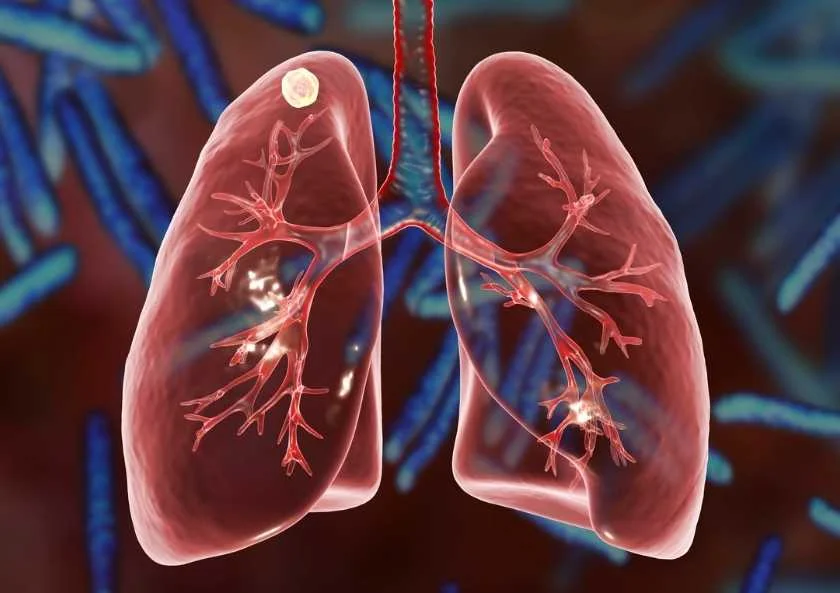
Tuberculosis (TB) is an infectious disease affecting millions of people worldwide. Surgery may be considered in selected drug-resistant cases or when complications develop, to remove severely damaged areas or help control localised disease. Operations can include lung resection, lobectomy or, less commonly, pneumonectomy. They support appropriate drug treatment rather than replacing it.
Related videos and posts
The linked Instagram content is in Turkish.
An experienced thoracic surgeon such as Prof. Dr. Kemal Karapınar assesses each patient's circumstances with the relevant team to identify the most suitable strategy. This article offers 11 practical suggestions for people preparing for TB surgery or recovering afterwards, from preoperative preparation to longer-term recovery. It is general information: individual advice from your own team takes priority.
For the broader clinical context, see Lung Infections That May Need Surgery.
1. Take Your Medicines as Prescribed: Adherence Is Essential
TB surgery is usually part of a course of treatment that includes medicines. The operation may reduce localised disease, while the appropriate drugs remain the main treatment for the infection. For drug-sensitive TB, medicines may include rifampicin, isoniazid, pyrazinamide and ethambutol. Drug-resistant TB requires a different regimen chosen by specialists. Treatment commonly lasts months, with the exact plan determined individually.
Why is adherence important? Missed or unsuitable treatment can make disease harder to control and contribute to resistance. Reminders and family support can help. Take medicines according to the prescribed schedule and use a calendar or application to keep track. Record side effects such as nausea or fatigue and tell the team. Reporting problems helps treatment continue safely; do not stop the medicines on your own.
2. Prioritise Nutrition: Fuel for Recovery
The body needs adequate energy and nutrients to recover after surgery. For TB surgery patients, good nutrition supports healing and general health. Protein-rich foods include poultry, fish, eggs, dairy products and pulses. Vitamins, including C and D, play roles in normal body and immune function; supplements are not a substitute for TB treatment and should be used when advised.
Aim for balanced meals, including vegetables and fruit. Poor nutrition can increase surgical risks, so seek advice if you are losing weight or struggling to eat. Fish such as salmon can be part of a varied diet. If appetite is poor, smaller, more frequent meals may help. Nutrition is supportive care, not a separate cure for TB.
3. Allow Time to Rest: Supporting Recovery
Fatigue is common after an operation. Lung surgery can temporarily affect breathing and energy, so adequate rest is important. Aim for a regular sleep pattern, often around seven to nine hours at night, with short daytime rests when needed.
Rest can support wellbeing and reduce stress, but it should be balanced with the movement recommended by your team. Create a comfortable sleeping environment and limit caffeine late in the day. An individual balance of rest and activity is more useful than prolonged bed rest.
4. Follow Infection-Control Advice: Understand How TB Spreads
Infection prevention is important after surgery. Wash your hands and follow your team's advice about masks, close contact, visitors and crowded settings.
TB is transmitted mainly through the air. Ventilation, appropriate respiratory precautions and the TB team's assessment of infectiousness are central to preventing spread; handwashing or surface cleaning alone is not sufficient. Keep rooms well ventilated where advised. These precautions support treatment but do not, by themselves, guarantee lasting disease control.
5. Begin Gentle Activity: Build Capacity Gradually
Prolonged inactivity after an operation can weaken muscles. With the team's approval, gentle walking and prescribed breathing exercises can help recovery. Other activities, such as yoga, should wait until the clinician confirms they are suitable.
Begin with short walks and gradually increase them according to advice and symptoms. Activity can support circulation, help clear sputum and improve confidence. Incorporating suitable movement into daily life can improve function and quality of life.
6. Avoid Smoking and Alcohol: Reduce Harmful Exposures
Smoking after surgery can delay wound healing and increase respiratory risks. Alcohol can interfere with treatment and may increase the risk of liver problems with some TB medicines.
Ask about stopping-smoking support, support groups or appropriate nicotine replacement. The team can help you find a practical plan. Avoiding tobacco and following advice about alcohol remain important throughout TB treatment and recovery.
7. Attend Follow-up Appointments: Monitoring Matters
Regular follow-up is essential after surgery. Depending on the situation, monitoring may include chest imaging, blood tests and sputum samples.
Follow-up can identify problems early and gives you an opportunity to discuss concerns. Record appointment dates and note any changes in symptoms so that you can discuss them with the team.
8. Monitor Side Effects and Symptoms: Report Changes Early
Medicines and surgery can cause side effects or symptoms such as pain or cough. Keep track of them, particularly if they become more severe.
Early assessment can help prevent a minor problem from becoming more serious. Report a persistent or worsening cough rather than relying on a humidifier or other home measure. If a humidifier is used, it must be kept clean and must not delay medical assessment.
9. Seek Psychological Support: Emotional Health Matters
TB and surgery can place an emotional burden on patients. Anxiety, low mood or depression may occur.
Counselling, relaxation techniques or meditation may help some people. Tell the treating team if you are finding it difficult to cope. Emotional wellbeing is part of recovery, not an optional extra.
10. Build a Family and Social Support Network: You Are Not Alone
Support from family and friends can improve motivation. Share practical tasks and explain how you are feeling.
A support network can reduce stress and make treatment routines easier to follow. Family education, with your consent and attention to infection-control advice, can help others support you effectively.
11. Maintain a Suitable Home Environment
Keep the home clean and avoid dusty or irritating environments.
A comfortable, well-ventilated environment can support recovery. Follow the TB team's advice about airborne precautions and infectiousness. Cleanliness alone does not prevent all infection or guarantee treatment success.
Frequently Asked Questions
The following questions address common concerns about TB surgery.
What is TB surgery, and when is it used? It removes affected lung tissue in selected patients, often for drug-resistant disease or complications such as a persistent cavity or significant bleeding. The decision is made with a multidisciplinary team; a cavity alone does not automatically require an operation.
What does treatment involve? Surgery and the appropriate TB medicines are combined when surgery is indicated. Medicines continue after the operation. The drugs and duration depend on susceptibility results, the regimen used and the clinical response; one fixed duration does not apply to everyone.
What are the potential benefits? In suitable patients, surgery may improve local disease control, reduce symptoms and contribute to overall treatment success. Expected benefit and the chance of success are assessed individually; a particular result cannot be guaranteed.
What is recovery like? Rest is balanced with early walking and breathing exercises as approved by the team. Recovery may take weeks or months; prolonged immobility is not recommended.
Are there risks? Possible risks include bleeding, infection and breathing problems. Specialist assessment and appropriate care aim to reduce them, but they cannot be eliminated.
What should I eat? A balanced diet with adequate protein, energy and micronutrients supports recovery. Ask for dietary advice if your intake or weight is falling.
Can I exercise afterwards? Yes, gentle activity can be beneficial when approved by the treating team and increased gradually.
Can TB surgery be repeated? Further surgery is occasionally considered if disease or a complication recurs, after reassessment of the risks and alternatives.
How does surgery differ from drug treatment? Medicines are the main treatment for TB. Surgery is an additional option for selected patients.
Is smoking harmful after TB surgery? Yes. It can delay healing and increase respiratory risks.
Conclusion
These 11 suggestions offer a practical guide to preparation and recovery. Adherence to medicines, nutrition, an appropriate balance of rest and activity, and psychological support can all help. Treatment planning and recovery require cooperation between the patient and specialist team, with advice tailored to the individual.
Prof. Dr. Kemal Karapınar offers an individual approach to thoracic surgical assessment. In complex cases, the available treatments, expected benefits and risks are considered according to each patient's circumstances.
Sources and further reading
These resources provide general background on this topic; they do not replace an individual medical assessment.