
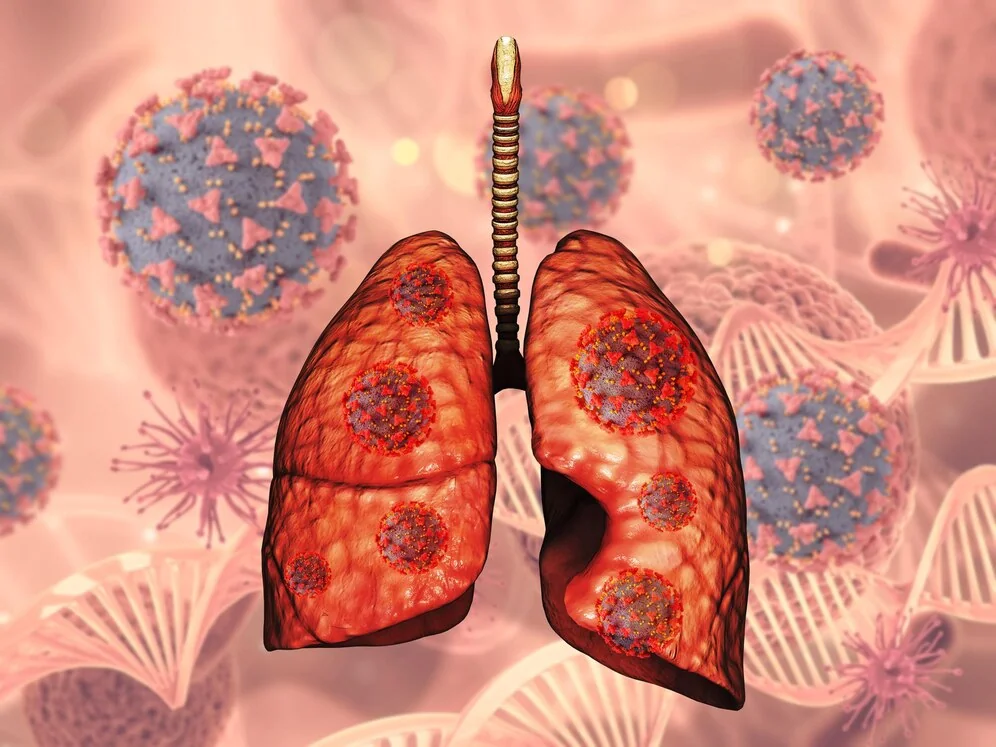
Tuberculosis, or TB, is an infection caused by Mycobacterium tuberculosis. It usually affects the lungs but can involve other organs. Medicines are the main treatment. Surgery may be considered for selected people with drug-resistant infection, permanently damaged lung or serious complications, with the aim of controlling disease and improving health.
Related videos and posts
The linked Instagram content is in Turkish.
Preparation is an important part of surgical care. Physical and psychological assessment helps identify and reduce risks. Prof. Dr. Kemal Karapınar considers each patient's individual needs and explains the process in clear language. This guide describes what TB surgery involves, when it may be needed and nine preparation steps.
For the broader clinical context, see Lung Infections That May Need Surgery.
Surgery is generally an addition to an effective TB medicine regimen, not a replacement for it. Treatment and timing require specialist guidance. A patient-centred approach helps explain the choices and support the patient throughout care.
What Is Tuberculosis Surgery?
TB surgery treats selected areas of disease or damage in the lungs or surrounding tissues. Procedures include lobectomy, removal of a lung lobe; segmentectomy, removal of a smaller anatomical section; pneumonectomy, removal of a whole lung; and, in selected circumstances, thoracoplasty. Removing localised disease may support infection control, but medicines remain essential.
Surgery had a much broader role before effective antibiotics. Today it is used selectively, including in some drug-resistant cases or for complications. VATS, or video-assisted thoracoscopic surgery, can be used when the anatomy and disease allow; some patients need open surgery.
Prof. Dr. Kemal Karapınar assesses the distribution of disease and the patient's anatomy to choose an approach. The goal is to address the problem while preserving as much useful lung function as possible.
When Is Surgery Considered?
Surgery is not required for every person with TB. Possible reasons include localised drug-resistant disease despite appropriate treatment, a persistent cavity, significant haemoptysis—coughing up blood—or empyema, an infected collection around the lung. Some complications of TB outside the lungs may also need surgery.
CT scans, chest X-rays, laboratory findings and lung-function tests help the team assess disease extent, remaining lung capacity and general fitness. A careful review of the history helps determine whether the expected benefit justifies an operation and avoids unnecessary intervention.
Persistent positive cultures despite an appropriate regimen or life-threatening bleeding may prompt surgical assessment. The decision depends on more than symptom severity alone and is made with the TB and surgical teams.
Nine Preparation Steps
Preparation aims to control infection, improve strength and support recovery. These steps are adapted to the individual rather than followed as an identical schedule for everyone.
1. Detailed Assessment and Confirmation of the Diagnosis
Assessment includes examination, blood count, liver and kidney function, imaging and confirmation of the diagnosis and drug-resistance pattern. Spirometry and other lung tests help estimate operative risk. The team also discusses concerns and expectations.
2. Planning Anti-Tuberculosis Medicines
An effective, susceptibility-guided medicine regimen is planned before and after surgery. Treatment may already have continued for several months, but there is no fixed preoperative duration suitable for everyone, and emergencies may need earlier intervention. Drug-sensitive regimens may include isoniazid, rifampicin, pyrazinamide and ethambutol; resistant disease requires a different specialist regimen. Monitoring adherence, side effects and microbiological response is essential.
3. Stopping Smoking and Other Harmful Exposures
Stop smoking as early as possible. When time allows, stopping at least four to six weeks before surgery can improve recovery. Nicotine replacement or other support may help. Alcohol use and other substances should be discussed so that the team can manage risks safely. Do not delay emergency care simply to reach a smoking-free interval.
4. Improving Nutrition and Physical Condition
TB can cause weight loss and weakness. Adequate protein, vitamins and minerals support recovery. Meat or suitable alternatives, dairy or other protein sources, fruit and vegetables can form a balanced plan. Malnutrition may require dietitian input or nutritional supplements tailored to the patient.
5. Assessing Heart and Lung Function
Lung-function testing, ECG and, when indicated, echocardiography or exercise testing assess fitness and the likely function remaining after surgery. The results help balance the expected benefit against risk.
6. Infection-Control and Isolation Measures
Infectious pulmonary TB requires appropriate airborne precautions, which may include masks, ventilation and isolation. Contacts are assessed through the TB service. Not everyone with previous or treated TB remains infectious; precautions are based on the clinical situation and local infection-control guidance.
7. Psychological and Emotional Preparation
Understanding the procedure can reduce anxiety. Questions, emotional concerns and practical worries should be discussed. Psychological support or a support group may be helpful when available.
8. Practical Preparation Before the Operation
Follow the anaesthetic team's specific fasting instructions rather than assuming everyone must stop all food and drink at the same time. Medicines, hospital admission and arrangements for recovery at home are reviewed in advance. Clear written instructions help avoid confusion.
9. Coordinating the Multidisciplinary Team
The thoracic surgeon, anaesthetist, respiratory/TB team and infectious-disease specialists coordinate treatment. Nursing, physiotherapy and nutritional support may also be involved. Prof. Dr. Kemal Karapınar works with the team to prepare an individual plan.
Together, these nine steps support safer, better-informed surgical care.
What Happens During Surgery?
The operation is performed under general anaesthesia. VATS or an open approach is selected according to the disease and adhesions. The planned diseased tissue is removed or the complication treated, with attention to preserving function and patient comfort.
Benefits and Risks
Potential benefits include removal of a persistent local focus, control of bleeding or infection and symptom relief. Risks include bleeding, infection, air leakage and anaesthetic or breathing complications. Careful selection and experienced care help reduce risk but cannot guarantee success.
Recovery
Recovery may involve continued TB medicines, breathing exercises, mobilisation and physiotherapy. Follow-up supports healing, monitors the infection and addresses any treatment side effects. The pace differs between patients.
Frequently Asked Questions
What is TB surgery, and how is it performed? It treats selected diseased or damaged lung tissue or related complications. It may use minimally invasive or open surgery, depending on the findings.
How long must I take medicines before surgery? Timing is individual. The team aims to establish an effective regimen and improve infection control; a universal three-to-six-month rule is inappropriate, particularly in emergencies.
Should I stop smoking before surgery? Yes. Stop as early as possible and ask for support, because smoking increases breathing and healing risks.
Is TB surgery risky? All surgery has risks. Your condition, the planned operation and remaining lung function determine the individual risk.
How long does recovery take? Recovery can take several weeks to months; fuller recovery may take two to six months or longer after major surgery, depending on the individual.
When is surgery needed? It may be considered for selected drug-resistant disease or complications such as significant bleeding, cavities or empyema.
Does nutrition matter? Yes. Adequate nutrition supports strength, tissue healing and tolerance of treatment.
How can I prepare emotionally? Ask the team to explain the operation and recovery, and seek additional support if anxiety remains difficult to manage.
Why is infection control important? Appropriate precautions reduce transmission while a person is infectious.
What does follow-up involve? Regular reviews, imaging, microbiological monitoring and medicine checks are arranged according to your treatment plan.
Conclusion
TB surgery can be valuable and sometimes life-saving in selected circumstances. These nine preparation steps support informed care and reduce avoidable risks. Prof. Dr. Kemal Karapınar's patient-centred approach combines surgical assessment with coordinated TB treatment and follow-up.
Sources and further reading
These resources provide general background on this topic; they do not replace an individual medical assessment.