
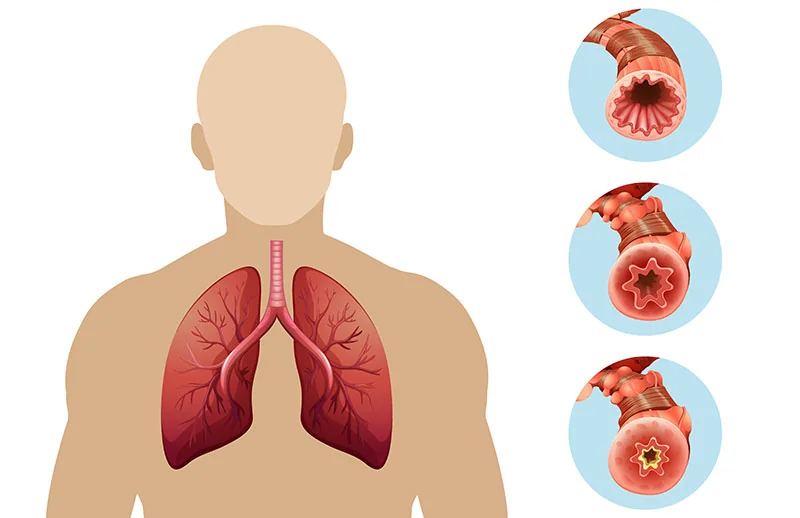
The pleura is the thin membrane covering the lungs and lining the chest wall. A small amount of fluid between its layers lets the lungs move smoothly during breathing. Pleural disease can disrupt this system. Infection is an important cause of inflammation and fluid collection. This article explains eight related conditions to help people understand symptoms and treatment options.
Related videos and posts
The linked Instagram content is in Turkish.
For the broader clinical context, see Pleural Disorders.
Pleural problems may also result from systemic illness, injury or cancer. Bacteria, viruses and, less commonly, fungi can cause inflammation or infected fluid around the lungs. Timely assessment and appropriate care help manage these conditions. Thoracic specialists such as Prof. Dr. Kemal Karapınar contribute to diagnosis and treatment through an individual, patient-centred plan.
Each section covers the connection, treatment and possible benefits. The information is general and cannot replace an individual clinical assessment.
Connection 1: Pneumonia and Parapneumonic Effusion
Pneumonia is an infection of lung tissue, caused by organisms such as Streptococcus pneumoniae or by viruses. Inflammation can affect the adjacent pleura and lead to fluid around the lung, called a parapneumonic effusion.
This occurs in a proportion of pneumonia cases, particularly among people admitted to hospital. The fluid may cause breathlessness and chest pain. Antibiotics treat bacterial infection. Thoracentesis, taking fluid through a needle under local anaesthesia, may help establish whether drainage is needed. A complicated infected collection often needs a chest drain rather than a single aspiration.
Prompt treatment can control infection and reduce complications. Recovery may begin within one to two weeks, but a complicated effusion can take longer. Image-guided drainage and other less invasive methods may avoid or reduce the need for open surgery when appropriate.
Connection 2: Tuberculosis and Pleural Effusion
Tuberculosis, caused by Mycobacterium tuberculosis, can involve the pleura and trigger inflammation and fluid accumulation.
Fever, cough, chest discomfort and weight loss may occur. Treatment uses a combination of TB medicines, chosen according to susceptibility and specialist guidance. Drug-sensitive pleural TB commonly requires a course lasting about six months; some circumstances need a different regimen or duration. A large symptomatic effusion may also need drainage.
Appropriate treatment can control infection and limit damage, but follow-up is important. Selected patients may need a pleural biopsy or thoracoscopy, including VATS, to establish the diagnosis or manage complications. Surgery is not required for every TB effusion.
Connection 3: Viral Infection and Pleurisy
Viruses such as influenza can cause inflammation associated with pleuritic pain—sharp pain that worsens with breathing or coughing. COVID-19 can also cause chest symptoms; shingles may produce chest-wall nerve pain that can resemble pleurisy rather than directly infecting the pleura in every case.
Fever, dry cough and painful breathing may occur. Treatment often focuses on pain relief and the underlying illness. Antiviral medicines, such as oseltamivir for influenza, are used when specifically indicated, not routinely for every viral pleurisy. Many uncomplicated cases improve without specific antiviral treatment.
Symptoms may settle over one to three weeks, although timing varies. Management considers severity, immune status and other illnesses. Persistent or severe pain requires assessment to exclude other causes.
Connection 4: Bacterial Infection and Empyema
Empyema means pus in the pleural space. It often complicates bacterial pneumonia, involving organisms that can include Staphylococcus aureus and others. It needs prompt treatment.
Fever, chest pain and difficulty breathing are common. Treatment usually combines antibiotics and drainage. If drainage is incomplete or a thick infected layer traps the lung, VATS or open surgical clearance may be necessary.
Early treatment helps control infection and preserve function. Treatment and recovery commonly take several weeks and may extend beyond two to four weeks. The approach is selected to achieve adequate clearance while limiting procedural risks.
Connection 5: Infection and Pleural Thickening
Prolonged pleural infection can leave scarring and thickening. Severe or unusual infections, including some fungal infections, may involve the pleura. This is different from pleural plaques, which are most often associated with previous asbestos exposure rather than routine infection.
Persistent cough, breathlessness or fatigue can occur. Treatment addresses the identified infection; antifungals are used only when a fungal cause is established or strongly suspected. Selected patients with significant restriction from a thick pleural rind may need surgery.
Recovery can take months, and established scarring may persist. A multidisciplinary assessment helps determine whether medicines, rehabilitation or an operation is most useful.
Connection 6: Pneumothorax and Infection
Pneumothorax is air in the pleural space. An infection that damages lung tissue, such as an abscess or necrotising pneumonia, can occasionally create an air leak into that space.
Sudden chest pain and breathlessness require urgent assessment. Treatment depends on severity and may include observation, a chest drain and treatment of the underlying infection. Oxygen is given when clinically indicated. Persistent or recurrent air leakage may require surgery.
Prompt care can be life-saving in a severe pneumothorax. Hospital treatment may last several days, but infection-related cases can need longer than three to seven days. Appropriate drainage and selected surgery aim to control the leak and protect lung function.
Connection 7: Mesothelioma, Inflammation and the Limits of the Infection Link
Mesothelioma is a cancer of the pleura strongly associated with asbestos exposure. Chronic infection is not an established usual cause, and inflammation should not be presented as proof of an infection-driven cancer risk.
Progressive breathlessness, chest pain and pleural fluid can occur. Treatment is planned by a specialist cancer team and may include systemic medicines, symptom-directed procedures and, in carefully selected settings, surgery. Surgery is not appropriate for every patient.
Diagnosis and coordinated care can help select suitable treatment and improve symptom management. Long-term follow-up is needed. Prof. Dr. Kemal Karapınar contributes thoracic surgical expertise where relevant to the individual plan.
Connection 8: Chylothorax and Uncommon Infectious Causes
Chylothorax is a collection of lymphatic fluid, called chyle, around the lung. It most often relates to injury of lymphatic channels, surgery or malignancy. Certain infections can occasionally obstruct or damage lymphatic pathways, but infection is not the usual explanation.
Treatment addresses the cause and may include a specialised diet, nutritional support and drainage. Persistent leakage may require lymphatic intervention or surgery.
Conservative treatment can be effective in selected cases. Resolution may take weeks to months, sometimes around one to two months, but varies with the cause and leak volume. Individual planning helps balance nutrition, drainage and further intervention.
Frequently Asked Questions
What is pleural disease? Conditions affecting the membranes around the lung, including inflammation, fluid accumulation, infection, thickening and tumours.
How does a pleural infection develop? It often follows infection in the lung or nearby tissues. Spread through the bloodstream or after a procedure is also possible. An empyema itself is not usually passed between people by ordinary contact; the underlying organism may have its own transmission route.
How is pleural effusion treated? Treatment depends on the cause. Options include medicines, drainage or surgery; antibiotics are needed for bacterial infection, not every effusion.
What symptoms can pleurisy cause? Sharp pain with breathing, cough and sometimes fever are common.
How is empyema treated? Antibiotics and drainage are central; some people need surgery.
Can TB cause pleural effusion? Yes. TB-related pleural inflammation can cause fluid around the lung.
How do viruses affect the pleura? They may trigger inflammation and pain. Uncomplicated cases often improve with supportive care, but other serious causes must be excluded when appropriate.
Can infection cause pneumothorax? Occasionally. Destructive lung infection or an abscess can produce an air leak.
Does mesothelioma have an infection connection? Asbestos is the principal recognised risk factor. Chronic infection is not an established usual cause; cancer and treatment may separately affect infection risk.
What is chylothorax, and how is it managed? It is lymphatic fluid around the lung. Management may involve diet, nutritional support, drainage and treatment of the underlying cause, with intervention for persistent leakage.
Conclusion
Pneumonia, tuberculosis and other infections can affect the pleura, causing fluid, inflammation or scarring. Some conditions discussed here, particularly mesothelioma and most cases of chylothorax, are usually explained by other causes. Accurate diagnosis determines whether antibiotics, drainage, surgery or another treatment is needed. Prof. Dr. Kemal Karapınar's patient-centred thoracic care aims to explain the options clearly and support recovery.
Sources and further reading
These resources provide general background on this topic; they do not replace an individual medical assessment.