
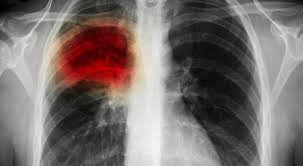
Lung cancer diagnosed early can often be treated successfully. Stage 1 lung cancer is an early stage with generally favourable treatment prospects. A common question from patients and families is: “Is chemotherapy needed for stage 1 lung cancer?”
Related videos and posts
The linked Instagram content is in Turkish.
For the broader clinical context, see Lung Cancer: Symptoms, Treatment and Surgery.
This article explains when chemotherapy may be considered, the available treatments and the issues patients should discuss with their team.
Contents
- What Is Stage 1 Lung Cancer?
- 2. Is Chemotherapy Needed?
- 3. Treatments for Stage 1 Lung Cancer
- 4. Survival and Recovery
- 5. Can It Recur?
- 6. Can Someone with Stage 1 Lung Cancer Live Normally?
- Frequently Asked Questions
What Is Stage 1 Lung Cancer?
Stage 1 describes early lung cancer that has not spread to lymph nodes or distant organs.
For non-small cell lung cancer, the main groups are:
- Stage IA: A tumour generally 3 cm or smaller, without nodal or distant spread.
- Stage IB: A tumour generally larger than 3 cm and up to 4 cm, or one with certain other local features, without nodal or distant spread.
These are simplified descriptions; the complete TNM assessment includes features beyond size. Surgery is often the preferred treatment for a fit patient with operable disease, with the aim of cure.
2. Is Chemotherapy Needed?
After complete removal of stage IA non-small cell lung cancer, chemotherapy is not routinely recommended. For stage IB, the decision is individual and considers tumour characteristics, recurrence risk, general health and the staging edition used. Evidence does not support treating every stage 1 patient with chemotherapy.
When Might Chemotherapy Be Given?
Additional treatment may be considered in selected circumstances. If the final diagnosis is small cell lung cancer, postoperative chemotherapy is generally part of the treatment plan because this cancer behaves differently. Preventive brain radiotherapy or MRI surveillance requires a separate, individual discussion; brain radiotherapy is not an automatic recommendation for every stage 1 patient.
For non-small cell disease, the team may also consider tumour biomarkers and eligibility for specific postoperative therapies.
3. Treatments for Stage 1 Lung Cancer
Surgery is a common treatment, but there are alternatives for patients who cannot undergo an operation or choose not to have one after informed discussion.
a) Surgery
The aim is to remove the tumour completely and adequately assess or remove relevant lymph nodes.
Operations include:
- Lobectomy: Removal of one lung lobe, a commonly used operation.
- Segmentectomy or wedge resection: Removal of a smaller amount of lung in selected patients with suitable small tumours.
- Pneumonectomy: Removal of an entire lung, rarely necessary for stage 1 disease.
b) Radiotherapy or Chemotherapy
- Adjuvant chemotherapy, given after surgery, is generally not used for stage IA. It may be discussed for selected higher-risk stage IB cases.
- Radiotherapy, particularly stereotactic body radiotherapy, may be an alternative when surgery is unsuitable. Routine postoperative radiotherapy is not the standard after complete resection of stage 1 disease.
4. Survival and Recovery
Stage 1 lung cancer is often treated with the aim of cure, but no treatment guarantees that it will not return. Prognosis depends on the precise stage, cancer type, complete removal, tumour biology and the patient's health.
| Stage | General outlook |
|---|---|
| Stage IA | Usually the most favourable outlook among invasive lung cancers; results vary within its subgroups. |
| Stage IB | Often curable, but recurrence risk and the need for additional treatment need individual assessment. |
A single figure such as 95% or 98% is not an appropriate prediction for every stage 1 patient. Some people live for many years after successful treatment and return to their usual life.
5. Can Stage 1 Lung Cancer Recur?
Recurrence is possible even after early-stage treatment. Continuing to smoke also increases the risk of further health problems and a new lung cancer.
Reducing Risk and Attending Follow-Up
- Avoid smoking and tobacco products.
- Attend scheduled medical reviews and follow-up CT scans.
- Maintain a balanced diet.
- Exercise appropriately for your recovery and health.
These steps support health, but cannot guarantee prevention of recurrence. Follow-up aims to detect problems promptly rather than directly preventing them.
6. Can Someone with Stage 1 Lung Cancer Live Normally?
Many patients can return to an active, fulfilling life after appropriate treatment. Long-term survival is possible, although an individual's outlook cannot be guaranteed.
Regular follow-up and healthy habits remain important after treatment.
Frequently Asked Questions
1. Can stage 1 lung cancer be cured?
Yes, treatment often aims for cure. The chance varies with the exact stage, tumour biology, treatment and general health; a universal 95–98% cure rate should not be assumed.
2. Is chemotherapy compulsory?
No. It is not routinely recommended after complete resection of stage IA non-small cell lung cancer. Selected stage IB patients may need an individual discussion. Small cell lung cancer is different and usually requires systemic treatment even when found early.
3. Can stage 1 lung cancer return?
Yes. Follow-up remains necessary. Smoking increases the risk of a new lung cancer and other illnesses, while missed appointments can delay detection of recurrence.
4. Can lung cancer be treated without surgery?
For suitable stage 1 patients who cannot undergo surgery, stereotactic radiotherapy may be used with curative intent. Targeted medicines are considered only in specific biomarker-defined circumstances and are not a general substitute for local treatment.
5. How long can someone live with stage 1 lung cancer?
Some successfully treated patients live for many years. Your team can explain the outlook based on your own pathology, staging and health rather than a single predicted lifespan.
Early-stage lung cancer often has favourable treatment prospects. Chemotherapy is not necessary for everyone, but selected patients may benefit from additional treatment. You can contact Prof. Dr. Kemal Karapınar to discuss an individual assessment.
Sources and further reading
These resources provide general background on this topic; they do not replace an individual medical assessment.