
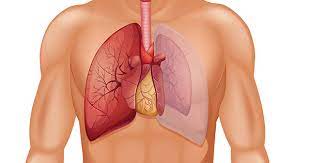
Pneumothorax is a condition affecting lung function that requires careful assessment, including in people who lead an active life. Chest trauma and activities involving pressure changes have particular implications. However, spontaneous pneumothorax often occurs at rest, and exercise should not be assumed to be its cause. This article explains what pneumothorax is, how it relates to sport and eight precautions for active people. The aim is to help readers recognise symptoms and make informed decisions. Early recognition and appropriate management can be lifesaving, as emphasised in the care provided by experienced specialists such as Prof. Dr. Kemal Karapınar.
Related videos and posts
The linked Instagram content is in Turkish.
Pneumothorax is commonly called a collapsed lung. Air collects in the pleural space around the lung, allowing it to collapse partly or completely. Breathing can become difficult and urgent treatment may be necessary. In sport, a blow to the chest can cause traumatic pneumothorax, while altitude changes and compressed-gas diving have particular risks. This article considers these issues and questions about returning to activity.
For the broader clinical context, see Pneumothorax Surgery.
What Is Pneumothorax?
Pneumothorax occurs when air enters the space between the lung and chest wall. Normally, the pressure relationship in this space helps keep the lung expanded. Air entering the space disrupts that relationship. Pneumothorax can be primary spontaneous, secondary to an underlying lung disorder, or traumatic following an injury.
Primary spontaneous pneumothorax is more common in tall, slim young people. Smoking substantially increases the risk. Secondary pneumothorax occurs with conditions such as COPD or cystic fibrosis, and occasionally severe asthma. Traumatic pneumothorax can follow a sporting injury or accident. Symptoms include sudden chest pain, breathlessness, a rapid heartbeat and, in severe cases, blue discolouration of the skin. Stop activity and seek medical help if these symptoms develop.
Prof. Dr. Kemal Karapınar emphasises the importance of early diagnosis and an individual assessment. A chest X-ray often establishes the diagnosis, with further investigations selected when needed. Pneumothorax can be life-threatening and should not be dismissed as a simple sports injury.
What Causes Pneumothorax?
The causes vary. One possible mechanism is leakage from small air-filled areas near the lung surface, called blebs or bullae. Smoking and underlying lung abnormalities can contribute. A spontaneous episode can occur without an obvious trigger, including at rest; a temporal association with exercise does not establish that exercise caused it.
Other causes or relevant factors include:
- Trauma: A blow to the chest during football, basketball, martial arts or another activity.
- Pressure changes: Compressed-gas diving and exposure to reduced atmospheric pressure require special consideration.
- Lung disorders: Conditions such as COPD can increase susceptibility.
- Medical procedures: Pneumothorax can occur after procedures such as a needle lung biopsy.
- Genetic factors: A family history or certain inherited conditions may be relevant.
Heavy lifting increases pressure within the chest, but it is not an established universal cause of spontaneous pneumothorax. Restrictions after an episode or an operation should be tailored to healing, symptoms and the treating team's advice. Understanding individual risk factors is more useful than assuming all exercise is dangerous.
Pneumothorax Risks for Athletes
Sport benefits general health. Athletes need to understand particular situations rather than assume that athletic training itself makes everyone more likely to develop pneumothorax:
- Strenuous effort: Heavy training may need to be restricted during recovery, although ordinary physical activity has not been established as a general cause of spontaneous episodes.
- Contact sports: A direct chest injury can cause traumatic pneumothorax.
- High-altitude activities: Lower atmospheric pressure can expand trapped air; avoid these activities while a pneumothorax remains unresolved.
- Underwater activities: Compressed-gas diving can be dangerous after a pneumothorax and requires specialist advice.
- Smoking and lifestyle: Smoking increases risk even in otherwise fit people.
Recurrence is possible, but there is no single 30–50% recurrence figure that accurately applies to all athletes. Risk varies by pneumothorax type, underlying disease, treatment and follow-up. An individual treatment and activity plan is therefore important.
These eight points help guide a safer response to symptoms and a return to activity. They do not replace personal advice from your treating team.
1. Pay Attention to Sudden Chest Pain
Stop exercising if you develop sudden, sharp chest pain. It is a common symptom of pneumothorax, often on one side, and can be accompanied by difficulty breathing. Prompt assessment is important.
2. Take Breathlessness Seriously
Unexpected breathlessness, especially when disproportionate to the effort, can be a warning sign. Do not dismiss unusual shortness of breath as a lack of fitness. Early assessment helps identify the cause and any complication.
3. Avoid Smoking
Smoking substantially raises the risk of spontaneous pneumothorax and recurrence. Stopping smoking is an important practical step for lung health and recovery. The size of the increased risk varies, so a fixed multiplier does not apply to every person.
4. Discuss Heavy Lifting and Strenuous Exercise
Weightlifting and intense training may need to be paused while the lung or surgical wounds heal. There is no universal restriction lasting several months for every patient. Resume gradually once your team confirms that recovery and the planned activity make it appropriate.
5. Get Assessed After a Significant Chest Injury
Pneumothorax can develop after a blow to the chest, sometimes with delayed symptoms. Seek assessment for chest pain, breathlessness or a significant injury. Whether a chest X-ray is needed depends on that assessment; routine imaging after every minor bump is not necessary.
6. Take Altitude and Pressure Changes Seriously
Do not fly or undertake high-altitude activities with an unresolved pneumothorax. After full resolution has been confirmed on imaging, further waiting and individual advice may be needed before flying. Slow acclimatisation or supplemental oxygen does not make an unresolved pneumothorax safe. After a spontaneous pneumothorax, compressed-gas scuba diving is generally discouraged unless a specialist confirms that a sufficiently reliable definitive prevention strategy has been performed and diving fitness requirements are met.
7. Remember That It Can Recur
After recovery, return to activity gradually and attend the recommended follow-up. Learn the warning symptoms and seek urgent assessment if they return. This is more reliable than assuming that fitness or a particular exercise programme eliminates recurrence.
8. Review Your Overall Health
Seek medical advice about sport if you have an underlying lung condition. Body build, smoking, family history and previous episodes may all influence assessment. Balanced nutrition and appropriate follow-up support general health, but they cannot guarantee prevention.
These precautions reflect the individual approach used in clinical care. Prof. Dr. Kemal Karapınar helps patients choose activities according to their condition and treatment.
Treatment Options for Pneumothorax
Treatment depends on symptoms, physiological stability, pneumothorax type and other clinical factors, rather than size alone. Selected stable patients with primary spontaneous pneumothorax may be observed. Oxygen is given when clinically indicated, not routinely to every patient. As an air leak resolves, the lung may re-expand.
Other options include:
- Chest drainage: A tube or other suitable drainage device removes air from the pleural space. Emergency treatment is needed for unstable patients or tension pneumothorax.
- Surgery: For selected patients, including those with recurrence or a persistent air leak, video-assisted thoracic surgery (VATS) can treat the leak and help reduce recurrence.
- Pleurodesis: A procedure that encourages the pleural surfaces to adhere and helps reduce the chance of another pneumothorax.
Treatment can relieve symptoms and support lung re-expansion, but all interventions have potential complications. Some care is hospital-based and selected patients can be managed through a supervised ambulatory pathway. The plan is adapted to individual needs, with respiratory and thoracic surgical expertise when appropriate.
Recovery and Risk Reduction
Recovery varies; a fixed one-to-four-week period does not apply to every pneumothorax or operation. Rest is balanced with gradual activity according to symptoms and the treatment plan. Do not return to strenuous sport without advice from your team. Pain relief and prescribed physiotherapy may help recovery.
Useful steps include:
- Stop smoking.
- Return to training gradually once appropriate.
- Use suitable protection for activities involving a risk of chest trauma.
- Attend the follow-up imaging and appointments your team recommends; routine repeated lung screening is not a way to guarantee prevention.
These measures help manage risk and support recovery, but cannot ensure that a pneumothorax will never occur again. Patient education is an important part of care.
Frequently Asked Questions
Below are common questions about pneumothorax and sport.
What Is Pneumothorax and How Does It Develop?
It is air in the space around the lung, allowing the lung to collapse. Trauma can cause it during sport, but a spontaneous episode may occur at rest without an obvious trigger.
What Are Its Symptoms?
Sudden chest pain and breathlessness are typical. A rapid pulse or cough may also occur.
How Can Sporting Activities Affect Risk?
Chest injuries and pressure-related activities have specific risks. Ordinary exercise is not an established universal cause of spontaneous pneumothorax, and recovery restrictions are individual.
How Long Does Treatment Take?
Some patients improve over days, while others need drainage, surgery or a longer recovery. The course depends on the type and clinical response.
Can It Recur?
Yes. The probability varies with the underlying condition and treatment; a single percentage cannot describe every athlete.
When Can Athletes Return After Pneumothorax?
After resolution and appropriate clinical review, return is usually gradual. There is no fixed one-to-two-month rule for everyone.
How Does Smoking Affect Pneumothorax?
It increases the risk of a first episode and recurrence. Stopping is strongly advisable.
Can It Be Prevented?
Risk can be reduced, particularly through stopping smoking and, in selected patients, recurrence-prevention treatment. Prevention cannot be guaranteed.
Are High-Altitude Sports a Concern?
Yes, particularly while air remains in the pleural space. Discuss plans with your team before returning to altitude-related activities.
Is Surgery Necessary?
Not in every case. It is considered for particular indications, including recurrent pneumothorax, persistent air leak and circumstances where recurrence prevention is especially important.
Conclusion
Pneumothorax and sport require an individual approach. This article has discussed causes, risks, eight precautions, treatment and returning to activity. Recognising symptoms early and following the treatment plan supports safer recovery. Prof. Dr. Kemal Karapınar provides individual assessment and guidance. Listen to your symptoms and seek medical advice before returning to higher-risk activities.
Sources and further reading
These resources provide general background on this topic; they do not replace an individual medical assessment.