
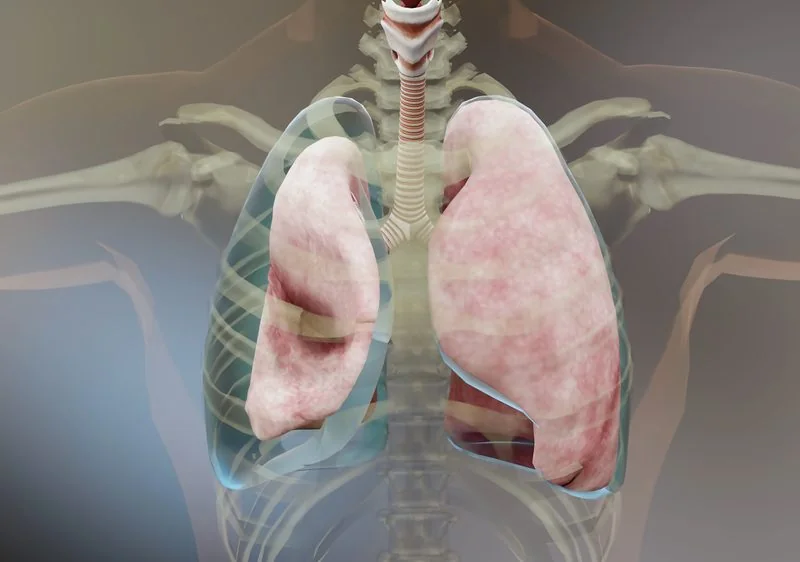
Pneumothorax, commonly called a collapsed lung, is a potentially serious condition in which air collects between the lung and chest wall, causing the lung to collapse partly or completely. It can cause sudden chest pain and breathlessness and may need urgent treatment. Surgery is considered especially when pneumothorax recurs or non-surgical measures have not been enough. Preparation supports a safer operation and easier recovery. It ranges from medical assessment to changes in everyday habits, with the aim of improving the patient's overall condition.
Related videos and posts
The linked Instagram content is in Turkish.
An experienced thoracic surgeon such as Prof. Dr. Kemal Karapınar approaches pneumothorax treatment according to the needs of each patient. This article explains what pneumothorax is, why it occurs and how it presents, then describes nine practical steps before surgery. It aims to offer a clear guide, reduce uncertainty and support informed preparation. It also explains how surgery is performed and its potential benefits.
For the broader clinical context, see Pneumothorax Surgery.
What Is Pneumothorax?
Pneumothorax means air has accumulated between the pleural layers around the lung. Normally, pressure in this space helps the lung remain expanded as you breathe. Air entering the space disrupts that pressure and allows the lung to collapse. Breathing may be impaired, and some cases can be life-threatening.
Spontaneous pneumothorax is usually classified as primary or secondary. Primary spontaneous pneumothorax occurs without known underlying lung disease and is particularly common in tall, slim young men. Secondary spontaneous pneumothorax is associated with conditions such as COPD, asthma or lung infection. Trauma can also cause pneumothorax, while an iatrogenic pneumothorax occurs in connection with a medical procedure.
Treatment depends on symptoms, physiological stability, underlying disease and other factors, rather than size alone. Observation may be suitable for selected stable cases; others require a chest drain or surgery. Detailed assessment helps determine the right approach for each patient.
What Causes Pneumothorax?
Causes vary and often involve areas of weakness in lung tissue. Primary spontaneous pneumothorax can follow rupture of small air-filled spaces on the lung surface, called blebs or bullae. These can develop in association with smoking or other factors. It is particularly common in young adults aged about 15–35, and symptoms may begin during ordinary activities, coughing or exertion.
Secondary pneumothorax is related to an underlying condition. Damaged lung tissue in COPD can leak air more readily. Asthma attacks, tuberculosis and lung cancer are other possible associations. Traumatic causes include chest injuries, broken ribs and penetrating wounds. Pneumothorax can also occur during treatments such as mechanical ventilation.
Smoking substantially increases risk by damaging lung tissue. When discussing causes, Prof. Dr. Kemal Karapınar assesses individual risk factors and explains the importance of lifestyle changes. Recognising symptoms and seeking timely care are important because a serious pneumothorax may need urgent intervention.
Symptoms and Diagnosis
Symptoms often begin suddenly. Sharp chest pain, usually worse with breathing, is common. Breathlessness, rapid breathing and a fast heartbeat may occur. Some people also have a cough, fatigue or bluish skin discolouration, known as cyanosis. Severe physiological compromise can lead to signs of shock.
Assessment begins with examination, including listening for reduced breath sounds. A chest X-ray commonly confirms the diagnosis. CT can provide more detail when needed. Additional tests, such as blood gas measurement, and occasionally cardiac imaging for other clinical concerns, may be used according to the situation.
Do not dismiss sudden chest pain or breathlessness. Early diagnosis helps reduce the risk of complications. A thorough assessment and explanation of findings help patients understand what is happening and why a particular treatment is recommended.
Treatment Options
Treatment is selected according to the type of pneumothorax and the patient's clinical condition. Selected stable patients may be monitored while air is reabsorbed. Oxygen is used when clinically indicated, rather than automatically for every patient. Needle aspiration or a chest drain can remove air when intervention is needed. A drain is commonly connected to an underwater seal to allow the lung to re-expand.
Surgery may be considered for recurrence, persistent air leakage or situations in which preventing recurrence is especially important. A large pneumothorax does not automatically require an operation. Video-assisted thoracoscopic surgery (VATS) uses a camera and instruments through small incisions. Open surgery, or thoracotomy, is used less often. Pleurodesis, which encourages the pleural layers to adhere, can help reduce recurrence.
Treatment should be individualised. Prof. Dr. Kemal Karapınar discusses the options according to the patient's needs, with attention to safety, complications and recovery.
What Is Pneumothorax Surgery, and When Is It Needed?
Surgery aims to reduce the chance of another lung collapse. It is particularly considered for recurrent spontaneous pneumothorax or a persistent air leak despite chest drainage. It usually involves removal of leaking blebs or bullae and a procedure to help the pleural layers adhere.
VATS is commonly used and may offer less pain and faster recovery than open surgery. Thoracotomy may be needed in complex cases or where the lowest possible recurrence risk is particularly important. The decision considers age, general health, the clinical episode and personal circumstances. Bilateral pneumothorax and high-risk occupations can support earlier consideration of surgery.
The procedure can improve quality of life by reducing the risk of recurrence. Patient safety and selection of an appropriate technique remain central to the decision.
Benefits and the Surgical Process
Potential benefits include a lower recurrence risk and, with minimally invasive techniques, a shorter hospital stay and faster return to everyday life. Smaller incisions may reduce wound problems. The aim is to preserve useful lung tissue while treating the source of air leakage; surgery does not eliminate every future respiratory risk.
Under general anaesthesia, the surgeon removes affected air-filled spaces and performs pleurodesis as appropriate. The operation often takes around one or two hours, although this varies. A chest drain is used afterwards to remove air and monitor leakage. Compared with drainage alone, surgery can provide a more durable reduction in recurrence risk.
Care throughout the process focuses on comfort, prevention and early recognition of complications, and a supported return to normal activities.
Nine Important Preparations Before Surgery
Preparation supports physical and emotional readiness. These nine steps reflect general surgical principles but must be adapted to the urgency of treatment and the individual patient's condition.
Medical assessment and tests: A detailed assessment may include blood count and biochemistry, chest X-ray, CT and an ECG. These help identify anaemia, infection or heart problems and clarify surgical risk. Tell the team about diabetes, high blood pressure and other existing conditions. Planned preparation may take one or two weeks, but urgent pneumothorax treatment must not be delayed for a routine timetable.
Stopping smoking and discussing alcohol use: Smoking damages lung tissue and delays healing. Stop as early as possible; four to six weeks before planned surgery can be beneficial when time allows. Urgent care should not wait for this interval. Heavy alcohol use can also affect bleeding and recovery, so discuss it honestly with the team. Nicotine replacement and support programmes may help. Stopping smoking supports lung health and reduces recurrence and postoperative risks, although the size of the benefit varies.
Reviewing medicines and treatments: Blood thinners, steroids and other regular medicines need review. Some may need adjustment, but never stop them on your own. Aspirin and other drugs can affect bleeding risk. Tell the team about allergies and all ongoing treatment to help plan safe anaesthesia and care.
Nutrition and hydration: A balanced diet supports recovery. Protein-rich foods, including meat, eggs and dairy where suitable, help wound healing. Vitamin C or zinc supplements may be suggested if needed rather than taken routinely. Light meals in the days before surgery may be easier to tolerate. Drink appropriately until the instructed fasting time. A dietitian can help if you are undernourished or have obesity.
Learning breathing exercises: Learn deep-breathing and supported coughing techniques and, if prescribed, how to use an incentive spirometer. These can support lung expansion after surgery. Practising for about 10–15 minutes daily may help when recommended. Instruction from a physiotherapist is useful, and exercises must be appropriate to the current pneumothorax and treatment plan.
Emotional preparation: Anxiety before surgery is common. Relaxation, meditation, adapted gentle activity and support from family can help. Clear explanations of the procedure often reduce uncertainty. Prof. Dr. Kemal Karapınar's approach includes listening to concerns and explaining each stage to support confidence and participation in recovery.
Preparing your home and daily routine: Arrange help for the first days, postpone heavy tasks and prepare a comfortable place to rest. Stair use and other activities should follow your team's advice; gentle activity is usually reintroduced progressively rather than avoided unnecessarily. Planning improves comfort after discharge.
Fasting and hygiene: Follow the anaesthetist's specific instructions. For many healthy adults having elective anaesthesia, a light meal requires at least six hours of fasting, while clear fluids may be allowed until two hours before; fatty meals and individual conditions may require longer. Do not apply a universal 8–12-hour restriction to all foods and fluids. Shower and follow the hospital's infection-prevention instructions.
Preventing infection and other complications: Review recommended influenza and pneumococcal vaccination when appropriate and optimise chronic conditions. Vaccination planning must not delay urgent care. Good control of existing illnesses and following the team's instructions help reduce avoidable risk.
Together, these steps help answer common questions about preparation and allow patients to approach surgery more confidently.
Care and Recovery After Surgery
Hospital stay is often around two to five days, depending on air leakage and overall recovery. The chest drain is monitored, pain relief is given and breathing exercises continue. Many patients recover substantially over two to four weeks, with light activities introduced gradually and heavier work often postponed for about six weeks according to advice.
Important measures include avoiding smoking, taking medicines as prescribed and keeping wounds clean. Follow-up commonly includes a chest X-ray. Infection and bleeding are possible complications and should be watched for even when uncommon. Ongoing assessment helps address problems early and supports recovery.
Frequently Asked Questions
Common questions before and after pneumothorax surgery include:
- What is pneumothorax, and why does it happen? It is air in the space around the lung. It can arise spontaneously, after injury or because of an underlying disease.
- What are the symptoms? Sudden chest pain, breathlessness and sometimes coughing are common.
- How is it diagnosed? Chest X-ray is commonly used; CT may be needed for further detail.
- When is surgery needed? It is considered especially for recurrence, persistent air leakage or particular circumstances requiring recurrence prevention.
- How is surgery performed? VATS is a common minimally invasive approach; other methods are selected when appropriate.
- How long does recovery take? Often two to four weeks for substantial recovery and one or two months for fuller recovery, with individual variation.
- Can it recur after surgery? Surgery lowers the risk but does not eliminate it. Smoking and other factors still matter.
- Should I stop smoking before surgery? Yes, stop as early as possible to support healing and reduce risks, but do not delay urgent care.
- What are the benefits of surgery? It can provide a durable reduction in recurrence risk and improve quality of life.
- What matters after surgery? Breathing exercises, appropriate rest and activity, and attending follow-up appointments are important.
Conclusion
Pneumothorax can be managed with timely assessment and treatment. This article has explained its definition, causes, symptoms and treatments, with particular attention to nine preparations before surgery. Medical assessment and suitable lifestyle measures support a safer operation and recovery. For selected patients, surgery lowers the risk of recurrence and helps them return to everyday life.
Prof. Dr. Kemal Karapınar's thoracic surgical practice uses an individualised approach, with detailed assessment and explanations at each stage. This guide is intended to support informed preparation; the safest plan is the one agreed with the treating team for your own circumstances.
Sources and further reading
These resources provide general background on this topic; they do not replace an individual medical assessment.