
Related videos and posts
The linked Instagram content is in Turkish.
How long does a collapsed lung take to heal?
Recovery varies with the cause, underlying lung health and treatment. Your care team uses follow-up assessment and imaging to check whether the lung has re-expanded. Seek urgent medical care if sudden chest pain or shortness of breath returns. British Thoracic Society guideline.
When is surgery considered if pneumothorax recurs?
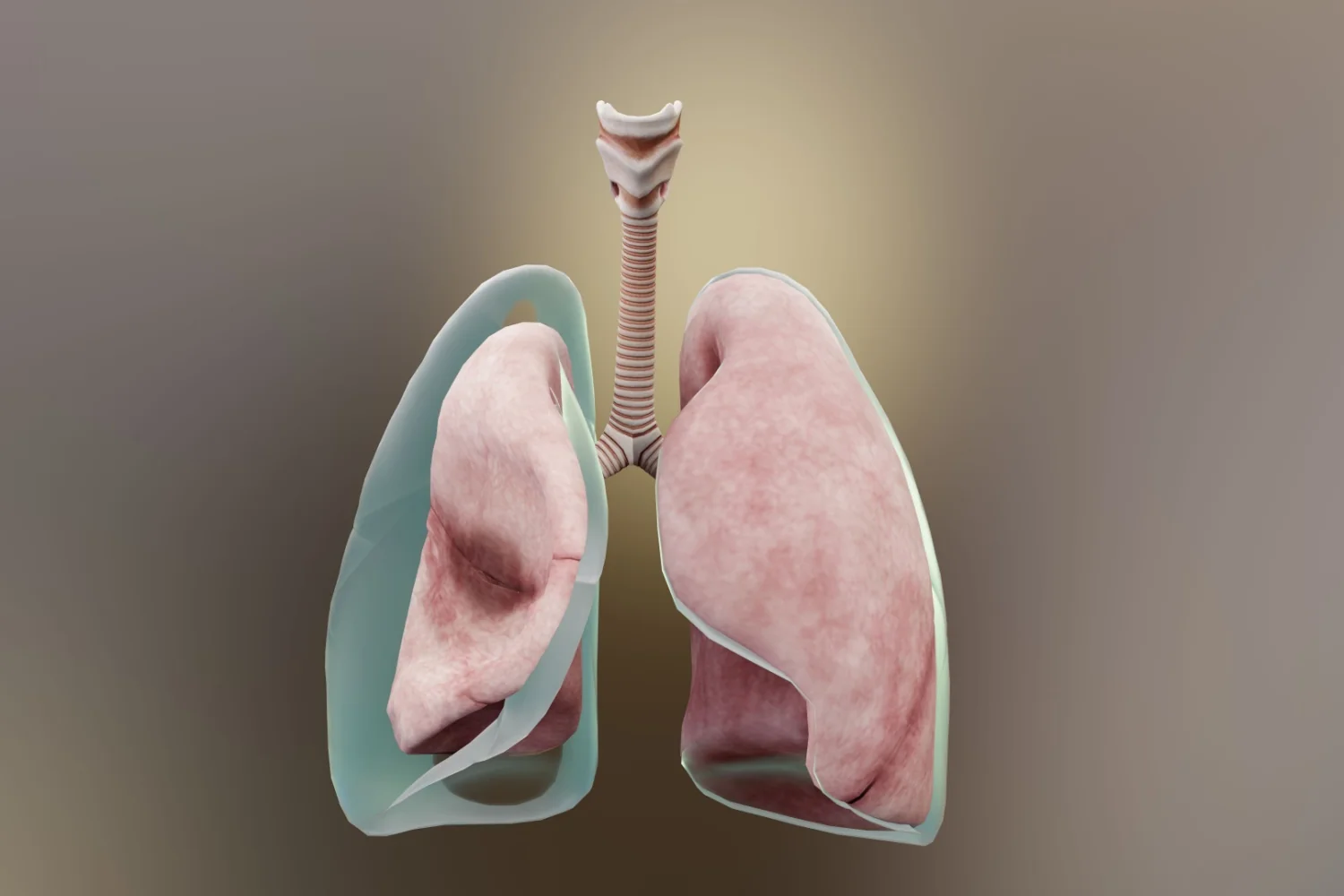
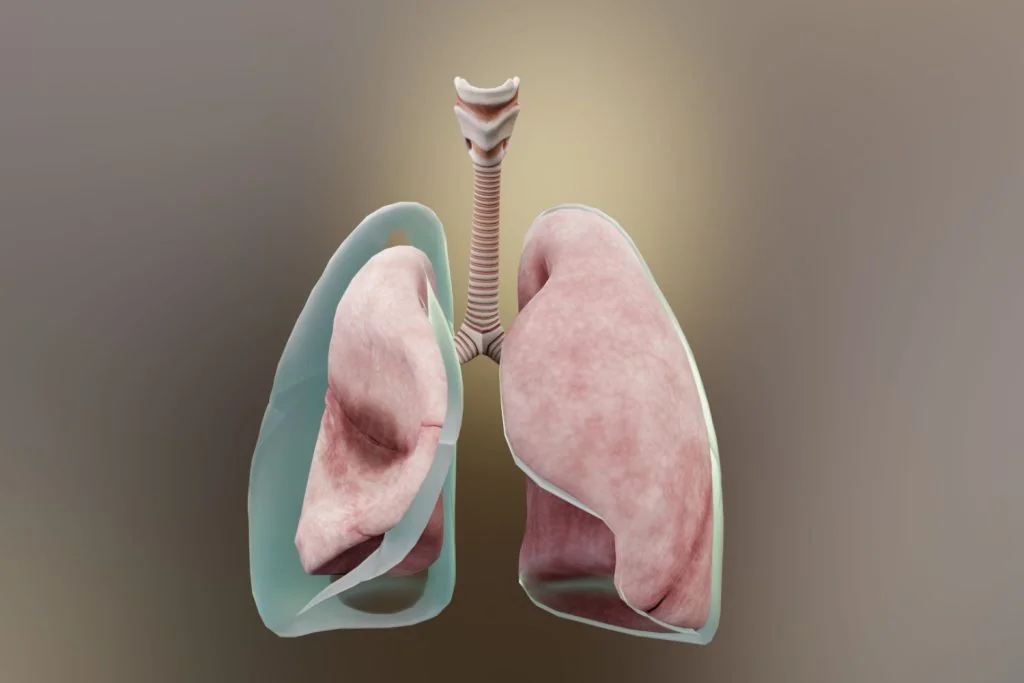
Pneumothorax, often called a collapsed lung, develops when air collects in the space between the lung and chest wall, causing part or all of the lung to collapse. It can cause sudden chest pain and shortness of breath. Although prompt medical assessment allows it to be managed, the recovery period can affect quality of life. Recovery involves everyday habits as well as medical treatment. An appropriate plan supports lung health and helps patients understand how to reduce avoidable risks.
An experienced thoracic surgeon such as Prof. Dr. Kemal Karapınar adapts treatment and recovery advice to the patient's needs. This article explains pneumothorax, its treatment and six practical strategies for recovery. It is a clear guide for people looking for information, but every patient is different. The advice is general and does not replace an individual medical assessment.
For the broader clinical context, see Pneumothorax Surgery.
Pneumothorax means air has collected between the layers of the pleura, the lining around the lung. The air compresses the lung and interferes with its function. It may occur spontaneously, after an injury or following a medical procedure. Symptoms often begin suddenly and can include chest pain, difficulty breathing, a fast heartbeat and pain felt in the shoulder. Suitable, clinically stable patients may be managed with close observation. Oxygen is given when needed, for example when blood oxygen is low, rather than routinely for everyone. Decisions depend on symptoms, overall condition and underlying lung disease, not size alone. Other patients may need aspiration, a chest drain or surgery. Recovery can take days to weeks, depending on the situation.
Tiredness and mild discomfort are common after treatment. Supporting normal healing is important during this period. The following strategies reflect the principles of rehabilitation and clinical follow-up. Prof. Dr. Kemal Karapınar emphasises an individual recovery plan rather than one fixed programme for everyone.
1. Rest and Activity: Recover Without Overexerting Yourself
Adequate rest is an important part of recovery. In the early days after treatment, the body is healing and the team may advise limits on strenuous activity. Heavy lifting, running and intense sports may need to wait, often for at least 1–2 weeks or longer depending on the treatment and progress. Gentle walking is usually encouraged when the clinical team considers it safe.
Prof. Dr. Kemal Karapınar individualises advice about rest. Emotional as well as physical recovery matters, and stress can affect how comfortable breathing feels. Practical steps include:
- Create a daily routine: Include gentle movements and short rest breaks. Balance comfortable rest with brief walks rather than remaining in bed for long periods.
- Increase activity gradually: Start short walks when your treatment team advises it, and increase time and distance according to your recovery.
- Support good sleep: Aim for enough sleep, commonly around 7–9 hours for adults. Unless you have a specific restriction related to surgery or a drain, choose a sleeping position that feels comfortable.
This approach supports a safe return to daily activity. It cannot be said to reduce recurrence by a fixed percentage. Do not push through significant tiredness or worsening symptoms; tell your team if recovery is not progressing as expected.
2. Breathing Exercises: Supporting Lung Function
After treatment, breathing exercises may help lung expansion and mucus clearance when recommended by the clinical team. They should be adapted to the stage of recovery and any ongoing air leak or other restriction. Prof. Dr. Kemal Karapınar incorporates appropriate breathing care into individual rehabilitation plans.
A collapsed lung temporarily reduces the amount of lung available for breathing. During recovery, the following techniques may be used if your team recommends them:
- Deep breathing: While sitting comfortably, breathe in slowly through your nose, briefly pause if comfortable and breathe out gently. An example is four seconds in, a two-second pause and six seconds out, but do not force a breathing pattern or hold your breath if it causes discomfort. Your physiotherapist should advise the frequency.
- Incentive spirometry: If prescribed, this device gives visual feedback while you take a slow, deep breath. Use the technique and targets demonstrated by your team.
- Coughing techniques: Gentle, supported coughing can help remove mucus. Avoid excessive straining, and seek advice if pain prevents effective coughing.
Some people find breathing becomes more comfortable over the following 2–4 weeks, but the pace varies. Exercises can support recovery and mucus clearance; they do not guarantee full lung function or prevent every infection. Prof. Dr. Karapınar adapts them to each patient's condition.
3. Avoid Smoking and Other Harmful Exposures
Smoking is an important risk factor for pneumothorax and recurrence. Continuing to smoke after treatment is harmful to lung health. Prof. Dr. Kemal Karapınar emphasises stopping smoking as a key part of longer-term care.
Avoiding harmful inhaled substances also supports recovery. Smoking cessation and reducing exposure to smoke or irritants are practical steps:
- Stop smoking completely: Ask about support, nicotine replacement or other suitable treatments. The first week may be difficult, but professional support can help.
- Avoid second-hand smoke: Stay away from smoke-filled environments.
- Reduce other exposures: Follow safety advice around dust and chemicals, and use local air-quality advice to limit heavy pollution exposure where possible.
Stopping smoking can help reduce recurrence risk. Its effect on lung health cannot be expressed as one fixed percentage that applies to every patient. Prof. Dr. Karapınar supports patients in making these changes as part of their overall treatment plan.
4. Nutrition and Hydration: Supporting Healing
Adequate nutrition supports tissue repair and general recovery. A varied diet is more useful than claims that a particular food can cure or prevent pneumothorax. Prof. Dr. Kemal Karapınar recommends balanced nutrition as part of a holistic approach.
Useful measures include adequate fluids and nutritious foods:
- A varied selection of foods: Fruit, such as apples or strawberries; vegetables, such as spinach or broccoli; and sources of unsaturated fats, such as fish and walnuts, can form part of a balanced diet.
- Protein: Eggs, chicken and pulses provide nutrients needed for tissue repair.
- Hydration: Follow your clinician's advice about fluids. People with heart or kidney disease may need a fluid restriction rather than a universal intake of 2–3 litres daily.
Good nutrition helps maintain energy and supports recovery. Weight management may also be relevant because excess weight can make activity and breathing harder for some people.
5. Pain and Discomfort: Making Daily Activities Easier
Pain after pneumothorax treatment, especially after a drain or operation, is a common concern. An individual pain-relief plan can improve comfort and make walking, breathing exercises and sleep easier. Prof. Dr. Kemal Karapınar tailors pain management to the patient and procedure.
Strategies include:
- Medicines: Take prescribed pain relief as directed and avoid taking more than the recommended dose.
- Cold or warmth: Ask your team whether a wrapped cold pack or another local measure is appropriate. Protect the skin and do not apply it directly to an incision or drain site without advice.
- Comfortable positions: Pillows may provide support while sitting or resting.
These measures can help with daily activity. Increasing pain, particularly with new breathlessness, should not simply be treated as normal recovery and needs prompt assessment.
6. Follow-Up: Recognising Problems and Recurrence
Pneumothorax can recur. Follow-up confirms resolution, reviews any underlying lung disease and helps patients recognise warning symptoms. Prof. Dr. Kemal Karapınar prioritises follow-up as part of patient safety.
Recommendations include:
- Chest X-rays: The team decides the timing. Patients managed by observation or needle aspiration are commonly advised to have a follow-up X-ray in 2–4 weeks; other treatment pathways may require earlier or more frequent reviews.
- Flying and diving: Do not fly before full resolution has been confirmed on a chest X-ray. After the X-ray demonstrates full resolution, wait at least seven days and obtain individual medical advice. Scuba diving with compressed gas is generally discouraged unless a very secure preventive surgical strategy has been performed and a specialist has assessed fitness to dive.
- Monitor symptoms: New chest pain or shortness of breath requires prompt assessment; severe symptoms need emergency help.
Follow-up supports safe recovery. It does not make recurrence impossible.
Frequently Asked Questions (FAQs)
The following answers address common questions about pneumothorax and recovery.
- What is pneumothorax? Air collects between the lung and chest wall, compressing the lung and potentially making breathing difficult.
- What are the symptoms? Sudden chest pain, shortness of breath, a fast heartbeat and shoulder pain can occur. Symptoms can be mild in some patients.
- What causes it? It may occur spontaneously, after an injury or after a medical procedure. Smoking and underlying lung disease can increase risk.
- How is it treated? Depending on symptoms, clinical condition and underlying disease, options include observation, aspiration, chest drainage or surgery. Oxygen is used when indicated.
- How long does recovery take? It often takes several weeks, but the duration depends on severity, treatment and the individual patient.
- Can it recur? Yes. Risk varies with the type of pneumothorax, treatment and smoking; one percentage does not apply to everyone.
- What should I avoid afterwards? Do not smoke. Follow advice about strenuous exercise, flying and diving rather than returning to these activities without clearance.
- Does pneumothorax require surgery? Surgery, often VATS, may be considered for recurrence, a persistent air leak or other specific indications. It is not required for every patient.
- Can children have pneumothorax? Yes. Spontaneous pneumothorax can occur in adolescents, although chest pain or breathing difficulty has many possible causes and needs assessment.
- Can it be prevented? Stopping smoking, managing underlying lung disease and avoiding preventable injuries can help reduce risk, but not every episode can be prevented.
Conclusion
Recovery after pneumothorax involves balancing rest and activity, appropriate breathing exercises, smoking cessation, nutrition, pain relief and regular follow-up. These six strategies can support lung health and quality of life when adapted to the patient. This guide aims to explain what pneumothorax is, how it is treated and what recovery may involve.
Prof. Dr. Kemal Karapınar's patient-centred approach provides guidance during this process. For personalised advice, discuss your condition and recovery plan with respiratory medicine and thoracic surgery specialists.
Sources and further reading
These resources provide general background on this topic; they do not replace an individual medical assessment.