
Related videos and posts
The linked Instagram content is in Turkish.
Pneumothorax, often called a collapsed lung, can impair breathing and sometimes be life-threatening. It occurs when air enters the space between the lung and chest wall. It can affect young adults as well as people with underlying lung disease. Timely recognition and appropriate treatment are important. This article explains its causes, symptoms, diagnosis and treatment, followed by ten practical areas of self-care. A thoracic surgeon such as Prof. Dr. Kemal Karapınar can provide individual guidance on treatment and recurrence prevention.
For the broader clinical context, see Pneumothorax Surgery.
Some measures, particularly stopping smoking, can reduce risk. Other habits listed below mainly support general health and recovery; they have not all been shown to prevent pneumothorax directly. The aim is to help readers understand the condition without implying that lifestyle choices can eliminate the risk. Personal advice should reflect the underlying cause and any previous episode.
What Is Pneumothorax?
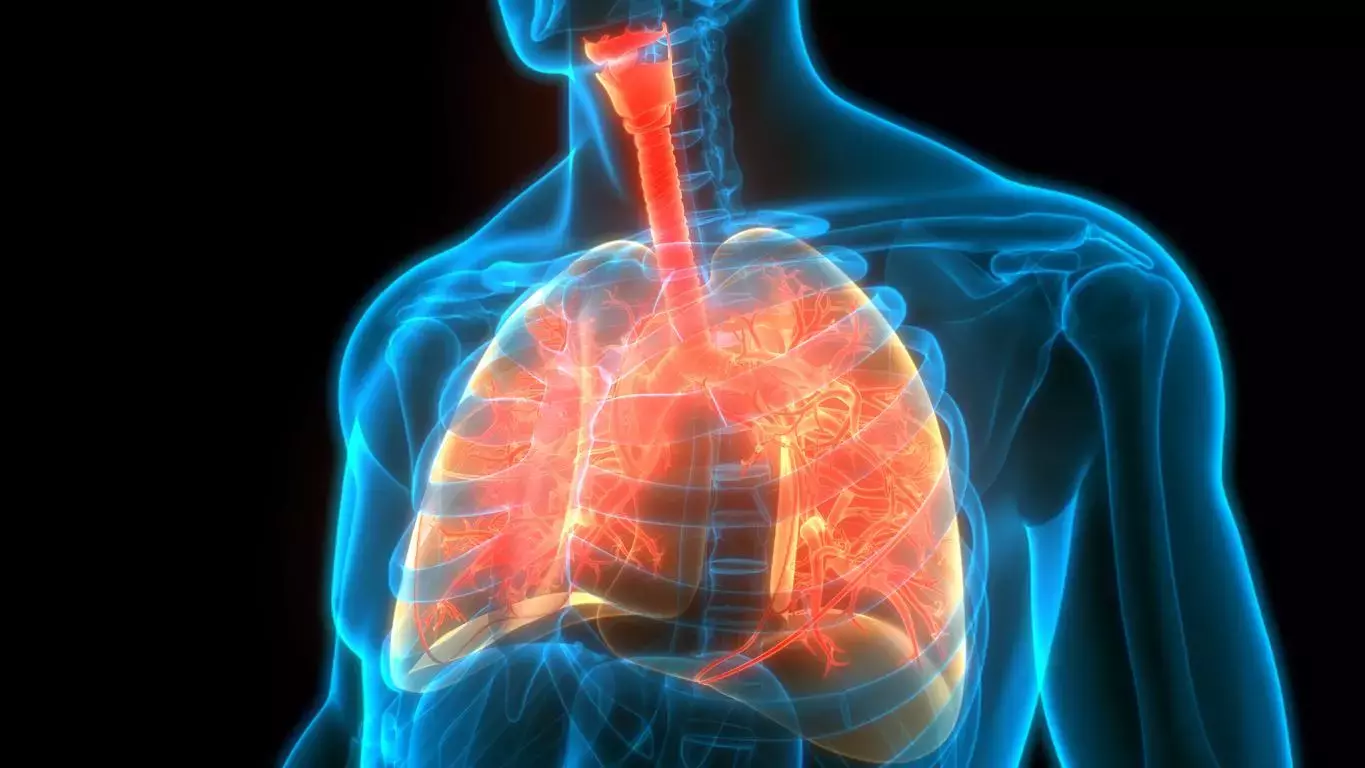
Pneumothorax means air in the pleural space between the lung and the chest wall. Air may leak from the lung or enter through a chest injury. This disrupts the pressure that normally keeps the lung expanded, allowing it to collapse partly or completely. Usually one side is affected, but both can occasionally be involved.
It may require emergency care. Some stable, minimally symptomatic cases can be monitored, while others require drainage. Size alone does not determine severity: symptoms and circulation are important. Recognising the condition promptly allows the clinical team to select safe treatment.
There are several types. Spontaneous pneumothorax occurs without an injury and includes primary disease and secondary disease associated with an existing lung condition. Traumatic pneumothorax follows injury. Tension pneumothorax is an emergency in which pressure builds up and impairs breathing and circulation. Thoracic surgical expertise is important when an operation is indicated.
Causes and Risk Factors
A spontaneous pneumothorax may involve leakage from small abnormal air spaces called blebs or bullae. Primary spontaneous pneumothorax is more common in young, tall, slim people and is strongly associated with smoking. Secondary pneumothorax occurs with underlying diseases such as COPD (chronic obstructive pulmonary disease), tuberculosis, certain infections and other lung disorders.
Traumatic causes include blows to the chest, rib fractures, penetrating wounds and road accidents. Pneumothorax can also follow a medical procedure, such as a lung biopsy, or mechanical ventilation; this is called iatrogenic pneumothorax. Genetic conditions and family history are relevant in some people. Smoking increases risk and damages lung tissue.
Assessment includes lifestyle and medical history. After a pneumothorax, activities involving changes in ambient pressure, particularly flying and scuba diving, need specific advice. Normal exercise is not automatically a cause of spontaneous pneumothorax, although strenuous activity should be avoided while recovering until cleared by the team.
Symptoms and Diagnosis
Symptoms often start suddenly. Sharp chest pain, which may worsen with breathing or coughing, and shortness of breath are typical. Rapid breathing, palpitations and weakness may occur. Severe cases can cause blue skin, faintness or signs of shock. Following trauma, swelling or bleeding may also be present.
Assessment begins with examination. Reduced breath sounds can suggest pneumothorax but do not replace imaging. A chest X-ray commonly confirms the diagnosis. CT provides more detail in selected cases, and ultrasound can assist rapid assessment in emergencies. Suspected tension pneumothorax requires immediate clinical treatment without waiting for imaging.
Prompt assessment is important. Sudden chest pain or breathlessness should not be managed by waiting at home for a routine appointment; severe symptoms require emergency help.
Treatment Options
Treatment depends on symptoms, physiological stability, whether underlying lung disease is present and other findings. Selected stable patients may be observed with follow-up while the air is absorbed. Oxygen is given when clinically indicated rather than routinely at a high dose to everyone. Needle aspiration may be appropriate in selected cases.
A chest tube drains air when required and allows the lung to expand again. Surgery may be considered for recurrence, a persistent air leak or other specific indications. Video-assisted thoracoscopic surgery (VATS) uses small incisions to treat leaking blebs or bullae and may include a procedure to make the pleural surfaces adhere, reducing recurrence risk. It does not make recurrence impossible.
Individual assessment is essential. Treatment can last days or weeks, while full recovery may take longer. The aims are to relieve symptoms, allow lung expansion and reduce further episodes where appropriate.
10 Habits and Precautions
The measures below combine established precautions with general health advice. Their evidence and purposes differ; they should not all be described as proven ways to prevent pneumothorax.
1. Stop Smoking
Smoking increases the risk of a first pneumothorax and recurrence. Stopping is one of the most useful changes you can make. Ask for support, including suitable nicotine replacement or other stop-smoking treatment, rather than attempting an unfamiliar medicine without advice.
2. Exercise Appropriately
Regular activity supports general fitness. For many adults, a general target is 150 minutes of moderate exercise a week, but this is not an instruction for someone recovering from an active pneumothorax. Begin with gentle activity when cleared, and return to swimming or strenuous exercise only with appropriate advice. Exercise is not proven to prevent every spontaneous episode.
3. Eat a Balanced Diet
Fruit, vegetables, nuts and other varied foods support general health. Foods containing healthy fats can be part of a balanced diet. There is no established special diet or antioxidant supplement that prevents a pneumothorax.
4. Maintain an Appropriate Weight
Being tall and slim is associated with primary spontaneous pneumothorax, but weight gain or weight loss has not been established as a preventive treatment. Aim for a healthy weight for overall wellbeing, with dietitian support when needed.
5. Reduce Respiratory Infection Risk
Follow recommended vaccination advice, including influenza vaccination when appropriate, and practise hand hygiene. Masks can reduce exposure to some infections in crowded settings. These measures support respiratory health but do not guarantee prevention of pneumothorax.
6. Manage Stress
Relaxation, suitable gentle yoga or meditation, and adequate sleep can help wellbeing. They have not been shown to directly prevent pneumothorax. Avoid forceful breathing or strenuous poses during recovery unless cleared.
7. Follow Advice About Higher-Risk Activities
Do not fly with an unresolved pneumothorax. Flying generally requires a chest X-ray showing full resolution and an appropriate waiting interval agreed with the clinician. Scuba diving is usually discouraged after a spontaneous pneumothorax unless a specialist confirms that strict criteria for a safe return have been met. Avoid heavy strain during recovery; protective equipment does not remove pressure-related diving risks.
8. Attend Appropriate Medical Reviews
Attend planned follow-up, especially after an episode or if a family history suggests an inherited condition. Routine annual X-rays or CT screening are not recommended simply to prevent pneumothorax in everyone. Tests are selected according to clinical findings.
9. Limit Alcohol
Avoid excessive alcohol and follow advice about interactions with medicines, particularly pain relief. This supports general health and recovery, but a particular weekly alcohol limit has not been shown to prevent pneumothorax.
10. Reduce Harmful Exposures
Avoid smoke, dust and other respiratory irritants where possible. Appropriate masks and indoor filtration may reduce some exposures. Their use should be matched to the hazard; filtration is not a proven guarantee against pneumothorax.
These habits support overall health, while smoking cessation and specific precautions after an episode have particular relevance to pneumothorax risk.
Frequently Asked Questions
What is pneumothorax, and how does it occur?
It is air in the space around the lung, causing partial or complete collapse. Air may leak spontaneously from the lung or enter after trauma or a medical procedure.
What are the symptoms?
Sudden chest pain and breathlessness are typical. Severe cases may cause blue skin, faintness or circulatory collapse.
How is it treated?
Depending on the case, treatment may include observation, oxygen when indicated, aspiration, a chest drain or surgery. Safety and clinical stability guide the choice.
What are the main risk factors?
Smoking, certain inherited conditions and underlying lung disease are important factors.
Can it recur?
Yes. Recurrence estimates vary by type and treatment; ranges of 20–50% are sometimes quoted for groups managed without definitive preventive surgery. They are not an individual prediction. Surgery can reduce, but not eliminate, recurrence.
Can it be prevented?
Not all episodes can be prevented. Stopping smoking can reduce risk, and appropriate medical care can reduce recurrence in selected patients. General healthy habits support wellbeing but do not guarantee prevention.
How is it diagnosed?
Examination and a chest X-ray commonly establish the diagnosis. CT or ultrasound is used when appropriate.
Is an operation necessary?
Not for every patient. Surgery may be advised for recurrence, persistent air leak or specific high-risk circumstances. VATS is often used when suitable.
What is recovery like?
Some patients improve over 1–4 weeks, while complete recovery and return to certain activities can take longer. Follow-up confirms lung expansion and guides activity.
Why is primary spontaneous pneumothorax more common in young people?
It is associated with being tall and slim and with structural changes near the lung surface. Body shape alone does not mean an episode will occur.
Conclusion
Pneumothorax can be serious, but timely assessment and appropriate treatment are effective ways to manage it. Understanding symptoms and seeking urgent help when needed are essential. Stopping smoking reduces risk; exercise, diet and other healthy habits support wellbeing without guaranteeing prevention.
A thoracic surgeon, such as Prof. Dr. Kemal Karapınar, can help assess treatment and recurrence-prevention options. For individual advice, consult Respiratory Medicine and Thoracic Surgery. Sudden significant chest pain or breathlessness requires urgent assessment.
Sources and further reading
These resources provide general background on this topic; they do not replace an individual medical assessment.