Mediastinal Masses: 7 Questions About Symptoms, Diagnosis and Treatment
Mediastinal Masses: 7 Questions About Symptoms, Diagnosis and Treatment — Information about assessment, treatment and individual follow-up.

Articles about mediastinal anatomy, assessment of masses and the surgical process.
Mediastinal Masses: 7 Questions About Symptoms, Diagnosis and Treatment — Information about assessment, treatment and individual follow-up.
After Mediastinal Mass Surgery: 6 Steps for Recovery and Home Care — Information about assessment, treatment and individual follow-up.
Mediastinal masses develop between the lungs, near vital structures such as the heart, major vessels, windpipe and oesophagus. They may be benign or malignant. Preparation for surgery involves identifying the mass and assessing the patient's individual risks.
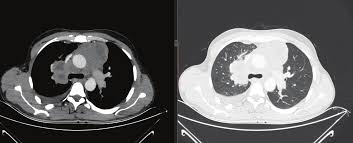
A mediastinal mass develops in the central chest. Some are found incidentally, while others affect nearby structures, including the heart and major blood vessels. Assessment and treatment depend on the specific diagnosis.
Mediastinal masses develop in the central compartment of the chest, between the lungs. They include benign cysts and several different tumour types. Their closeness to the heart, major blood vessels and airways means that careful diagnosis is important. Treatment depends on the specific diagnosis, stage, symptoms and the patient's general health.
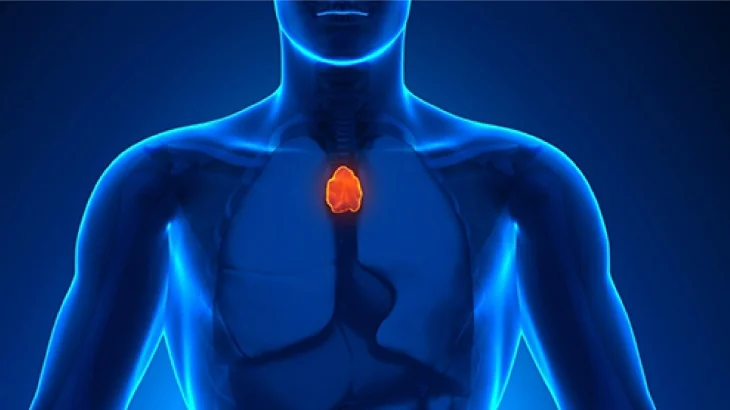
The mediastinum is the central compartment of the chest containing the heart, major blood vessels, windpipe, oesophagus, lymph nodes, nerves and thymus. Mediastinal widening is an imaging finding that can have several causes, including enlargement of these structures or an abnormal mass. The cause may be benign or malignant, and further assessment determines what treatment, if any, is needed.
The mediastinum is the central region of the chest between the lungs. It contains the heart, major vessels, airways, oesophagus, lymph nodes and nerves. The precise boundaries of its compartments depend on the anatomical system used. Conditions in this region can cause breathlessness, chest pain or difficulty swallowing.