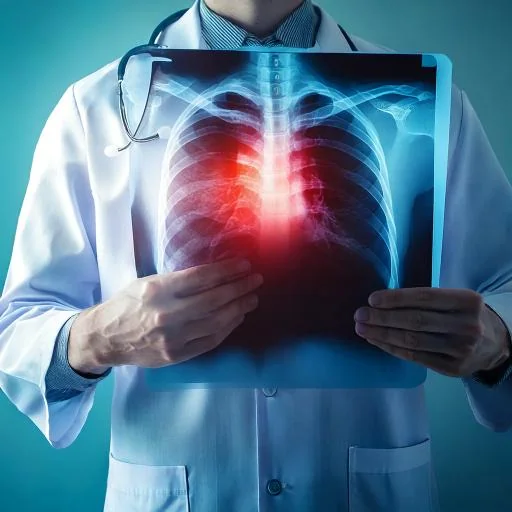
Can Lung Cancer Be Treated When You Have Lung Fibrosis?
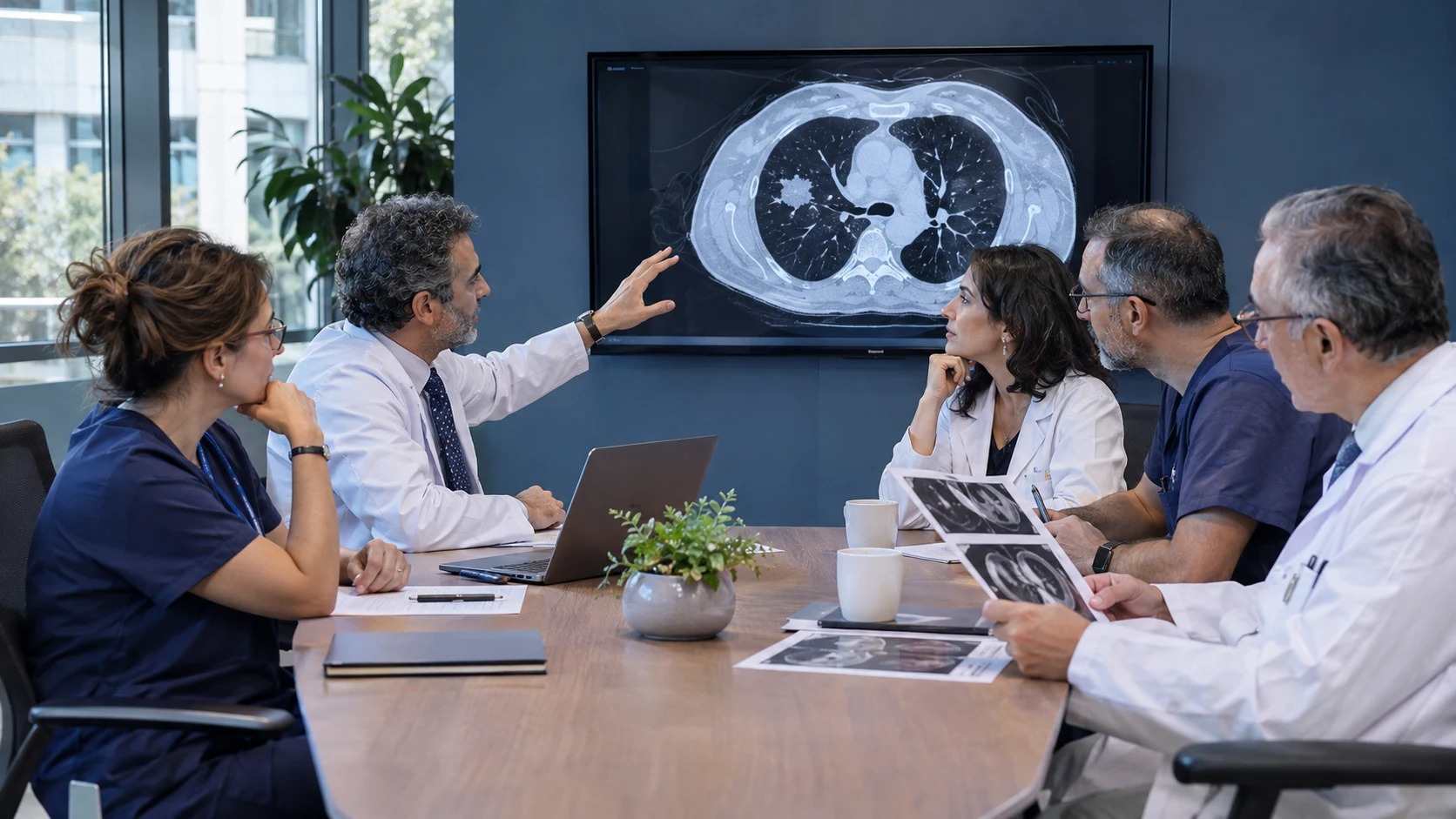
How does lung fibrosis affect cancer treatment? Understanding assessment, tumour board discussion and individual treatment options.

Articles about lung cancer symptoms, staging, surgery and other treatment approaches.
How does lung fibrosis affect cancer treatment? Understanding assessment, tumour board discussion and individual treatment options.
A study I co-authored explores what pathology findings after early-stage lung cancer surgery may mean.
Our study of 480 patients explores what STAS in a pathology report may mean for assessment, treatment discussions and follow-up after lung cancer surgery.
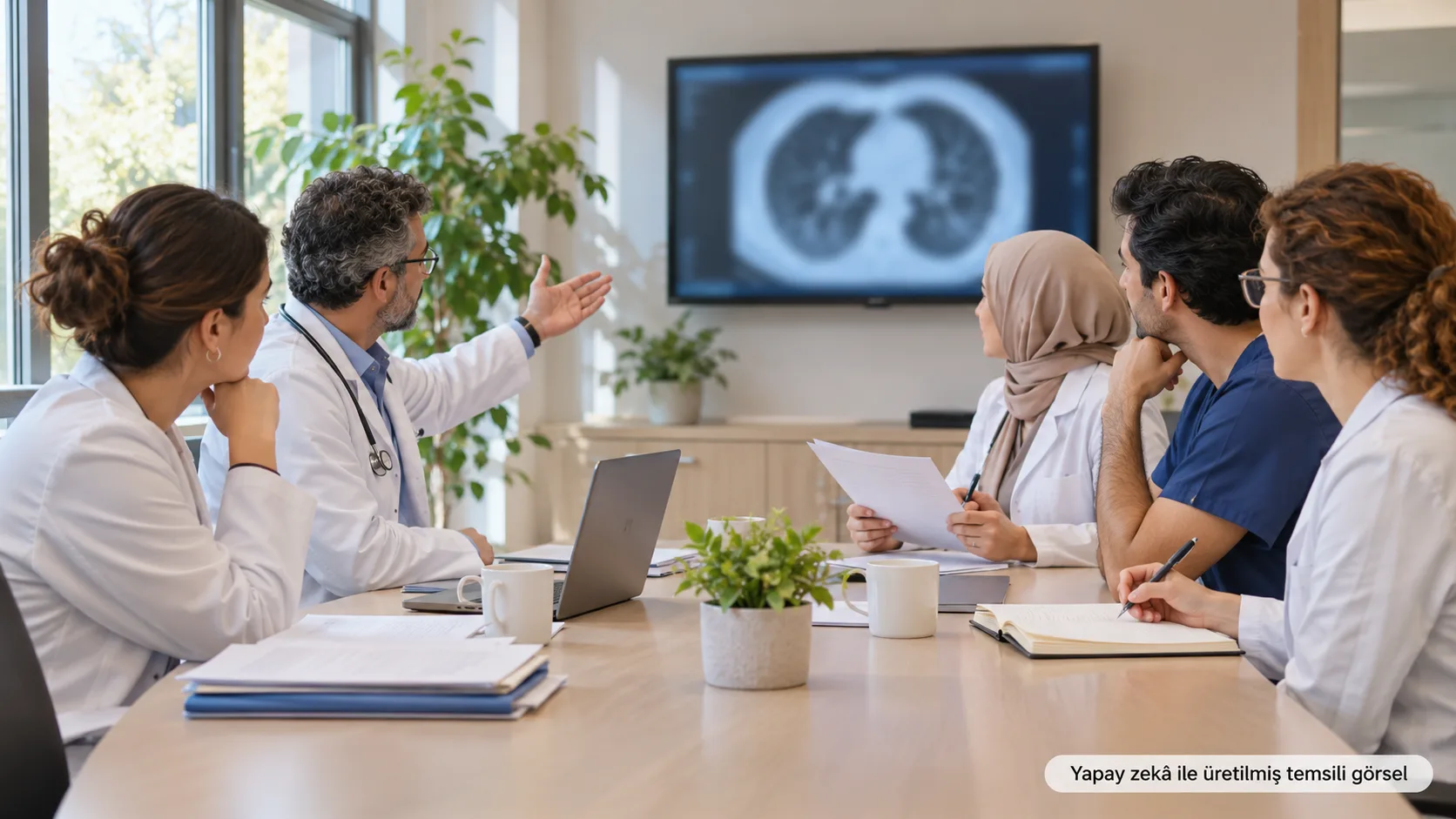
How are surgery, medicines and radiotherapy planned for lung cancer? I explain the multidisciplinary approach at the two Istanbul hospitals where I work.
Lung cancer remains a major global health challenge and an important focus of medical research. Advances in oncology mean that some patients can achieve long-term control, while early-stage disease may be curable. Treatment increasingly combines molecular information with the patient's clinical needs to build an individual plan…
Lung Cancer Symptoms: When Should You See a Doctor? — Information about assessment, treatment and individual follow-up.
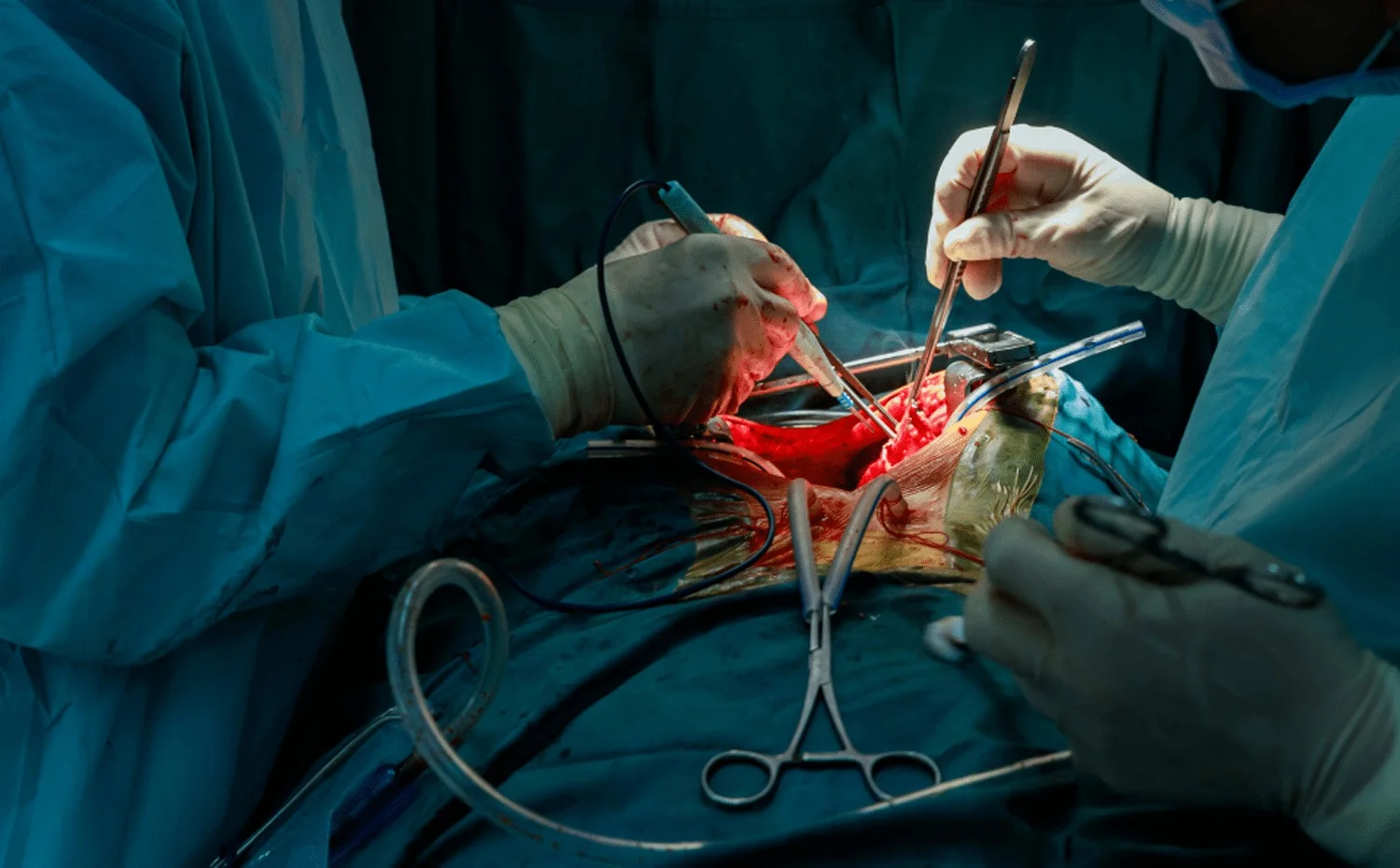
Lung cancer remains a major health concern worldwide. For many patients, surgery offers the hope of removing the disease completely. In early-stage disease, surgery is an important treatment with the potential for cure. The journey involves careful preparation, the operation itself and a structured recovery programme.
Surgery plays an important role in lung cancer treatment. Advances in minimally invasive techniques and lung-preserving operations can support recovery and quality of life in suitable patients. This article explains five approaches, how they are performed and their potential benefits and limitations.
A lung cancer diagnosis can mark a turning point for patients and families. Advances in medicine offer treatment options, particularly when the disease is identified before distant spread. Stage 2 lung cancer can often be treated with a combination of surgery and other therapies tailored to the individual.
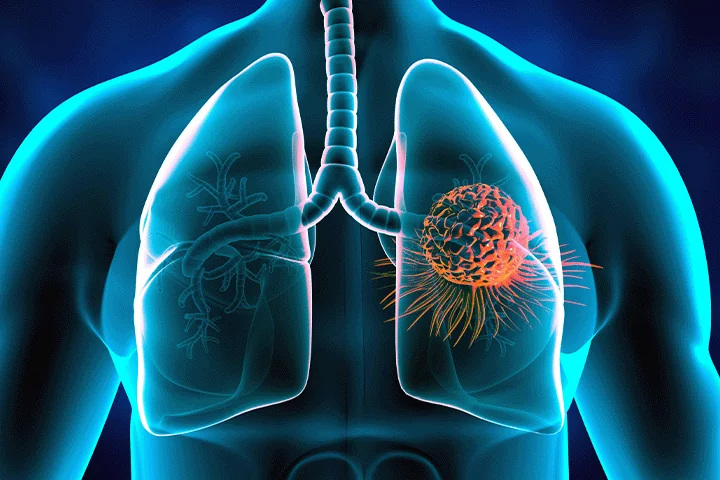
Lung cancer is among the most common and serious cancers worldwide. Smoking, air pollution, inherited susceptibility and harmful chemical exposures can contribute to its development. Treatment depends on the stage, cancer type and general health and may include surgery, medicines or radiotherapy.
Lung cancer is one of the world's most common cancers and a leading cause of cancer-related death. Smoking, inherited susceptibility, air pollution and radon exposure all contribute to its development. Early diagnosis is critical to improving treatment outcomes, although the disease often does not cause clear symptoms until it is advanced…
Lung cancer diagnosed early can often be treated with the aim of cure. Stage 1 is an early stage with generally favourable treatment prospects. Patients and families often ask whether chemotherapy is needed. This article explains surgery, additional treatments and the factors that influence the decision.
Lung cancer can spread to other organs, including the brain. This article explains how brain metastases develop, the possible symptoms, treatment options and the factors that influence outlook.
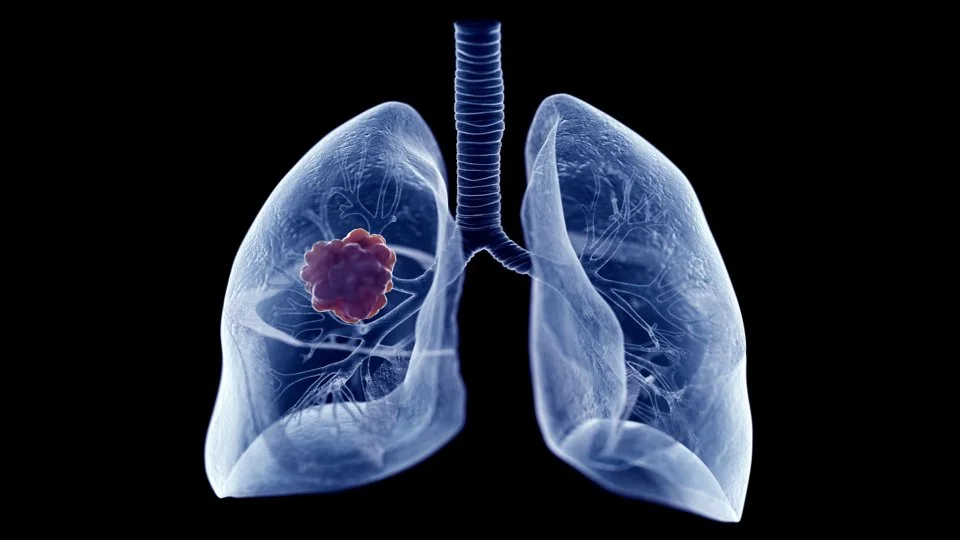
A lung mass is an abnormal area that needs investigation. A 6 cm mass is large and raises concern for cancer, but size alone cannot confirm the diagnosis or establish the full stage. This article explains the tests and treatment considerations.
Lung carcinomas develop when malignant epithelial cells in the lung grow uncontrollably. They account for the great majority of lung cancers and have several subtypes. This article explains their symptoms, diagnosis and treatment options.
Lung cancer is staged to describe its extent, but there is no medical stage called stage 5. The most advanced numbered stage is stage 4. This article explains advanced lung cancer, treatment options and supportive care.
Lung cancer is one of the most common cancers worldwide and a leading cause of cancer deaths. What causes it, and which factors increase the risk? This article explains the main exposures and risk factors, including tobacco smoke, environmental and occupational exposures, family history and other health conditions.