
Lung cancer is one of the most common cancers worldwide and a leading cause of cancer deaths. What causes lung cancer? Which factors increase the chance of developing it?
Related videos and posts
The linked Instagram content is in Turkish.
For the broader clinical context, see Lung Cancer: Symptoms, Treatment and Surgery.
This article looks at the main causes and risk factors for lung cancer, while distinguishing established risks from claims that are not supported by evidence.
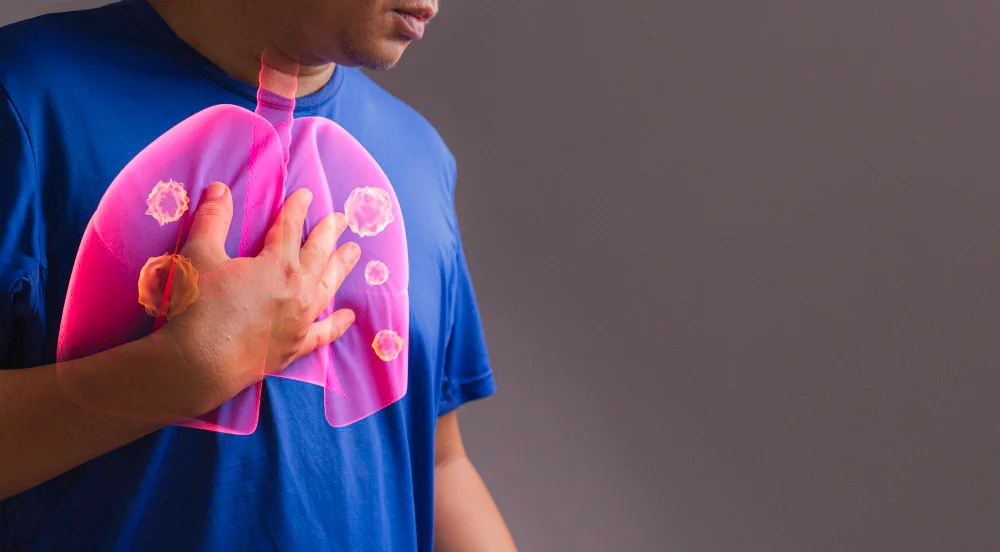
Lung Cancer
- 1. Smoking and Tobacco Products
- 2. Air Pollution and Harmful Gases
- 3. Asbestos and Chemicals
- 4. Genetic Susceptibility and Family History
- 5. Immune Problems and Chronic Illness
- 6. Diet and Lifestyle
- 7. Radiation and Electromagnetic Fields
- What Can You Do to Reduce Your Lung Cancer Risk?
1. Smoking and Tobacco Products
How Does Smoking Cause Lung Cancer?
Smoking is the leading cause of lung cancer. A large proportion of lung cancer cases are linked to tobacco, although the proportion varies between countries and populations.
Tobacco smoke contains more than 7,000 chemicals, including at least 70 known to cause cancer. These substances can damage lung-cell DNA, contributing to mutations and uncontrolled cell growth.
Second-Hand Smoke
Even if you do not smoke, breathing other people's tobacco smoke increases your risk. Among non-smokers, second-hand smoke exposure is associated with an increase in lung cancer risk; estimates of around 20–30% are often reported. This does not mean that passive and active smoking carry equal risks.
Electronic Cigarettes and Waterpipes
- Electronic cigarette aerosol is not harmless and can contain toxic substances. Their long-term effects, including the exact lung cancer risk, are still being studied; they should not be described as a proven safe alternative or as having the same established cancer risk as cigarettes.
- Waterpipe tobacco smoke also contains harmful and cancer-causing substances. Water does not make this exposure safe.
2. Air Pollution and Harmful Gases
Although it is less widely recognised than smoking, outdoor air pollution is an established lung cancer risk.
Air Pollution and Exhaust Fumes
- Exhaust fumes, industrial emissions and smoke from burning coal may contain harmful particles, including PM2.5 and PM10, and other cancer-causing substances.
- Lung cancer risk rises with certain long-term pollution exposures. There is no single percentage that applies to everyone, because concentrations, exposure duration and individual circumstances differ.
Radon Gas
- Radon is a naturally occurring, colourless and odourless radioactive gas released from soil and rocks.
- It can accumulate indoors and be inhaled.
- It is an important cause of lung cancer, including in people who have never smoked.
Special testing devices can measure radon levels in the home.
3. Asbestos and Chemicals
Asbestos and certain occupational chemicals are important lung cancer risk factors.
What Is Asbestos?
- Asbestos refers to mineral fibres historically used in construction, shipbuilding and industry.
- Inhaled fibres can increase the risk of lung cancer and mesothelioma, a cancer often arising in the lining around the lungs.
Other Cancer-Causing Chemicals
- Occupational exposure to arsenic and certain chromium or nickel compounds, among other agents, can increase lung cancer risk. Different chemicals cause different cancers; benzene, for example, is chiefly linked to blood cancers and should not be presented as an equivalent established lung carcinogen.
- Risks from pesticides, paints and other workplace products depend on the specific substance and exposure. They cannot all be assigned the same cancer risk.
If you work with hazardous materials, appropriate exposure controls and protective equipment are important. A simple mask is not a substitute for proper occupational safety measures.
4. Genetic Susceptibility and Family History
Having a family history of lung cancer may increase your risk. Shared exposures, including smoking, can also contribute to this association.
The Role of Genetic Factors
- Changes involving EGFR, ALK and KRAS are often found in lung cancer cells and help guide treatment. Most are acquired changes in the tumour, not inherited susceptibility variants.
- Family history may increase relative risk, but this does not mean that a person's absolute chance of lung cancer reaches 50%.
- Testing a diagnosed tumour can identify treatment-relevant molecular changes. Routine genetic testing is not a general early-detection test for everyone with a family history; suspected inherited syndromes need individual assessment.
People who have never smoked but have a family history should discuss their individual risk with a clinician. Family history alone does not automatically establish eligibility for regular low-dose CT screening.
5. Immune Problems and Chronic Illness
The immune system has a role in controlling abnormal cells, but lung cancer risk cannot be reduced to whether someone's immunity is simply “strong” or “weak”. Certain chronic conditions and their associated exposures are linked to increased risk.
Chronic Conditions and Lung Cancer Risk
Examples include:
- COPD (chronic obstructive pulmonary disease).
- Tuberculosis, particularly where previous inflammation or scarring is relevant.
- Pulmonary fibrosis.
These conditions may be associated with lung tissue damage or other risk factors. Their presence does not mean that cancer will develop, but new or changing symptoms warrant assessment.
6. Diet and Lifestyle
Diet and Cancer Risk
- Diets high in processed foods may be less balanced, but it is inaccurate to label every food additive a proven lung carcinogen.
- Frequent fast food or very fatty meals can contribute to an unhealthy overall diet; this is not the same as a proven direct “weakening” of immunity that causes lung cancer.
- High consumption of red or processed meat has been linked to certain cancers. These associations should not be confused with the much stronger established role of smoking in lung cancer.
Healthy Eating and Prevention
- Eat a varied diet with vegetables and fruit, such as broccoli, carrots and tomatoes. No food or antioxidant guarantees protection against lung cancer.
- Stay appropriately hydrated and exercise regularly, within the limits of your health and medical advice.
7. Radiation and Electromagnetic Fields
- Exposure to ionising radiation, including radiotherapy to the chest, can increase the risk of another cancer later in life. When radiotherapy is recommended, its expected treatment benefit is weighed against possible long-term harms.
- Mobile phones and Wi-Fi use non-ionising radiation. They are not established causes of lung cancer. Their signals should not be equated with the ionising radiation used in radiotherapy or emitted by radon.
What Can You Do to Reduce Your Lung Cancer Risk?
| Action | Possible benefit |
|---|---|
| Avoid tobacco and stop smoking if you smoke | This is the most important preventable step; risk decreases after quitting, but there is no universal immediate 90% reduction. |
| Reduce harmful air pollution exposure where possible | Helps protect lung health. |
| Test your home for radon when appropriate | Allows excessive indoor radon exposure to be identified and reduced. |
| Eat a balanced diet | Supports general health; it does not provide guaranteed cancer protection. |
| Exercise regularly | Supports fitness and overall health. |
| Control workplace chemical exposures | Reduces contact with asbestos and other hazardous agents. |
| Discuss your family history with a clinician | Helps assess individual risk and whether any further evaluation is appropriate. |
Lung cancer risk is influenced by several factors. Reducing tobacco smoke, pollution, radon and harmful workplace exposures, while discussing individual risk factors with your clinician, can help reduce risk. For more information, you can get in touch.
Sources and further reading
These resources provide general background on this topic; they do not replace an individual medical assessment.