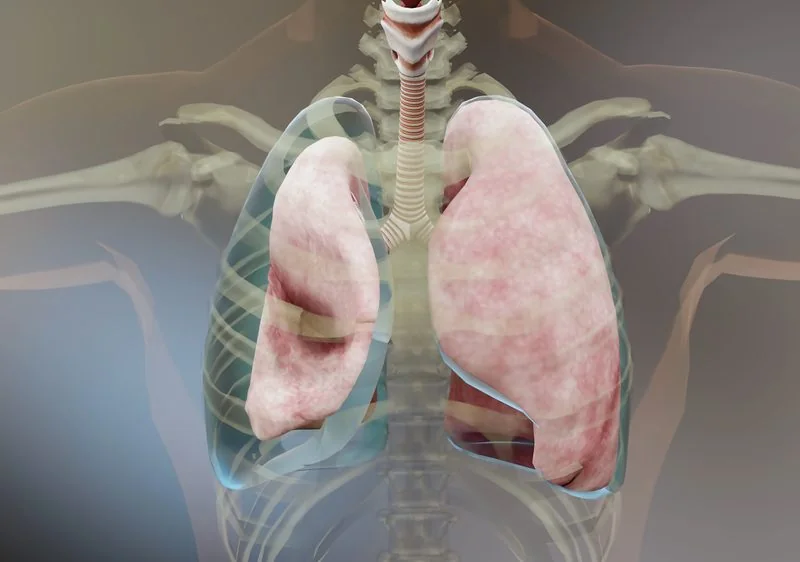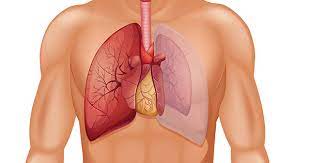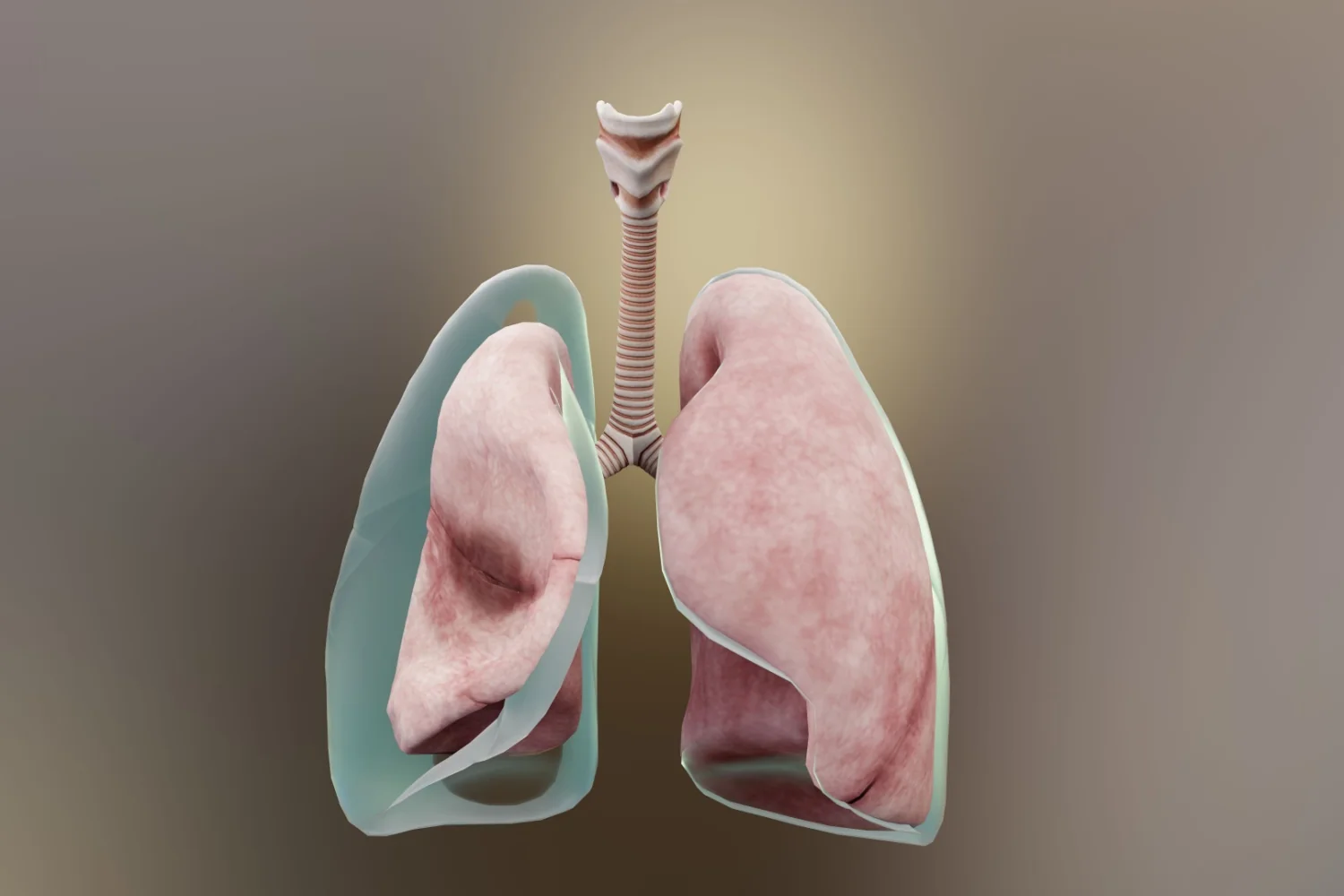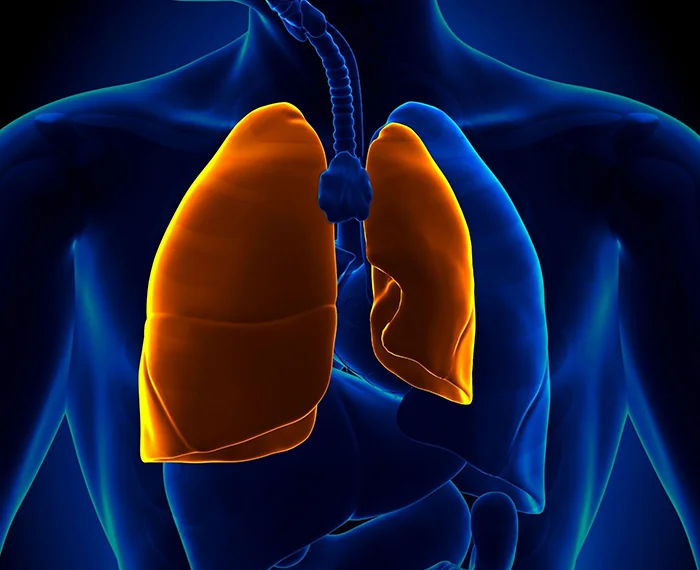
Can a collapsed lung happen again? When is surgery considered?
Recurrence risk and surgical decisions after a collapsed lung depend on symptoms, air leakage, previous episodes and the individual patient’s priorities.

Articles about diagnosis, treatment, surgery and recovery after a collapsed lung.
Recurrence risk and surgical decisions after a collapsed lung depend on symptoms, air leakage, previous episodes and the individual patient’s priorities.
Pneumothorax occurs when air enters the space between the lung and chest wall and can cause sudden pain and breathlessness. Learn about its causes, treatment and practical precautions, including stopping smoking. General healthy habits do not all have a proven direct effect on pneumothorax risk.
Pneumothorax, often called a collapsed lung, can unexpectedly affect otherwise healthy young people. Air collects around the lung and may cause sudden chest pain or breathlessness. Understanding risk factors and symptoms helps people seek appropriate care.
A pneumothorax is air collecting around the lung and causing it to collapse partly or completely. Recovery depends on the cause and treatment. Once the clinical team confirms that exercise is appropriate, selected breathing techniques can support comfortable breathing, lung expansion and airway clearance.
Pneumothorax, often called a collapsed lung, develops when air enters the space between the lung and chest wall. Treatment depends on symptoms, clinical stability and underlying lung disease. This article explains five approaches that may be considered after specialist assessment.
Pneumothorax, commonly called a collapsed lung, occurs when air collects between the lung and chest wall, causing part or all of the lung to collapse. Sudden chest pain and breathlessness may require urgent treatment. Surgery is considered particularly for recurrent cases or when non-surgical measures are insufficient…
Pneumothorax affects lung function and needs careful assessment, particularly when planning a return to an active lifestyle. Chest injuries and changes in air pressure can create specific risks, but ordinary exercise is not an established cause of every spontaneous pneumothorax. This article explains eight precautions, treatment and an individual approach to returning to sport.
Pneumothorax, often called a collapsed lung, occurs when air collects between the lung and chest wall. Recovery involves both medical treatment and everyday habits. An individual plan can support a safe return to activity and help patients understand recurrence, warning symptoms and follow-up.
Pneumothorax occurs when air enters the space between the lung and chest wall, causing part or all of the lung to collapse. Early assessment is important. This article describes four diagnostic methods, their advantages and limitations.