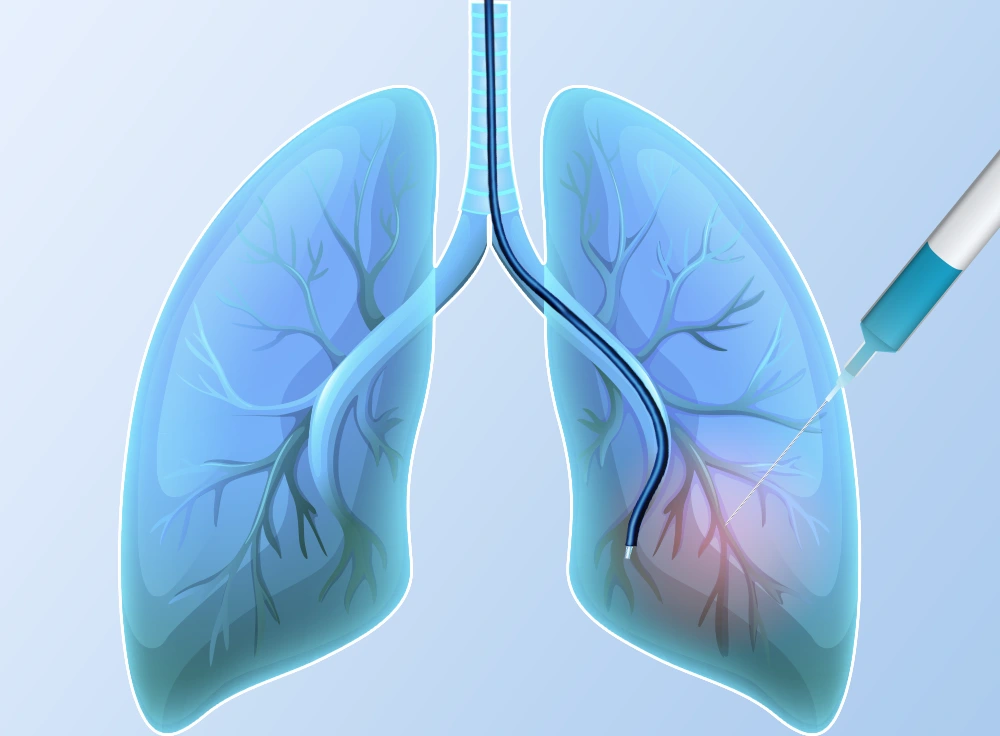
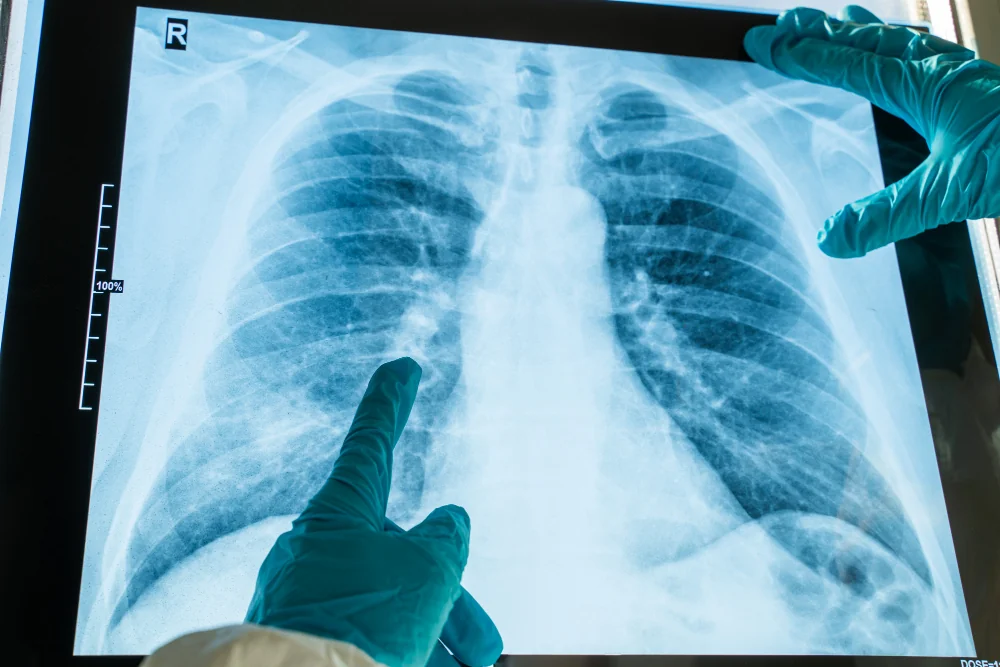
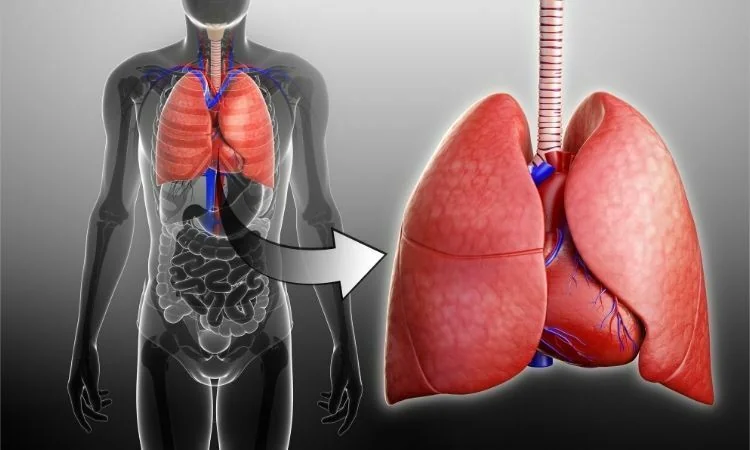
An open lung biopsy is an operation used to examine abnormal lung tissue or a lesion. It may be considered when other diagnostic methods have not provided a clear answer and tissue findings are likely to influence treatment. It can help assess cancer, infection, inflammation and other lung diseases. Although more invasive than needle or bronchoscopic sampling, surgical biopsy is sometimes needed to obtain enough suitable tissue for diagnosis and treatment planning.
Related videos and posts
The linked Instagram content is in Turkish.
For the broader clinical context, see Lung Nodule Follow-up and Surgery.
What Is an Open Lung Biopsy?
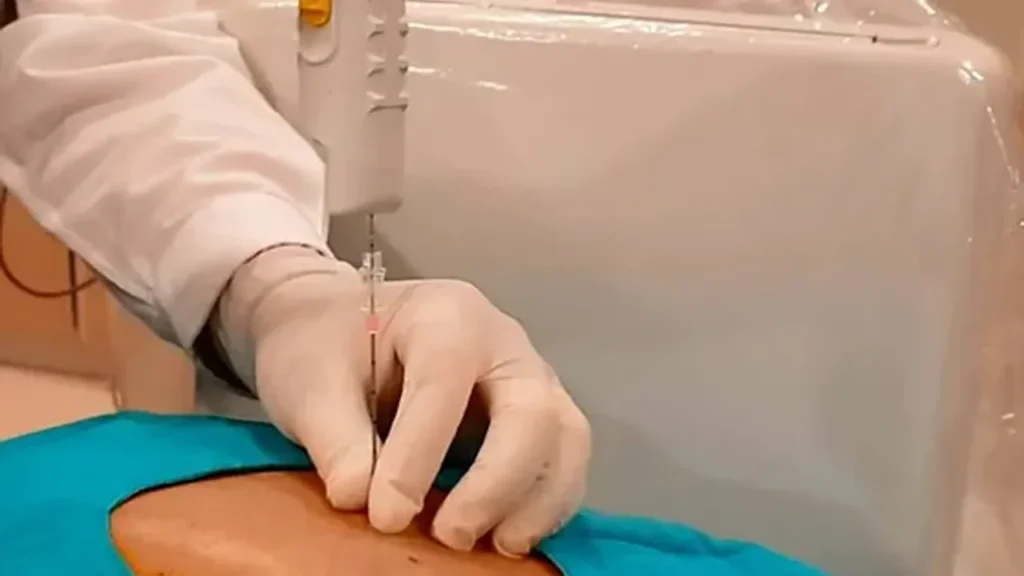
The surgeon obtains tissue through an incision in the chest wall, directly accessing the lung. This approach may be useful when a larger sample is needed or other biopsy methods have not established a diagnosis. Open surgical lung biopsy is generally performed under general anaesthesia. Local-anaesthetic needle biopsy and VATS biopsy are distinct approaches, not simply other names for an open biopsy.
How Is an Open Lung Biopsy Performed?
The usual steps include:
Preparation and anaesthesia: The patient is prepared under general anaesthesia, positioned for access to the chest and the skin is cleaned.
Making the incision: The surgeon makes an incision to reach the area to be sampled. Its length depends on the location and planned approach; it is not the same for every patient.
Accessing the lung: After entering the chest, the surgeon identifies the most suitable part of the lung for sampling.
Taking the tissue sample: A sample is removed and sent to the laboratory for pathological examination.
Completing the operation: The surgeon checks for bleeding and air leaks, usually places a chest drain as needed and closes the incision. Monitoring continues after anaesthesia.
Monitoring and recovery: A hospital stay of several days is often required. Recovery depends on general health, the underlying lung disease and the extent of the procedure.
When Might an Open Lung Biopsy Be Considered?
Possible reasons include:
Uncertainty after other tests: If imaging or less invasive sampling does not establish the diagnosis, surgical biopsy may be considered. Needle biopsy is itself invasive, although less invasive than open surgery.
Masses or suspicious lesions: A mass may need tissue sampling to distinguish cancer, infection or another condition. A surgical approach may be needed when less invasive access is unsuitable or inconclusive.
Suspected lung cancer: Tissue may be required when cancer is suspected and other investigations have not given a definitive result.
Inflammatory conditions: Selected cases of sarcoidosis or interstitial lung disease may need surgical tissue sampling after specialist assessment.
Infections: Biopsy may help identify the cause of an unresolved infection, including tuberculosis or fungal disease.
Lung fibrosis: Tissue may help assess some forms of scarring. Not all fibrosis requires biopsy; imaging, risks and the likely effect on treatment are considered first.
Potential Benefits of an Open Lung Biopsy
When less invasive methods are insufficient, potential benefits include:
- Diagnostic information: The sample may establish a diagnosis that other methods have not provided, although no biopsy guarantees a conclusive result.
- A larger tissue sample: Compared with many needle biopsies, surgical sampling can provide more tissue for detailed pathological examination.
- Assessment of complex cases: It may allow sampling of disease that is difficult to assess by other routes.
Complications of an Open Lung Biopsy
Because this is an invasive operation, possible complications include:
- Bleeding: Injury to blood vessels may cause bleeding. It is often controlled during surgery, but significant bleeding can occur.
- Pneumothorax or persistent air leak: Air may leak from the sampled lung and affect expansion. A chest drain may be needed until the leak settles.
- Infection: The wound or tissues within the chest may become infected.
- Pain: Pain after surgery may be short-lived or persist in some patients.
- Longer recovery: Recovery may take longer than after less invasive biopsy methods, and additional hospital care may be required.
- Breathing difficulty: Lung injury or the underlying disease may cause respiratory problems, including respiratory failure in higher-risk patients.
Care After an Open Lung Biopsy
Patients are monitored initially in the recovery area and then on the ward, with continued assessment over the hospital stay. Pain relief, fluids and respiratory support are provided as needed. The team checks for complications such as air leakage or incomplete lung expansion. Rest is balanced with gentle mobilisation and breathing exercises; strenuous activity and heavy lifting are restricted according to the surgeon’s advice.
Sources and further reading
These resources provide general background on this topic; they do not replace an individual medical assessment.